FORECAST: Innovazione e resilienza per la salvaguardia dei sistemi agroforestali dell’area mediterranea
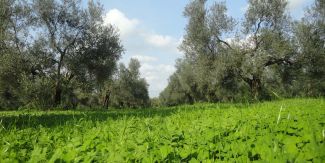
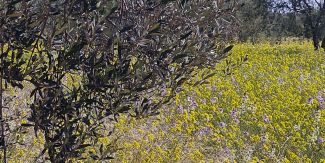
(English below) I sistemi agroforestali integrano alberi da frutto, specie forestali, colture annuali e applicazioni zootecniche, promuovendo interazioni ecologiche, con benefici socio-economici e ambientali. Questi sistemi multifunzionali non sfuggono all’impatto deleterio del cambiamento climatico e necessitano di attenta progettazione, su base scientifica, per garantire alternative ad elevata sostenibilità e resilienza.
In questo contesto, si colloca il progetto FORECAST (Fostering Resilient Agroforestry Systems with Climate-Ready Tree and Herbaceous Gerplasm) finanziato dal Programma H2020 - PRIMA (Partnership for Research and Innovation in the Mediterranean Area) e coordinato dalla Prof.ssa Alma Balestrazzi (Dipartimento di Biologia e Biotecnologie “L. Spallanzani” - Università di Pavia).
Il Consorzio FORECAST è costituito da 10 partner e riunisce ricercatori provenienti da università, istituti di ricerca, aziende private e organizzazioni no-profit situati in Italia, Francia, Portogallo, Tunisia e Algeria. Le innumerevoli competenze del Consorzio (scienze forestali, agricoltura di precisione, tecnologia sementiera, scienze biomolecolari vegetali, chimica-fisica, e scienze socio-economiche) garantiscono un approccio fortemente multidisciplinare del progetto.
Il team UniPv riunisce expertise di fisiologia del seme (Prof.ssa Anca Macovei), biotecnologie microbiche (Prof.ssa Cinzia Calvio) del Dipartimento di Biologia e Biotecnologie “L. Spallanzani” e di chimica dei radicali (Prof. Daniele Dondi - Dipartimento di Chimica).
FORECAST svilupperà soluzioni innovative derivate dalla fusione di tecnologie avanzate e conoscenza del territorio, e le implementerà attraverso approcci di gestione proattiva (participatory agroforestry, multi-actor approach). Punto di forza è l’idea di rivitalizzare i sistemi agroforestali con l’introduzione di specie leguminose neglette (orphan legumes), dotate di elevata resilienza e valore nutrizionale. In parallelo, sarà svolta un’intensa attività di valorizzazione di nuove varietà annuali e perenni custodite presso le collezioni di germoplasma dei partner, per individuare il materiale genetico più resiliente.
Le soluzioni tecnologiche sviluppate da FORECAST sono destinate ad aumentare in modo significativo la produttività del settore agroforestale su entrambi i versanti del Mediterraneo, Europeo e Nord-Africano.
Il prodotto finale di FORECAST sarà un toolkit (risorse genetiche, pratiche agricole, strumenti di supporto alle attività decisionali) con caratteristiche specifiche per le differenti aree geografiche e socio-economiche.
Sono previste iniziative destinate a valorizzare il ruolo della componente femminile a tutti i livelli, per garantire pari opportunità ed inclusività nel settore agroforestale.
Il progetto, che durerà tre anni, è stato avviato il 1° luglio 2025 mentre il Kick-Off Meeting si svolgerà nei giorni 29 e 30 settembre 2025, presso il Collegio Nuovo di Pavia. Un’occasione di incontro e di confronto tra realtà diverse ma accomunate dalla necessità di trovare una risposta efficace al cambiamento climatico.
FORECAST: Innovation and resilience for safeguarding agroforestry systems in the Mediterranean Area
Agroforestry systems integrate fruit trees, forest species, annual species and zootechnical applications, promoting ecological interactions, with socio-economic and environmental benefits. These multi-functional sysyems do not escape from the deleterious impact of climate change and they need careful planning, on scientific bases, to ensure highly sustainable and resilient alternatives.
In this context acts the FORECAST project (Fostering Resilient Agroforestry Systems with Climate-Ready Tree and Herbaceous Gerplasm) (website in progress), funded by the Programme H2020 - PRIMA (Partnership for Research and Innovation in the Mediterranean Area) and coordinated by Prof. Alma Balestrazzi (Department of Biology and Biotechnology “L. Spllanzani - University of Pavia).
The FORECAST Consortium includes 10 Partners, with researchers from universities, research institutes, private companies and no-profit organization located in Italy, France, Portugal, Tunisia and Algeria. The many experties of the Consortium (forest science, precision agriculture, seed technology, plant biomolecular sciences, physical chemistry, and socio-economic sciences) ensure the strong multidisciplinarity approach of the project.
The UniPv team brings expertise in seed physiology (Prof. Anca Macovei), microbial biotechnology (Prof. Cinzia Calvio) from the Department of Biology and Biotechnology “L. Spallanzani”, and expertise in radical chemistry (Prof. Daniele Dondi - Department of Chemistry).
FORECAST will develop innovative solutions by merging advanced technologies and local knowledge, that will be implemented through approaches of proactive management ((participatory agroforestry, multi-actor approach). The project relies on the idea of revitalizing the agroforestry systems by introducing neglected legume species (orphan legumes), known for their high climate-resilience and nutritional value. In parallel, there will be an intense activity for the valorization of novel annual and perennial varieties available from the Partners’ germplasm collections, in order to select the most resilient genetic material.
The FORECAST technological solutions will significantly increase the productivity of the agroforestry sector on both sides of the Mediterranean area (Europe and North-Africa).
The final product delivered by FORECAST will be a toolkit (genetic resources, farming practices, toos for supporting decision-making), with features specifically defined for the different geographic ad socio-economic areas. Activities include initiatives for valorizing the role of female components, at all levels, to ensure equal opportunities and inclusivity in the agroforestry sector.
This three-year project has started on July 1st, 2025 whereas the Kick-Off Meeting will be held on September 29th-30th, 2025, at the Collegio Nuovo in Pavia. An opportunity bringing together different realities, all of them sharing the need to find out an effective response to climate change.