


Dalla mobilità Erasmus al campus europeo digitale: il ruolo di UniPv nel futuro dell’università europea
(English below) Come sarà l’Erasmus del futuro? Più digitale, interoperabile, integrato e sempre meno frammentato. Uno spazio europeo in cui studenti, docenti e staff possano muoversi tra università diverse con procedure semplificate, dati condivisi, riconoscimento automatico delle attività e accesso a servizi digitali comuni.
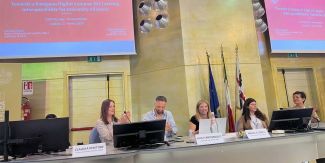
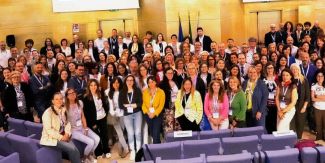
È proprio su questi temi che l’Università di Pavia è stata tra i protagonisti della seconda edizione degli ESCI Days Italy, l’evento nazionale dedicato alla European Student Card Initiative (ESCI), promosso dall’Agenzia Erasmus+ INDIRE e ospitato dall’Università degli Studi di Cagliari il 13 e 14 maggio 2026.
Pavia verso l’European Digital Campus
A rappresentare UniPv sono stati la prof.ssa Elisabetta Rocca, Delegata del Rettore per gli Affari Internazionali in Europa, Michela Cobelli, Head of the International Mobility Office e Luigi Santangelo, Digital Officer dell’Ateneo, con un intervento dedicato al ruolo delle Alleanze Universitarie Europee come laboratorio avanzato di interoperabilità digitale e trasformazione dei processi Erasmus+.
L’esperienza dell’Università di Pavia all’interno di EC2U Alliance è stata presentata come un caso concreto di evoluzione verso un vero “European Digital Campus”: un ecosistema in cui mobilità, servizi, identità digitali, riconoscimento accademico e dati possano dialogare in modo sempre più integrato tra più università europee. Dietro termini tecnici come interoperabilità o digitalizzazione si nasconde infatti una trasformazione molto concreta dell’esperienza degli studenti: meno documenti duplicati, procedure più fluide, accesso semplificato ai servizi universitari, maggiore trasparenza nel riconoscimento delle attività svolte all’estero e percorsi internazionali sempre più integrati.
Non è un caso che l’Università di Pavia sia oggi uno degli atenei europei più attivi su questi temi.
UniPv coordina infatti il work package dedicato alla digitalizzazione all’interno dell’alleanza EC2U e, soprattutto, è stata selezionata dalla Commissione Europea tra gli ESCI Champions 2025–2027, network che riunisce le istituzioni europee più avanzate nell’implementazione dell’ecosistema digitale Erasmus+. Attualmente, l’Università di Pavia è l’unico ateneo italiano presente in questa iniziativa.
European Student Card per tutti
Nel corso degli ESCI Days è emerso con forza come la prossima programmazione Erasmus+ 2028–2034 punterà sempre di più sull’integrazione tra digitalizzazione della mobilità, European University Alliances ed European Degree. In questo scenario, strumenti come la European Student Card, Erasmus Without Paper e le identità digitali europee saranno sempre più centrali per costruire una mobilità internazionale più semplice, accessibile e realmente europea.
Un elemento centrale di questa trasformazione è la European Student Card, la carta digitale europea dello studente, che mira a rendere più semplice il riconoscimento dello status di studente universitario in mobilità e l’accesso ai servizi offerti dagli atenei europei. A partire dall’anno accademico 2026-27, anche grazie all’implementazione da parte di CINECA, il rilascio della European Student Card sarà previsto per tutti gli studenti al momento dell’immatricolazione, rafforzando ulteriormente l’integrazione tra sistemi nazionali e infrastrutture europee.
Su questa base, la Commissione Europea sta lavorando alla costruzione di un catalogo comune di servizi accessibili agli studenti iscritti nelle università europee: biblioteche, spazi, strumenti digitali, attività e opportunità che potranno essere progressivamente riconosciuti e utilizzati in modo più fluido anche durante la mobilità internazionale. In prospettiva, la Card potrà quindi diventare non solo uno strumento identificativo, ma una vera chiave di accesso al futuro campus europeo digitale.
Pavia protagonista della trasformazione digitale
Grazie alla stretta collaborazione costruita negli anni con la Commissione Europea e con il team ESCI - coordinato da Alexandra Licht - l’Università di Pavia continuerà a contribuire attivamente a questa evoluzione. Il prossimo appuntamento sarà l’“European Student Card Initiative: Shaping Student Mobility Beyond 2027” in programma l’11 e 12 giugno a Bruxelles, dedicato al futuro della mobilità studentesca europea oltre il 2027. Non si tratta di una semplice digitalizzazione amministrativa, ma di una trasformazione profonda del modo in cui le università europee cooperano tra loro. UniPv è oggi tra gli atenei protagonisti di questo processo, che contribuiscono attivamente a disegnare questa nuova infrastruttura europea dell’istruzione superiore.
Per approfondire
Se vuoi saperne di più sugli ESCI Days, visita il sito Erasmus+.
***
From Erasmus Mobility to the European Digital Campus: how UniPv contributes to shape the Future of the European University
What will the Erasmus programme of the future look like? More digital, interoperable, integrated, and increasingly less fragmented. A European space in which students, academics, and staff can move across different universities through simplified procedures, shared data, automatic recognition of activities, and access to common digital services.
These were precisely the themes at the centre of the second edition of ESCI Days Italy, the national event dedicated to the European Student Card Initiative (ESCI), promoted by the Erasmus+ National Agency INDIRE and hosted by the University of Cagliari on 13–14 May 2026, where the University of Pavia played a leading role.
Pavia Towards the European Digital Campus
Representing UNIPV were Professor Elisabetta Rocca, Rector’s Delegate for International Affairs in Europe, Michela Cobelli, Head of the International Mobility Office, and Luigi Santangelo, the University’s Digital Officer, who delivered a presentation focused on the role of the European University Alliances as advanced laboratories for digital interoperability and the transformation of Erasmus+ processes.
The experience of the University of Pavia within the EC2U Alliance was presented as a concrete example of the evolution towards a true “European Digital Campus”: an ecosystem in which mobility, services, digital identities, academic recognition, and data can interact in an increasingly integrated way across multiple European universities.
Behind technical terms such as interoperability and digitalisation lies a very tangible transformation of the student experience: fewer duplicated documents, smoother procedures, simplified access to university services, greater transparency in the recognition of activities carried out abroad, and increasingly integrated international pathways.
It is no coincidence that the University of Pavia is today one of the most active European universities in this field. UNIPV coordinates the work package dedicated to digitalisation within the EC2U Alliance and, most importantly, has been selected by the European Commission as one of the ESCI Champions 2025–2027, a network bringing together the most advanced European institutions in the implementation of the Erasmus+ digital ecosystem. At present, the University of Pavia is the only Italian university included in this initiative.
European Student Card for All
During the ESCI Days, it clearly emerged that the next Erasmus+ programme cycle (2028–2034) will increasingly focus on the integration between mobility digitalisation, European University Alliances, and the European Degree. In this context, tools such as the European Student Card, Erasmus Without Paper, and European digital identities will play an increasingly central role in building international mobility that is simpler, more accessible, and truly European.
A key element of this transformation is the European Student Card, designed to simplify the recognition of student status during mobility periods and facilitate access to services offered by European universities. Starting from the academic year 2026–27, also thanks to its implementation by CINECA, the European Student Card will be issued to all students at their enrolment, further strengthening the integration between national systems and European infrastructures.
On this basis, the European Commission is working on the development of a common catalogue of services accessible to students enrolled in European universities: libraries, spaces, digital tools, activities, and opportunities that will progressively be recognised and used more seamlessly during international mobility experiences. In the future, the Card may therefore become not only an identification tool, but a genuine access key to the future European digital campus.
Pavia at the Forefront of Digital Transformation
Thanks to the close collaboration established over the years with the European Commission and the ESCI team - coordinated by Alexandra Licht - the University of Pavia will continue to actively contribute to this evolution. The next major event will be the “European Student Card Initiative: Shaping Student Mobility Beyond 2027”, scheduled to take place in Brussels on 11–12 June, dedicated to the future of European student mobility beyond 2027.
This is not simply an administrative digitalisation process, but a profound transformation in the way European universities cooperate with one another. Today, UNIPV is among the universities leading this process and actively contributing to the design of this new European higher education infrastructure.
More Info Here
If you want to learn more about the ESCI Days initiative, visit the Erasmus+ website.