


Erasmus Generation Meeting 2026: l’Università di Pavia a Spalato per condividere strategie e buone pratiche sulla mobilità internazionale
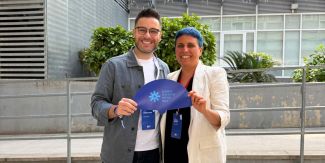
(English below) L’Università di Pavia ha partecipato alla quinta edizione dell’Erasmus Generation Meeting (EGM), la più grande conferenza europea guidata da studenti. L’edizione 2026 si è svolta a Spalato (Croazia) dal 16 al 19 aprile, con la partecipazione di oltre 150 rappresentanti di istituzioni locali, nazionali e internazionali. L’evento ha richiamato più di 1.300 partecipanti, tra studenti, alumni e stakeholder, con il supporto di oltre 150 volontari impegnati nell’organizzazione e nella gestione della conferenza. Quattro giorni dedicati alla Generazione Erasmus, chiamata a dialogare con i principali attori della mobilità internazionale, per contribuire in prima persona al miglioramento dei programmi di scambio nell’istruzione superiore.
“Sviluppo delle competenze attraverso il volontariato e la mobilità guidata dagli studenti” e “Impatto e riconoscimento dell’impegno studentesco” sono le tematiche scelte per questa edizione, cui l’Università di Pavia ha partecipato attivamente condividendo strategie e buone pratiche di collaborazione tra istituzioni e realtà territoriali.
Rappresentata da Chantal Riccardi e Marco Oliva della U.O.C. Mobilità Internazionale con Beatrice Presto (referente di STEP ESN Pavia) l’Università di Pavia ha portato la propria esperienza, con spunti utili a migliorare ulteriormente l’esperienza di mobilità internazionale che ogni anno interessa oltre un milione di studenti di tutta Europa.
Valorizzare collaborazione e mobilità inclusiva
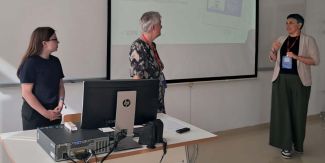
In qualità di Coordinatrice dell’Academic Exchange and Mobility Working Group del Coimbra Group, Chantal Riccardi ha partecipato come speaker alla sessione “Valorisation of the activities and support of local ESN sections through collaboration with IROs”. Con Daniela Sauge (Responsabile dell’Academic Exchange Office dell’Università di Ginevra) e Adéla Wagnerová (Presidente di ESN Charles University Prague), ha presentato alcune best practice di collaborazione tra Università e sezioni locali ESN, favorendo lo scambio per individuare strategie utili a migliorare e rafforzare la collaborazione.
Riccardi ha preso parte anche alla sessione “Mobilità inclusiva per tutti: abbattere le barriere negli scambi internazionali”, dove con Àngel Asins Satorres (Fundacion ONCE) e Pepe Llopis Devesa (Vicepresidente di ESN Spain) ha presentato l’attività svolta nell’ambito del Progetto Erasmus+ KA2 Diversity and Inclusion in Erasmus+ iMplementation (DIEM), cui partecipa l’Università di Pavia.
Un confronto aperto per soluzioni condivise
Marco Oliva ha partecipato come speaker a due sessioni dedicate al ruolo attivo degli studenti e alla promozione di pratiche inclusive nella mobilità internazionale. Insieme a Neli Kalinova Schmieder (Project & Policy Officer presso Erasmus Student Network), ha preso parte all’incontro “Inclusive Universities for Inclusive Mobilities”, incentrato sugli ostacoli che limitano l’accesso ai programmi di mobilità per gli studenti con minori opportunità. Un confronto aperto, volto ad analizzare le barriere economiche, amministrative e sociali che possono emergere nelle diverse fasi dell’esperienza internazionale, condividendo approcci e strategie per rendere i sistemi universitari sempre più inclusivi e accessibili.
Con Zuzana Líšková (Policy Intern per ESN International), ha tenuto la sessione “Students in the Driver’s Seat: Co-Creating Welcome Activities”, incentrata sul coinvolgimento attivo degli studenti nella progettazione delle attività di accoglienza e integrazione. A partire dall’analisi delle diverse fasi del ciclo di mobilità studentesca, gli speaker hanno illustrato strumenti e pratiche utili a rafforzare il senso di appartenenza e a promuovere una maggiore partecipazione degli studenti nei processi decisionali.
La partecipazione dell’Università di Pavia all’Erasmus Generation Meeting 2026 si è riconfermata un’importante occasione di confronto e scambio con partner europei, confermando l’impegno dell’Ateneo nel promuovere una mobilità internazionale più inclusiva, partecipata e attenta alle esigenze degli studenti.
***
Erasmus Generation Meeting 2026: the University of Pavia in Split to share strategies and best practices on international mobility
The University of Pavia took part in the fifth edition of the Erasmus Generation Meeting (EGM), the largest student-led conference in Europe. The 2026 edition took place in Split (Croatia) from 16 to 19 April, bringing together over 150 representatives from local, national, and international institutions. The event welcomed more than 1,300 participants - including students, alumni, and stakeholders - with the support of over 150 volunteers involved in organizing and running the conference. Four days fully dedicated to the Erasmus Generation, engaging in dialogue with key actors in international mobility and actively contributing to the improvement of exchange programmes in higher education.
“Skills development through volunteering and student-led mobility” and “Impact and recognition of student engagement” were the main themes of this edition. The University of Pavia (UNIPV) actively contributed by sharing strategies and best practices in collaboration between institutions and local stakeholders.
Represented by Chantal Riccardi and Marco Oliva from UNIPV’s International Mobility Unit, together with Beatrice Presto (STEP ESN Pavia), the University of Pavia shared its experience, offering insights to further enhance the international mobility experience, which involves over one million students across Europe every year.
Enhancing collaboration and inclusive mobility
As Coordinator of the Academic Exchange and Mobility Working Group of the Coimbra Group, Chantal Riccardi participated as a speaker in the session “Valorisation of the activities and support of local ESN sections through collaboration with IROs.” Together with Daniela Sauge (Head of the Academic Exchange Office at the University of Geneva) and Adéla Wagnerová (President of ESN Charles University Prague), she presented best practices in collaboration between universities and local ESN sections, fostering discussion to identify strategies to strengthen and improve cooperation.
Riccardi also took part in the session “Inclusive mobility for all: breaking down barriers in international exchanges,” where, alongside Àngel Asins Satorres (Fundación ONCE) and Pepe Llopis Devesa (Vice President of ESN Spain), she presented the activities carried out במסגרת the Erasmus+ KA2 project Diversity and Inclusion in Erasmus+ Implementation (DIEM), in which the University of Pavia is involved.
Open discussion on shared solutions
Marco Oliva also participated as a speaker in two sessions focused on the active role of students and the promotion of inclusive practices in international mobility. Together with Neli Kalinova Schmieder (Project & Policy Officer at Erasmus Student Network), he contributed to the session “Inclusive Universities for Inclusive Mobilities,” addressing the barriers that limit access to mobility programmes for students with fewer opportunities. The session provided an open discussion on the economic, administrative, and social obstacles that may arise at different stages of the international experience, while sharing approaches and strategies to make higher education systems more inclusive and accessible.
Together with Zuzana Líšková (Policy Intern at ESN International), he also led the session “Students in the Driver’s Seat: Co-Creating Welcome Activities,” focused on actively involving students in the design of welcome and integration activities. By analysing the different phases of the student mobility cycle, the speakers presented tools and practices aimed at strengthening students’ sense of belonging and encouraging greater participation in decision-making processes.
The University of Pavia’s participation in the Erasmus Generation Meeting 2026 once again proved to be a valuable opportunity for exchange and dialogue with European partners, reaffirming the University’s commitment to promoting a more inclusive, participatory, and student-focused approach to international mobility.