Bias cognitivi, stereotipi, disinformazione e misinformazione: l’EC2U Think Tank per educare allo spirito critico
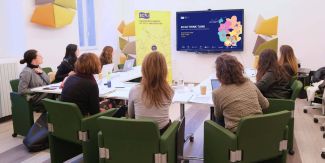
(English below) Viviamo nell’epoca della post-verità. Nel mare magnum di contenuti che fluiscono senza tregua nelle nostre giornate, è divenuto naturale chiedersi cosa sia attendibile e cosa “fake”. Bias cognitivi, stereotipi, disinformazione e misinformazione invadono schermi e percezione della realtà, cambiando la relazione con ciò che accade attorno a noi. Come (ri)costruire punti di riferimento utili a orientarci nell’era digitale? Di questo si è parlato durante l’EC2U Think Tank organizzata martedì 25 novembre 2025 all'Università di Pavia, nell’ambito dell'Alleanza universitaria europea EC2U - European Campus of City-Universities.
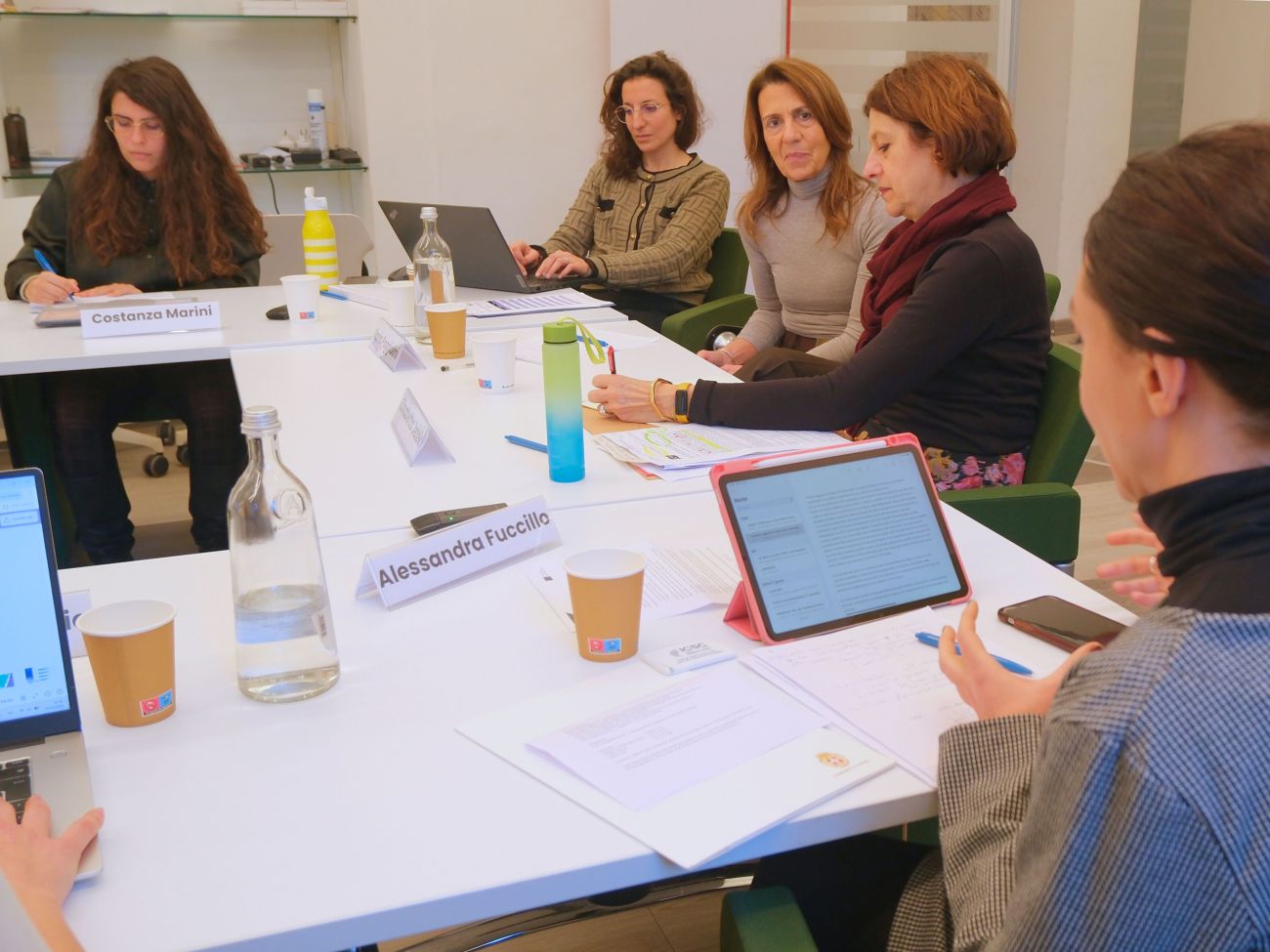
Si tratta di un evento pensato per favorire lo scambio di conoscenza e la circolazione delle idee, promuovendo il dialogo tra Università e realtà locali, come istituzioni, centri di ricerca, associazioni e cittadini. Alle 9 Università EC2U il compito di approfondire il tema “Equitable and Universal Access to Education”, che in UniPv è stata declinato nel titolo “Biases in texts from an interdisciplinary perspective”. Obiettivo: affrontare in ottica interdisciplinare il tema della presenza di “bias” nei testi, intesi come errori o distorsioni d’interpretazione, spesso derivanti da pregiudizi, stereotipi e ideologie.
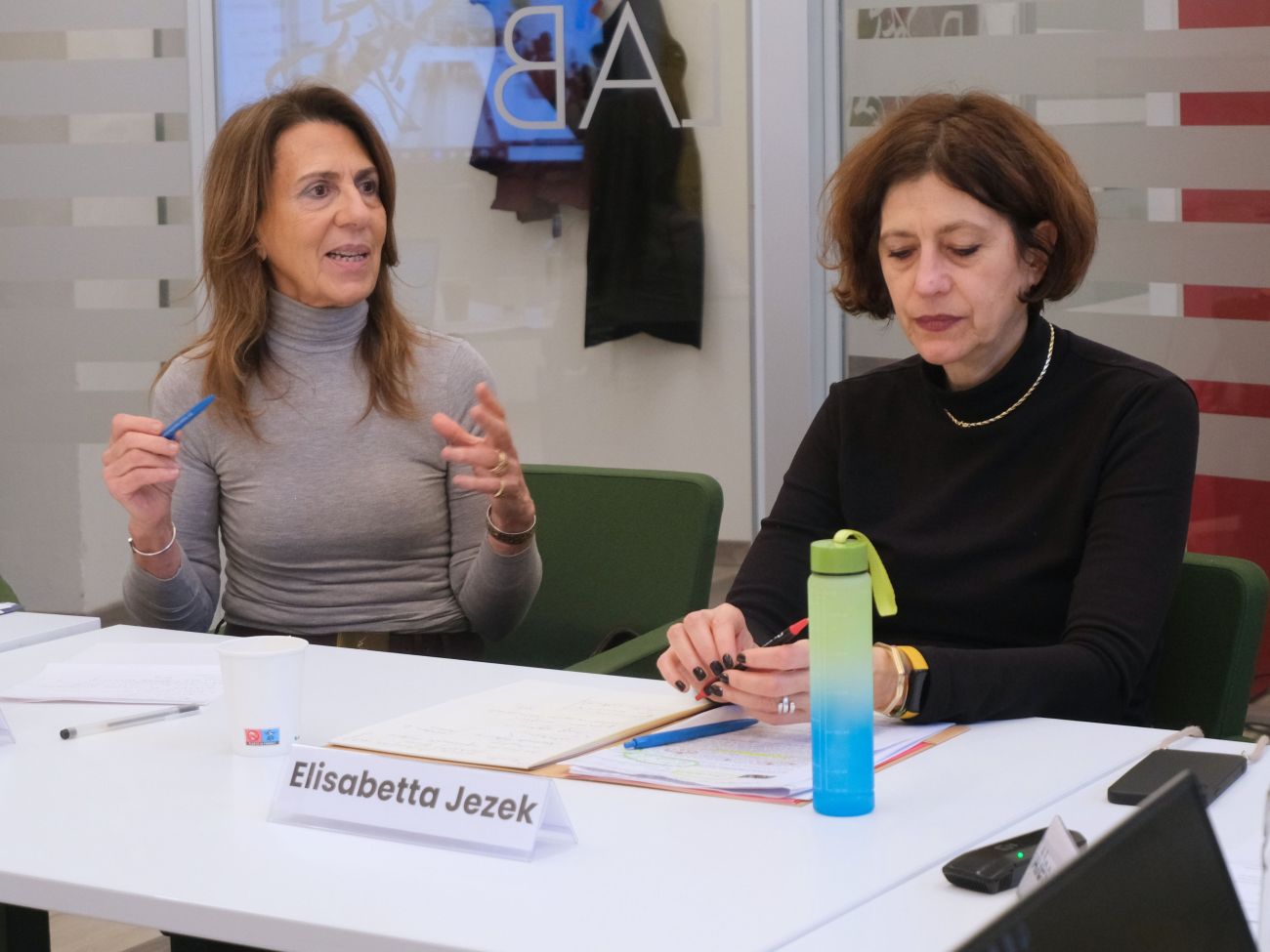
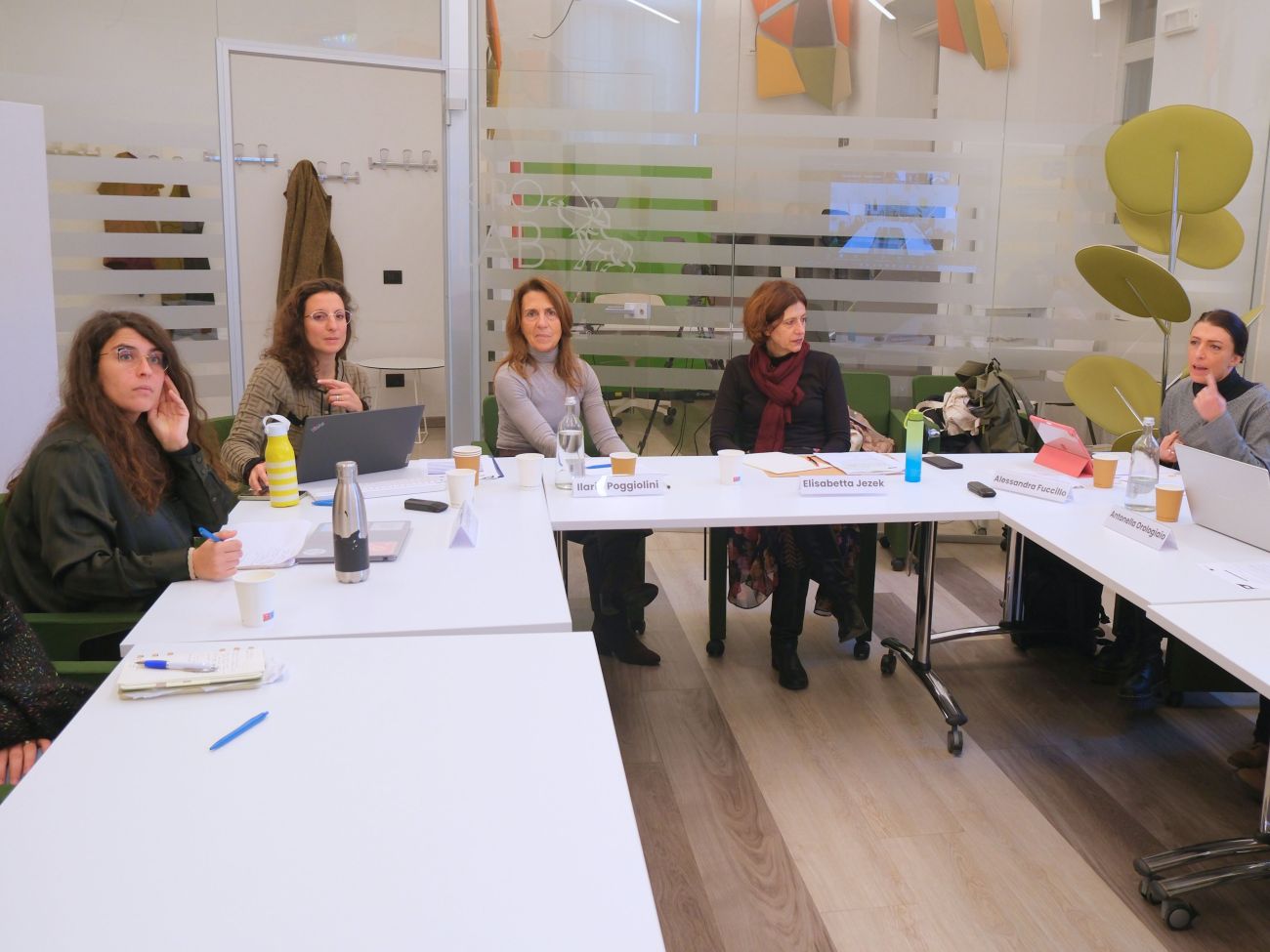
Moderato dalla prof.ssa Elisabetta Jezek, docente di Linguistica Computazionale e referente UniPv per l'EC2U Virtual Institute for Quality Education (VIQE) e per il gruppo di lavoro UN SDG #4: Quality Education, l’incontro ha intrecciato linguistica, psicologia, studi culturali e letterari, diritto, scienze sociali e politiche, per analizzare in chiave multidisciplinare la diffusione di pregiudizi, stereotipi e disinformazione nei contenuti scritti e mediatici.
«Di fronte allo scenario attuale - introduce Jezek - nel campo dell’educazione e dell’istruzione è importante attrezzarsi per avere disponibilità di strumenti critici, non solo per trattare questi temi ma per fare ricerca e offrire nuove soluzioni».
Bias nei testi e realtà: convivenza (im)possibile
La prof.ssa Ilaria Poggiolini, Docente di Relazioni Internazionali UniPv, avvia la riflessione su quanto anche su scala globale - in particolare in politica - stiamo assistendo ad un allontanamento dalla verità. Un fenomeno contemporaneo che però ha genesi storica, come dimostrano alcune fake news generate in tempi lontani dall’era digitale, sconfessate in seguito dall’evoluzione della conoscenza. Ciò ci riporta - nel 2025 - ad un corto circuito: “spesso di fronte a post-verità e fake news, il pubblico che condivide determinati contenuti diventa complice del distacco tra narrazione e realtà, smettendo di misurarsi con essa”.
La prof.ssa Ioana Alina Cristea, Docente in Psicologia Clinica all’Università di Padova, ha fatto un excursus sui bias cognitivi, spiegando origine, e tipologie di queste “deviazioni sistematiche da percezione o giudizio accurato in base a standard oggettivi”. Se da un lato l’evoluzione ci porta a semplificare input, ricordi ed esperienze di realtà, dall’altro la presenza di realtà virtuali e non sempre verificabili aumentano il senso d’incertezza, aprendo la strada a “scorciatoie” e pre-giudizi.
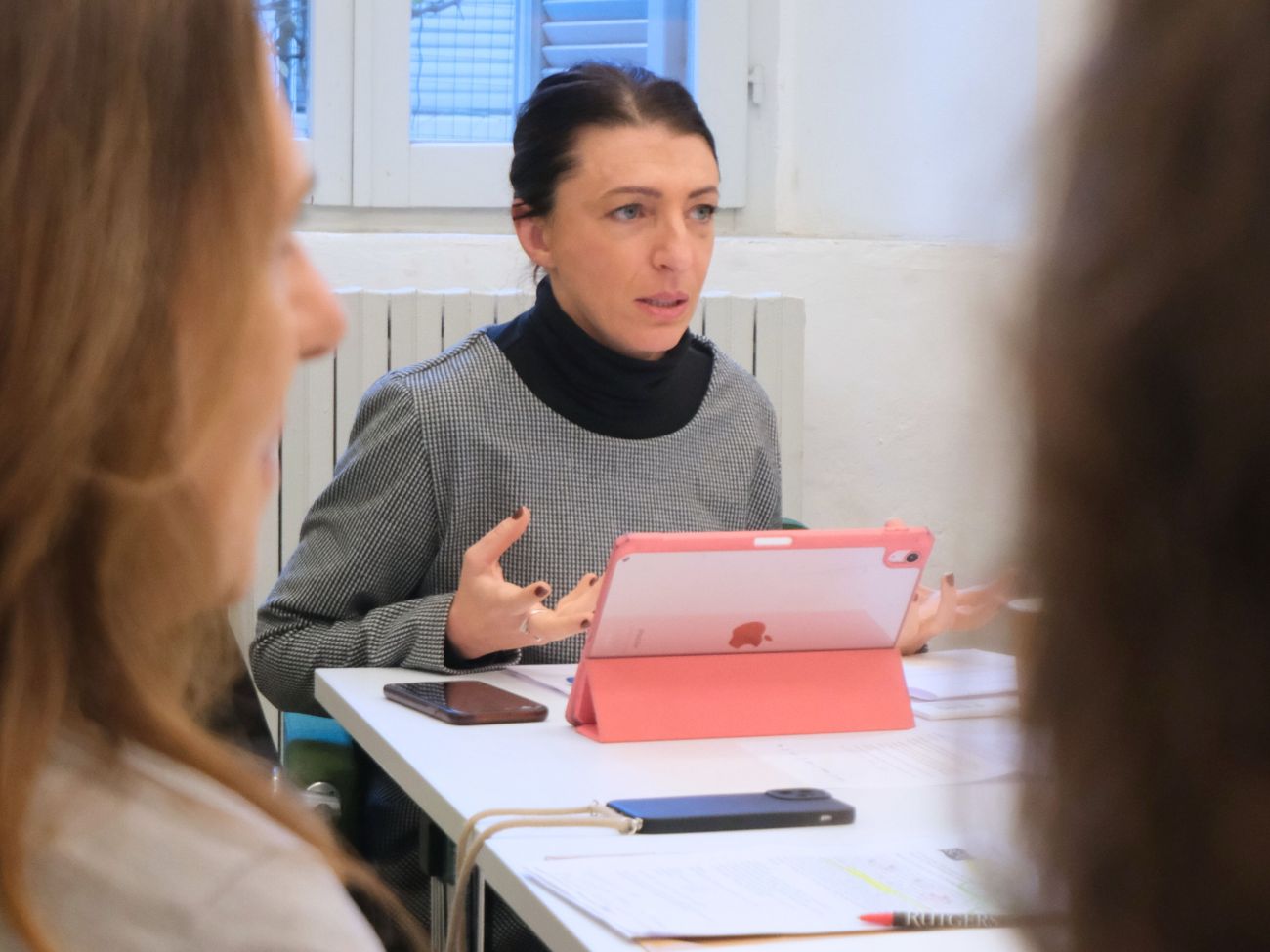
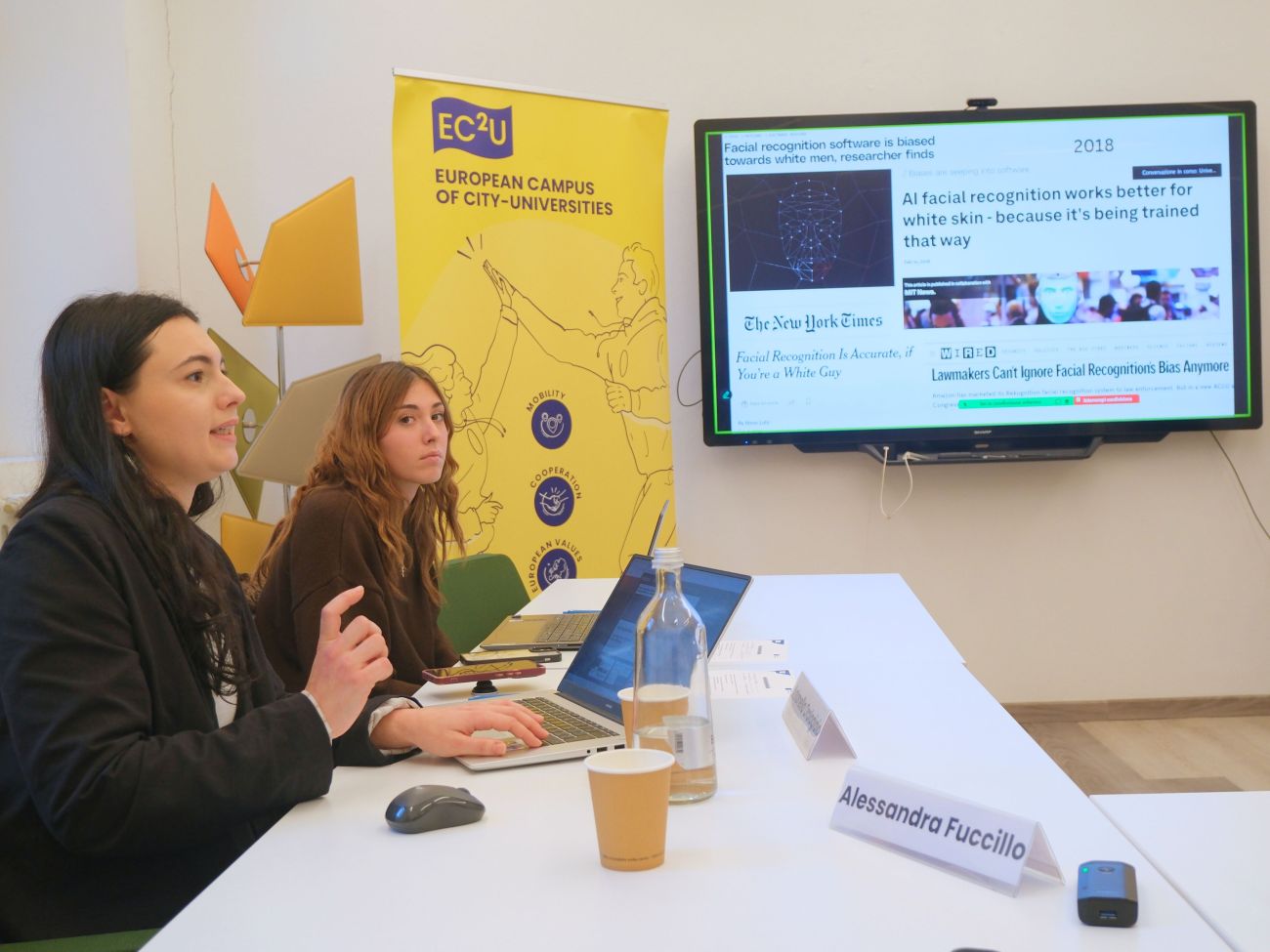
Ciò accade anche in contesti sociali caratterizzati da norme e responsabilità: l’assessora Alessandra Fuccillo (con delega a Pubblica istruzione e Formazione professionale) ripercorre un fatto di cronaca recente, dove “non è raro notare come il processo di restituzione della realtà nelle narrazioni mediatiche risulta alterato dai bias interpretativi. Questo scollamento rischia di alimentare versioni spesso distanti dai fatti, che se strumentalizzate possono contribuire ad alimentare sfiducia nelle istituzioni”.
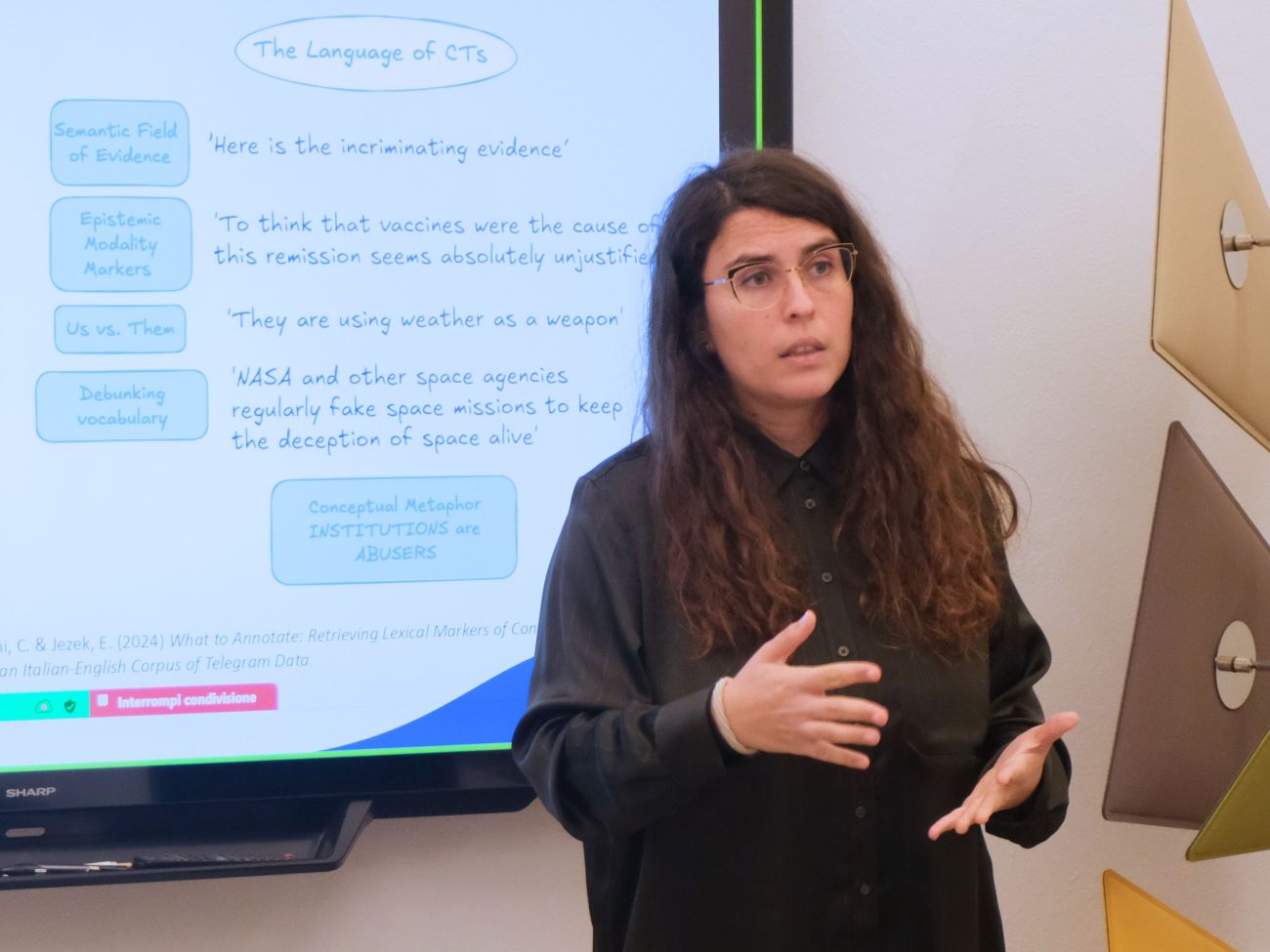
Lo dimostrano le teorie del complotto, trattate dalla ricercatrice e post-doc UniPv in Linguistica Costanza Marini nell’ambito di uno studio cross-linguistico su tre casi di conspiracy theories. “Si tratta di storie non verificate ma raccontate come vere - spiega - dove l’intenzione fa la differenza. Chi ne è autore ne è consapevole, mentre chi fa parte del complotto finisce per esserne vittima - con distinzione tra misinformazione e disinformazione, dove il distacco tra società e istituzioni viene amplificato dall’utilizzo delle piattaforme digitali.
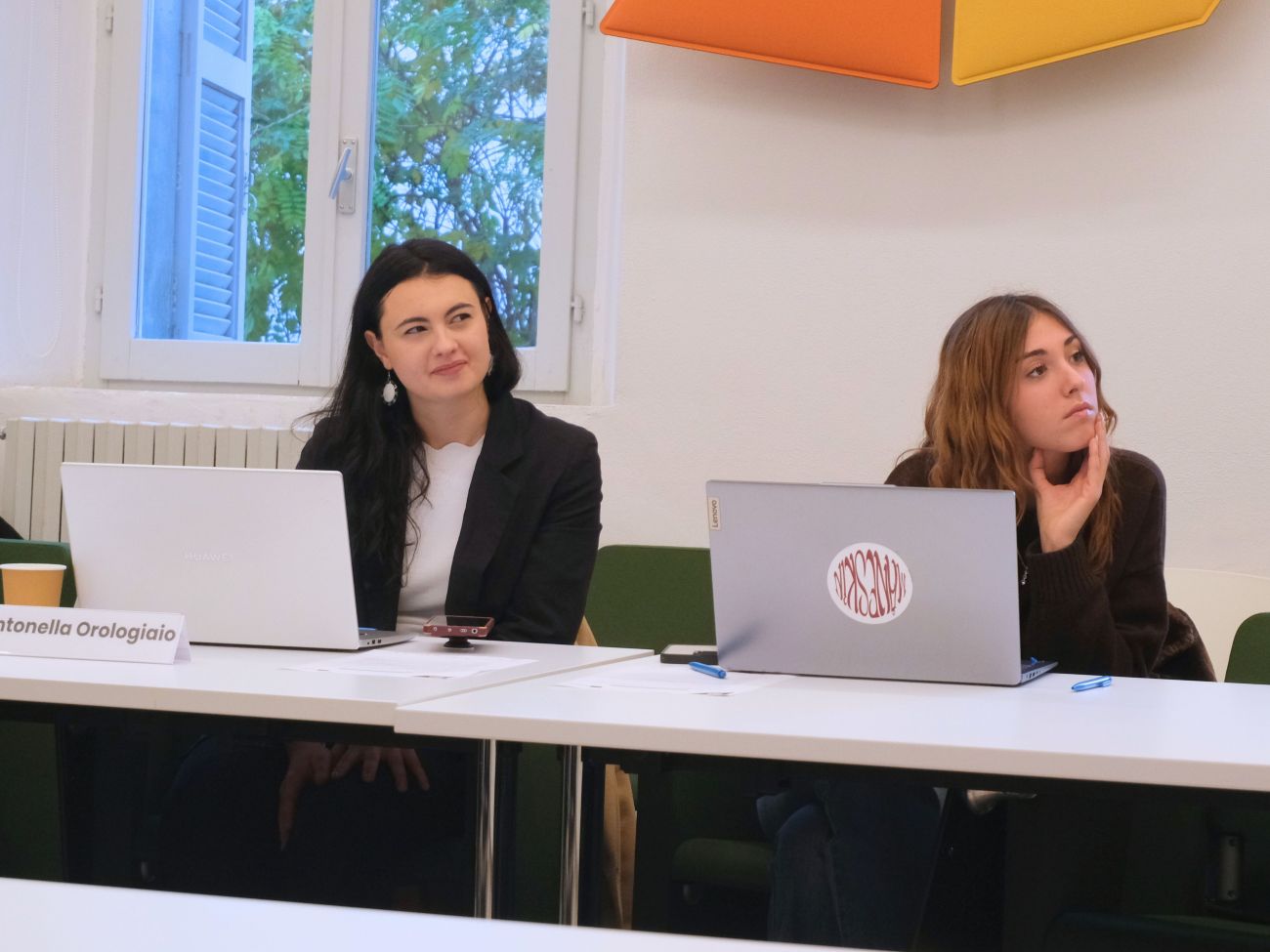
Il prof. Vittorio Cobianchi (Osservatorio di Pavia) e la dottoranda in Scienze Politiche e Sociali UniPv Antonella Orologiaio hanno analizzato l’impatto dell’intelligenza artificiale su vari aspetti della società contemporanea: “Gli algoritmi sono agenti sociali - hanno spiegato - cioè un prodotto della società. Ne assorbono la cultura, che a loro volta restituiscono alla società stessa, rischiando di essere un forte catalizzatore di bias cognitivi”.
Educare allo spirito critico
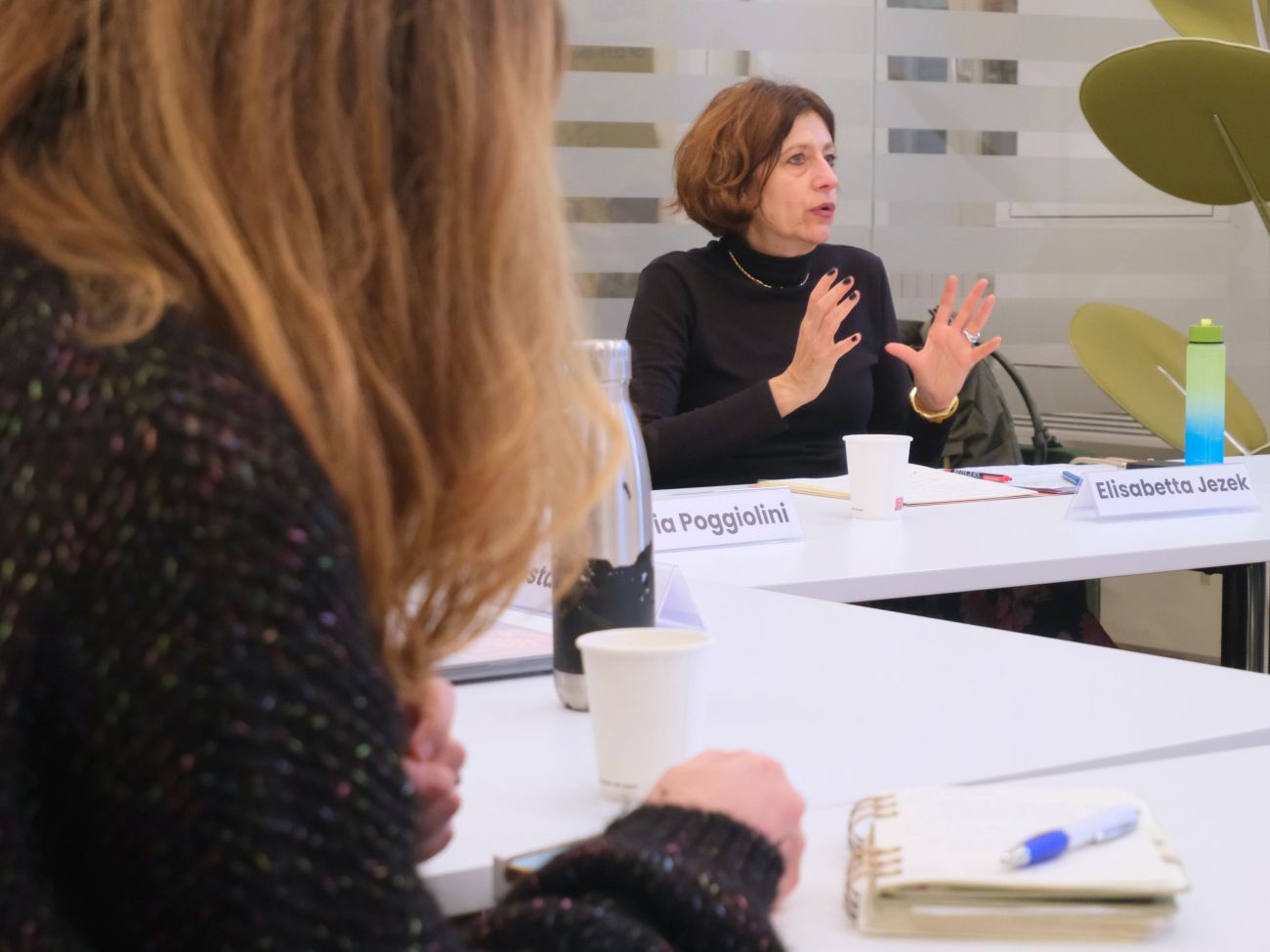
I contributi condivisi nella tavola rotonda convergono sul rapporto con la realtà: «La distanza dall’oggettività incrina lo stesso concetto di “verità - riprende Elisabetta Jezek - intesa non come univoca ma come una versione possibile, non sempre aderente a ciò che è reale».
In questo mondo costellato di post-verità, la società deve confrontarsi con un nuovo contesto, rimodulando la consapevolezza di sé e rimodellando il modo di leggere e interagire con testi e informazioni.
«Potremmo non essere pronti - prosegue la docente - ma potrebbe essere anche un’opportunità: istituzioni, università e cittadinanza hanno la responsabilità di incoraggiare lo sviluppo dello spirito critico, offrendo soluzioni di educazione alla cittadinanza digitale, per creare uno spazio sicuro ed inclusivo».
In questo contesto, le competenze linguistiche e culturali sono la chiave per stimolare la partecipazione attiva alla società.
«Abbiamo una responsabilità - ricorda Jezek - partendo dalle rispettive conoscenze e discipline, possiamo offrire soluzioni scalabili nei diversi contesti educativi, per allenare al pensiero critico e trovare spazi di mediazione e d’incontro».
***
We live in the age of post-truth. In the mare magnum of content constantly flowing through our daily lives, it has become natural to wonder what is reliable and what is “fake.” Cognitive biases, stereotypes, disinformation and misinformation infiltrate our screens and our perception of reality, reshaping how we relate to the world around us. How can we (re)build points of reference that help us navigate the digital age? This was the focus of the EC2U Think Tank held on Tuesday, November 25, 2025, at the University of Pavia, within the framework of the European University Alliance EC2U – European Campus of City-Universities.
The event was designed to foster the exchange of knowledge and ideas, encouraging dialogue between the University and local communities – institutions, research centers, associations, and citizens. The nine EC2U universities had to delve the topic “Equitable and Universal Access to Education”, which UniPv developed under the title “Biases in texts from an interdisciplinary perspective” . The goal: to examine the presence of bias in texts – understood as errors or distortions in interpretation, often deriving from prejudice, stereotypes, and ideologies – through an interdisciplinary lens.
Moderated by Prof. Elisabetta Jezek, Professor of Computational Linguistics and UniPv representative for the EC2U Virtual Institute for Quality Education (VIQE) and the working group “UN SDG #4: Quality Education”, the discussion brought together linguistics, psychology, cultural and literary studies, law, social sciences, and political science to analyze how prejudice, stereotypes and disinformation spread in written and media content from a multidisciplinary perspective.
«Given the current landscape,” Jezek introduced, “in the field of education it is essential to equip ourselves with critical tools – not only to address these issues but to conduct research and provide new solutions».
Bias in texts and reality: an (im)possible coexistence
Prof. Ilaria Poggiolini, Professor of International Relations at UniPv, opened the discussion by observing how – even globally, and particularly in politics – we are witnessing a growing detachment from truth. This contemporary phenomenon has historical roots, as demonstrated by the existence of fake news long before the digital age, later disproven as knowledge evolved. This brings us – here in 2025 – to a paradox: “Faced with post-truth and fake news, the public sharing such content often becomes complicit in the separation between narrative and reality, ceasing to confront what is actually true”.
Prof. Ioana Alina Cristea, Professor of Clinical Psychology at the University of Padua, provided an overview of cognitive biases, explaining their origins and types as “systematic deviations from accurate perception or judgment according to objective standards”. While evolution has equipped us to simplify inputs, memories, and experiences, today’s virtual and not always verifiable realities increase uncertainty, paving the way for shortcuts and prejudgments.
Bias emerges even in social contexts governed by norms and responsibilities: Alessandra Fuccillo, Councillor for Public Education and Vocational Training, recalled a recent news case in which “media narratives often distort reality through interpretative bias. This misalignment risks fostering accounts far removed from actual events – accounts that, if exploited, can fuel distrust in institutions”.
Conspiracy theories offer a clear example, as shown in the research presented by Costanza Marini, post-doctoral researcher in Linguistics at UniPv, who conducted a cross-linguistic study on three conspiracy theory cases. “These are unverifiable stories presented as true”, she explained, “where intention makes the difference. Authors knowingly create them, while those who become part of the conspiracy narrative end up as victims. The distinction between misinformation and disinformation is crucial, as digital platforms amplify the gap between society and institutions.”
Prof. Vittorio Cobianchi (Osservatorio di Pavia) and PhD candidate in Political and Social Sciences Antonella Orologiaio examined the impact of artificial intelligence on contemporary society: “Algorithms are social agents” – they explained – “produced by society and absorbing its culture, which they then return to society. This process risks making AI a powerful catalyst for cognitive bias”.
Educating toward critical thinking
The contributions shared during the roundtable converged on the relationship with reality.
«The distance from objectivity undermines the very concept of truth – Jezek continued – not as something univocal, but as a possible version of events, not always aligned with what is real».
In a world marked by post-truth, society must adapt to a new context, reshaping self-awareness and rethinking how we read and interact with texts and information.
«We may not be fully prepared», Prof. Jezek noted, «but this may also be an opportunity: institutions, universities, and citizens have the responsibility to foster critical thinking, promote digital citizenship education and create safe and inclusive spaces».
In this process, linguistic and cultural competences are key to encouraging active participation in society.
«We have a responsibility” Jezek emphasized “starting from our respective fields and expertise, we can offer scalable solutions across different educational contexts to train critical thinking and create spaces for mediation and encounter».