


Nasce il progetto LUMINA: Pavia protagonista a livello europeo nelle buone pratiche per un invecchiamento attivo
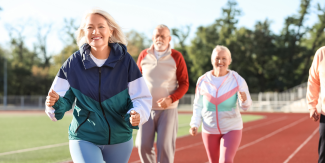
(English below) Invecchiare bene e in salute, in un contesto inclusivo e a misura di persona. Questo l’obiettivo del progetto LUMINA (Linking Urban Municipalities In New Ageing) valutato positivamente dalla Commissione europea nell’ambito della rete di cooperazione Town Twinning del programma UE CERV(Citizens, Equality, Rights and Values). Coordinato dal Comune di Pavia e sostenuto dall’Università di Pavia in qualità di partner associato, coinvolge otto città europee, con l’obiettivo comune di trovare modalità di cooperazione, politiche inclusive e buone pratiche per affrontare la sfida dell’invecchiamento attivo attraverso un approccio moderno e sensibile alle questioni di genere.
L’approvazione apre la strada alla preparazione della convenzione di sovvenzione, un passaggio tecnico che precede la firma ufficiale e l’avvio dell'attività. In questa fase saranno definiti il budget, i ruoli dei partner e il calendario operativo del progetto. Nello specifico, UniPv fornirà competenze scientifiche, supportando l’analisi dei bisogni e la progettazione metodologica per garantire qualità, impatto e sostenibilità dei risultati del progetto. L’expertise dell’Ateneo nella medicina di genere darà un importante contributo, grazie al coinvolgimento diretto di gruppi di ricerca nei campi dell’ostetricia e ginecologia, endocrinologia e sessuologia. Ciò assicura che le politiche sviluppate tengano conto delle specifiche esigenze legate al genere, con particolare attenzione all’invecchiamento femminile.
Sostenibilità, salute e benessere
Oltre a Pavia, il partenariato comprende Hildesheim e Jena (Germania), Iași (Romania), Coimbra (Portogallo), la comunità urbana Grand Poitiers (Francia), Umeå (Svezia) e Lviv (Ucraina). La partecipazione di sette città dell’Alleanza European Campus of CIty-Universities (EC2U) assicura il supporto operativo di realtà già impegnate in progetti collaborativi su sostenibilità, trasformazione digitale, salute e benessere. Su questo tema - ispirati all’Obiettivo di Sviluppo Sostenibile ONU “Salute e benessere” (SDG #3), EC2U ha avviato il Virtual Institute for Good Health and Well-Being (GLADE), rete internazionale interdisciplinare che sviluppa progetti di ricerca, innovazione e formazione nel campo della salute, e il Joint Master LIFELINE – Lifelong Well-being and Healthy Ageing, che forma studenti sui temi dell’invecchiamento in una prospettiva bio-psico-sociale.
La cooperazione tra i diversi partner istituzionali mira ad assicurare continuità e sostenibilità del progetto, attraverso raccomandazioni politiche congiunte, raccolta di buone pratiche e l'istituzione di un Social and Active Ageing Living Lab. Si tratta di una piattaforma permanente, pensata per mettere in connessione enti locali, mondo accademico e società civile, assicurando scambio continuo, governance inclusiva e impatto a lungo termine. L’obiettivo è rafforzare il ruolo degli anziani come cittadini attivi e potenziare la capacità dei comuni e degli stakeholder di progettare e attuare politiche locali sostenibili, partecipative e innovative.
***
Launching the LUMINA Project (Linking Urban Municipalities in New Ageing): the University of Pavia at the forefront in Europe for best practices in active ageing
Ageing well and in good health, within an inclusive and people-centred environment: this is the goal of the project LUMINA (Linking Urban Municipalities In New Ageing), which has been positively evaluated by the European Commission under the Town Twinning strand of the EU Citizens, Equality, Rights and Values Programme (CERV). Coordinated by the Municipality of Pavia and supported by the University of Pavia as an associated partner, the project involves eight European cities with the shared objective of identifying cooperation models, inclusive policies and best practices to address the challenge of active ageing through a modern approach that is sensitive to gender issues.
The project’s approval paves the way for the preparation of the grant agreement, a technical phase that precedes the official signing and the start of activities. During this stage, the budget, partners’ roles and the project timeline will be defined. In particular, the University of Pavia will contribute scientific expertise, supporting needs analysis and methodological design to ensure the quality, impact and sustainability of the project’s outcomes. The University’s expertise in gender medicine will provide a significant contribution, thanks to the direct involvement of research groups in the fields of obstetrics and gynaecology, endocrinology and sexology. This will ensure that the policies developed take into account gender-specific needs, with particular attention to women’s ageing.
In addition to Pavia, the partnership includes Hildesheim and Jena (Germany), Iași (Romania), Coimbra (Portugal), the Grand Poitiers urban community (France), Umeå (Sweden) and Lviv (Ukraine). The participation of seven cities from the EC2U Alliance ensures operational support from institutions already engaged in collaborative projects on sustainability, digital transformation, health and well-being. In this context—aligned with the United Nations Sustainable Development Goal “Good Health and Well-being” (SDG 3)—EC2U has launched the Virtual Institute for Good Health and Well-Being (GLADE), an international interdisciplinary network developing research, innovation and training projects in the health sector, as well as the Joint Master’s programme LIFELINE (Lifelong Well-being and Healthy Ageing), which trains students on ageing from a bio-psycho-social perspective.
Cooperation among the institutional partners aims to ensure the project’s continuity and sustainability through joint policy recommendations, the collection of best practices, and the establishment of a Social and Active Ageing Living Lab. This will be a permanent platform designed to connect local authorities, academia and civil society, ensuring continuous exchange, inclusive governance and long-term impact. The overall objective is to strengthen the role of older people as active citizens and to enhance the capacity of municipalities and stakeholders to design and implement sustainable, participatory and innovative local policies.