Pavia accoglie i primi borsisti palestinesi grazie al progetto IUPALS. Il Rettore: «In Università coltiviamo libertà e speranza»
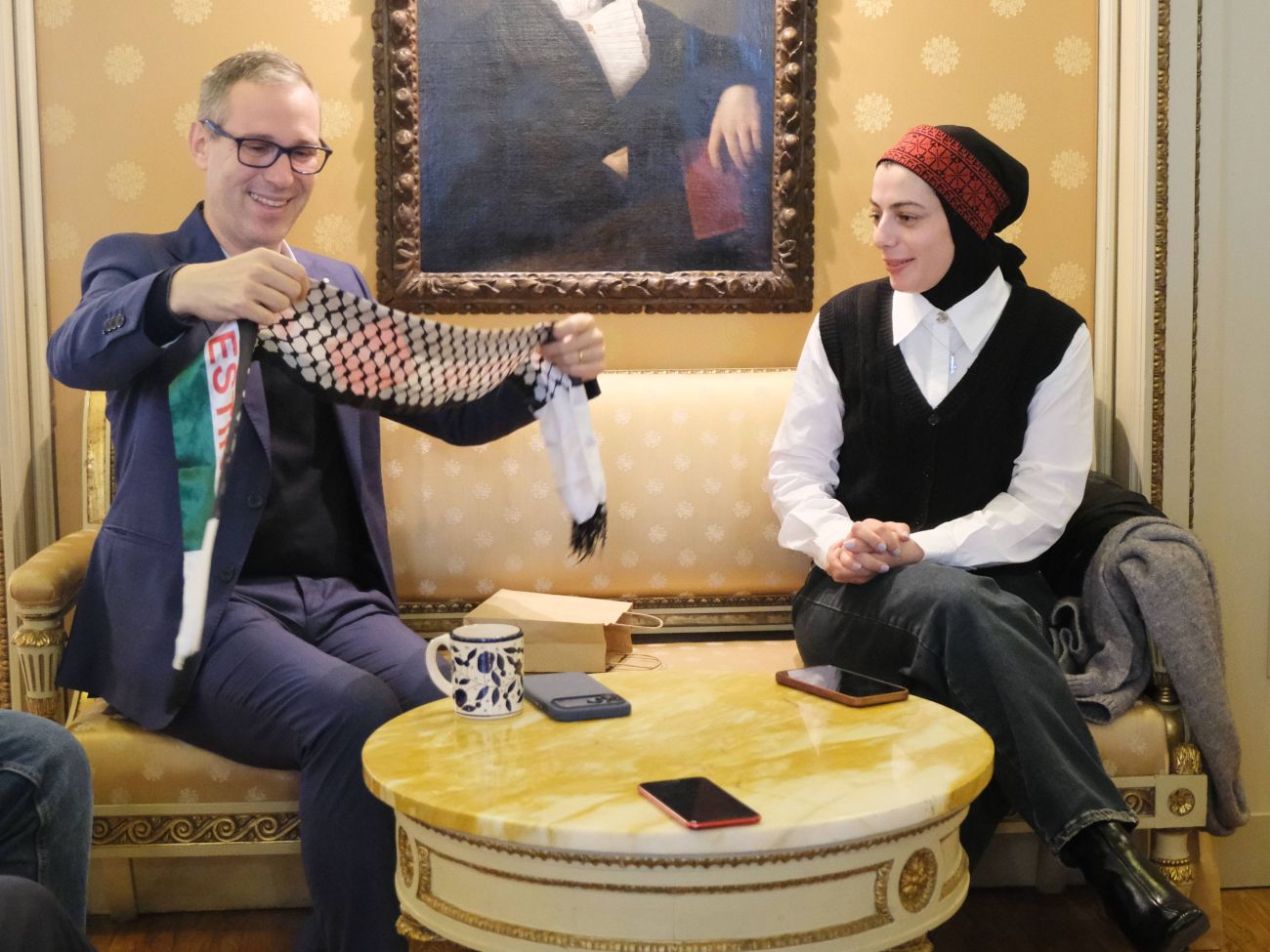
(English below) «Siamo felici e onorati di accogliervi a Pavia». Con queste parole, il Rettore dell'Università di Pavia Alessandro Reali ha dato il benvenuto a un docente e tre studentesse palestinesi, giunti in Italia e a Pavia tramite l’iniziativa IUPALS - Italian Universities for Palestinian Students. Promosso dalla Conferenza dei Rettori delle Università Italiane (CRUI) in collaborazione con il Ministero degli Affari Esteri e della Cooperazione Internazionale, il Ministero dell'Università e della Ricerca e il Consolato Generale d'Italia a Gerusalemme, il progetto ha permesso di attivare 97 borse di studio offerte da 35 atenei italiani a favore di studenti residenti nei territori palestinesi.
L’incontro di giovedì 13 novembre ha formalizzato l’accoglienza in UniPv dei primi quattro borsisti, riscontrando la forte collaborazione di istituzioni e associazioni pavesi, con mobilitazione per offrire sostegno economico e pratico. Il 6 novembre 2025 la CRUI ha comunicato che entro fine mese sarà organizzata la terza evacuazione, grazie alla quale verranno chiamati altri quattro studenti palestinesi iscritti all’Università di Pavia.
Per garantire l’apertura del corridoio accademico e il supporto agli studenti si sono mobilitati enti e associazioni su scala nazionale, tra cui la Guardia di finanza, la Protezione Civile e il Meccanismo Europeo di Protezione Civile, il Consolato Generale d’Italia a Gerusalemme, l’Ambasciata d’Italia in Giordania, l’Unità di Crisi della Farnesina, le Scuole di Terrasanta e la Fondazione Giovanni Paolo II. Alcuni tra gli studenti assegnati a Pavia hanno trovato sostegno e ospitalità presso i collegi universitari, grazie anche al supporto di associazioni come la Fondazione Bracco, il gruppo PASS (Palestine Student Support) e l’impegno di alcuni docenti UniPv.
«Nelle università - prosegue Reali - il primo valore che coltiviamo è la libertà, di parola e di pensiero, sempre nel rispetto degli altri. Come comunità stiamo facendo del nostro meglio, ma lo facciamo con il cuore. Ciò che guida una comunità verso qualsiasi forma di successo sono le persone. Gli studenti sono il cuore di Pavia e della nostra università, che porta con sé una forte responsabilità sociale, volta a generare un impatto concreto, a restituire speranza. È ciò che ci aiuta a resistere di fronte alle difficoltà. L’educazione è ciò che ci insegna a mantenere viva la speranza».
“Costruire ponti di pace”
Come ricorda Matteo Alvaro, Prorettore agli Affari Internazionali dell’Università di Pavia, «Oggi esiste una sinergia molto forte tra l’Università e il Comune di Pavia, che ha contribuito a rendere tutto ciò possibile. Diverse condizioni si sono allineate, a partire dalla volontà delle istituzioni attive su scala nazionale: l’Università rappresenta solo l’ultimo anello di questa catena, ma con il supporto delle tante persone che lavorano all’interno dell’Ateneo abbiamo fatto del nostro meglio per rendere concreta questa opportunità».
Marco Missaglia (Delegato del Rettore per Africa e Medioriente e responsabile scientifico del progetto Iupals) ripercorre la “lunga storia di collaborazione” costruita da UniPv con la Palestina.
«Nel 2005 abbiamo contribuito alla fondazione di un master di Cooperazione e Sviluppo ‘gemello’ di quello attivo in UniPv. Da lì è iniziato il lungo percorso che ha portato alla creazione del sistema Iupals e alla definizione di altri finanziamenti per le borse di studio».
L’attività svolta negli ultimi vent’anni ha incluso tavoli di confronto con studiosi palestinesi, israeliani e gruppi esterni - tra cui UniPv - per formulare proposte concrete, pensate per un futuro di convivenza tra i due paesi in conflitto.
«Ciò purtroppo non è mai accaduto - prosegue Missaglia - ma abbiamo sempre lavorato per cercare di costruire un dialogo con entrambi gli attori in campo. L’obiettivo della nostra università rimane lo stesso: costruire ponti di pace».
«In continuità con il suo lungo passato di costante impegno - aggiunge Carola Ricci, Delegata del Rettore alla Cooperazione - l’Ateneo pavese conferma la ferma volontà di promuovere la cooperazione internazionale, mettendo le competenze, la scienza e la cultura dell’accoglienza al servizio di chi ha bisogno nel mondo. Ciò è possibile grazie alla collaborazione tra istituzioni pubbliche, associazioni e stakeholder privati volenterosi di offrire una nuova prospettiva a chi subisce gravi violazioni dei suoi diritti e libertà fondamentali».
Presenti all’incontro anche il prof. Pietro Galinetto (membro CdA dell’Università di Pavia) che con il prof. Gian Battista Parigi (ex referente CRUI per UniPv) ha preso parte alla commissione di selezione borsisti; la prof.ssa Silva Bortolussi, che ha contribuito a raccogliere finanziamenti utili all’accoglienza degli studenti; Andrea Pichelli (direttore GLOBEC) e Stefania Ferrari (referente Cicops presso il Globec), impegnati nelle attività di gestione e coordinamento del progetto.
“Se perdi l'educazione, perdi tutto"
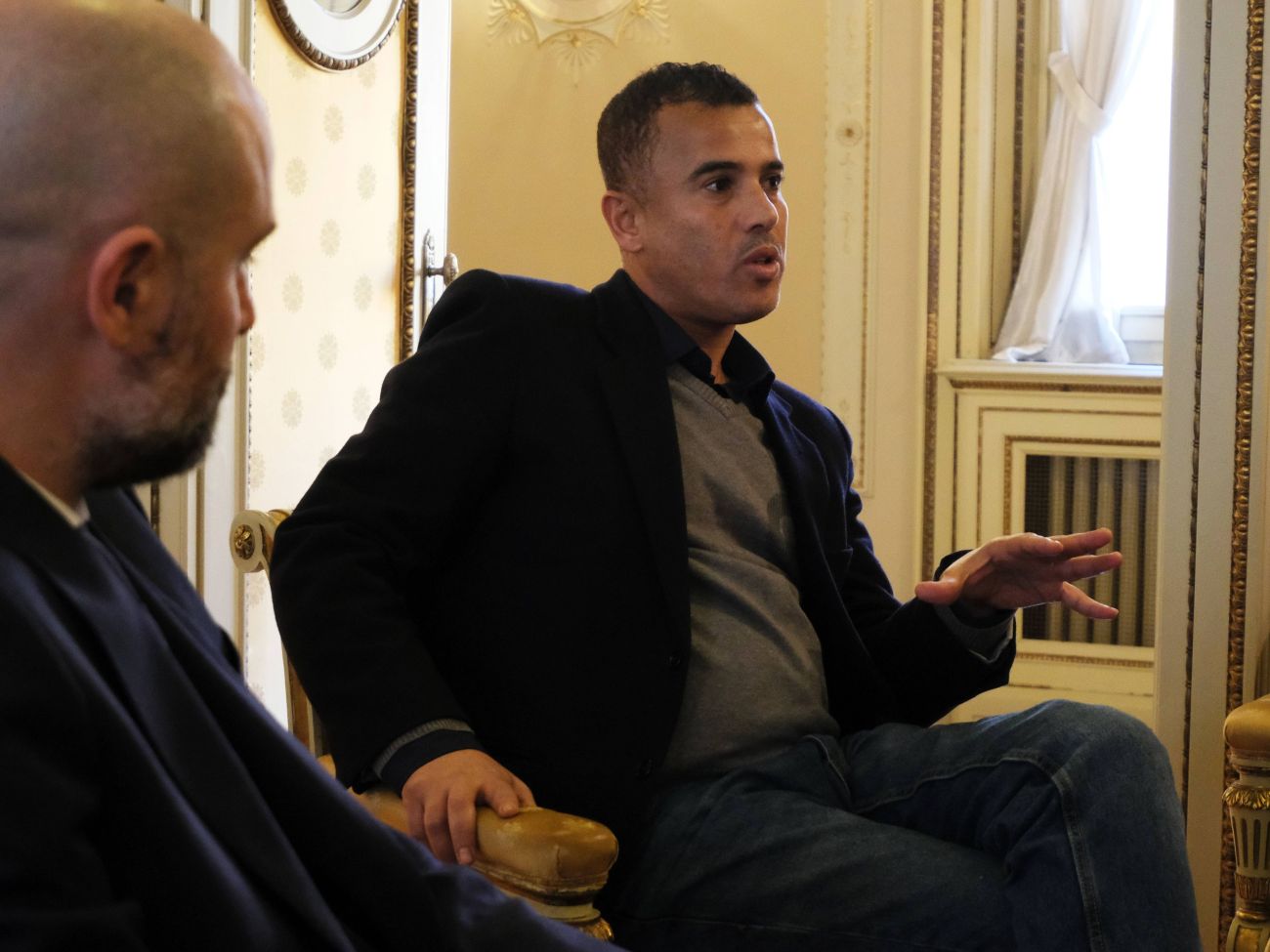
Belal è un docente e ricercatore della Al-Azhar University, prestigioso ateneo di Gaza. È arrivato a Pavia il 1° ottobre con la prima evacuazione da Gaza. Supportato anche dal Comune di Pavia, dal deputato Alessandro Cattaneo e dall’associazione “Gli Amici della Mongolfiera”, ha ottenuto lo status di rifugiato politico e ha attivato le pratiche per il ricongiungimento familiare. Attualmente è ospitato in un appartamento messo a disposizione da una cittadina pavese.
«Durante una telefonata - racconta - mio figlio di 5 anni ha chiesto di mostrargli ‘la mia tenda’ qui a Pavia, perché non immagina strutture diverse da quella in cui è cresciuto». Negli scorsi giorni, Belal ha ottenuto il nulla osta per il ricongiungimento familiare con moglie e figli, che a breve potranno raggiungerlo in Italia. «In Palestina molte università sono state distrutte e molti docenti uccisi. Nonostante le condizioni avverse, è stato fatto il possibile per consentire l’accesso all’istruzione anche durante i momenti più difficili, per dare speranza alle nuove generazioni. Se perdi l'educazione, il tuo paese perde tutto».
“Il primo passo del mio futuro”
«Qui mi sento libera». Con un sorriso, Ayah condivide pensieri ed emozioni della prima settimana trascorsa a Pavia. Iscritta al master in Cooperation and Development UniPv è tra le prime giovani palestinesi giunte in Italia (con borsa finanziata da AICS). Con lei, due studentesse di laurea magistrale in lingua inglese (con borse Iupals), rispettivamente iscritte al corso di World Politics e International Relations UniPv e Industrial Automation Engineering UniPv.
«È la prima volta che viaggio da sola: è un’avventura straordinaria, il primo passo della mia futura vita. Sono grata all’Università di Pavia per questa opportunità unica: sono qui per imparare il più possibile e cogliere le opportunità che mi saranno offerte, dal lavoro al volontariato». Ayah ricorda il detto: non darmi un pesce, insegnami a pescare. «È ciò che l’Università di Pavia sta facendo per me: mi sta insegnando come costruire il nostro Paese con le nostre mani. È per questo che sono qui, ed è ciò che voglio fare quando avrò terminato il master: voglio tornare in Palestina per restituire ciò che questa esperienza mi ha donato».
***
Pavia welcomes the first palestinian scholars supported by IUPALS.
The Rector: “In universities, we cultivate freedom and hope”
«We are happy and honored to welcome you to Pavia». With these words, Alessandro Reali, Rector of the University of Pavia, received a professor and three Palestinian students who arrived in Italy and in Pavia through the IUPALS initiative – Italian Universities for Palestinian Students. Promoted by the CRUI, in collaboration with the Ministry of Foreign Affairs and International Cooperation, the Ministry of Universities and Research, and the Consulate General of Italy in Jerusalem, the initiative enabled the activation of 97 scholarships offered by 35 Italian universities for students residing in the Palestinian Territories.
The meeting marked UniPv’s formal welcome to the first four palestinian scholars, and highlighted the strong collaboration of local institutions and associations in Pavia, which provided financial and practical support. On 6 November 2025, the CRUI announced a third evacuation by the end of the month, allowing the arrival of four additional students to the University of Pavia.
Several national bodies and organizations mobilized to ensure the opening of the academic corridor and to support the students. Among them, the Italian Finance Police, the Civil Protection Agency, the EU Civil Protection Mechanism, the Consulate General of Italy in Jerusalem, the Italian Embassy in Jordan, the Crisis Unit of the Italian Ministry of Foreign Affairs, the Terra Sancta Schools and the Giovanni Paolo II Foundation. Some of the students assigned to Pavia found housing in university colleges thanks to the contribution of associations such as the Bracco Foundation, the PASS Group (Palestine Student Support), and the commitment of several UNIPV faculty members.
«The first value we cultivate within universities is freedom of speech and of thought, always grounded in respect for others,» Reali added. «As a community, we are doing our best, and we are doing it with our hearts. What guides any community toward success is its people. Students are the heart of Pavia and of our University, which bears a strong social responsibility to generate concrete impact and restore hope. This is what helps us persevere through difficulties. Education is what teaches us to keep hope alive».
“Building bridges of peace”
«Today there is a very strong synergy between the University and the Municipality of Pavia, which has helped make all this possible», says Matteo Alvaro, Pro-Rector for International Affairs at the University of Pavia. «Several conditions aligned, starting with the commitment of national institutions. The University is only the last link in this chain, but with the support of the many people working within UNIPV, we did our best to make this opportunity real».
Marco Missaglia, Rector’s Delegate for Africa and the Middle East and scientific director of the IUPALS project, retraced the “long history of collaboration” built between UniPv and Palestine.
«In 2005 we helped establish a Cooperation and Development master’s program ‘twin’ to the one in Pavia. There began the long journey leading to the IUPALS system, supported by several additional scholarship fundings».
Over the past twenty years, the activities included discussion tables with Palestinian, Israeli, and external scholars – including UniPv – to develop concrete proposals aimed at a future of coexistence between the two countries in conflict.
«Unfortunately, this has never happened,» continues Missaglia, «but we have always worked to try to build a dialogue with both parties involved. The goal of our university remains the same: to build bridges of peace».
«In line with its long-standing commitment» added Carola Ricci, Rector’s Delegate for Cooperation, «the University of Pavia reaffirms its determination to promote international cooperation by placing its expertise, science and culture of hospitality at the service of those in need worldwide. The partnership among public institutions and private stakeholders was crucial to offer new prospects to individuals whose fundamental rights and freedoms are being gravely violated».
Also present at the meeting were Prof. Pietro Galinetto, member of the UniPv Board of Directors, who together with Prof. Gian Battista Parigi (former CRUI representative for UNIPV), served on the scholarship selection committee; Prof. Silva Bortolussi, who helped secure funding for student support, Andrea Pichelli (GLOBEC Director), and Stefania Ferrari (CICOPS representative within GLOBEC), both engaged in project coordination and management.
“If you lose education, you lose everything”
Belal is a professor and researcher at Al-Azhar University, a prestigious institution in Gaza. He arrived in Pavia on 1 October with the first evacuation from Gaza. Supported by the Municipality of Pavia, Member of Parliament Alessandro Cattaneo, and the association Gli Amici della Mongolfiera, he obtained political refugee status and started the family reunification process. He is currently hosted in an apartment provided by a Pavia resident.
«During a phone call - he says - my 5-year-old son asked me to show him ‘my tent’ here in Pavia, because he couldn’t imagine living anywhere other than what he has known all his life». In recent days, Belal received authorization for reunification with his wife and children, who will soon be able to join him in Italy. «In Palestine, many universities have been destroyed and many professors killed. Despite the difficult circumstances, everything possible was done to ensure access to education even at the hardest moments, to give younger generations a sense of hope. If you lose education, your country loses everything».
“The firs step into my future”
«Here, I feel free». With a smile, Ayah shares thoughts and emotions from her first week in Pavia. Enrolled in the master’s program in Cooperation and Development at UniPv , she is among the first young Palestinian women to arrive in Italy (with a scholarship offered by AICS). With her are two other students pursuing English-taught master’s degrees (with IUPALS scholarships), enrolled respectively in World Politics and International Relations (UniPv) and Industrial Automation Engineering (UniPv).
«This is my first time traveling alone: it’s an extraordinary adventure, the first step into my future life. I am grateful to the University of Pavia for this unique opportunity. I’m here to learn as much as I can and to seize every opportunity, in academic and professional field». Ayah recalls a saying: Don’t give me a fish, teach me how to fish. «This is what the University of Pavia is doing for me: it’s teaching me how to rebuild our country with our own hands. That is why I am here, and it’s what I intend to do once I complete my master’s degree. I want to return to Palestine and give back what this experience has given me».