Costruire ponti in tempi di crisi: il Master in Cooperation and Development dell’Università di Pavia apre la sua 29ª edizione
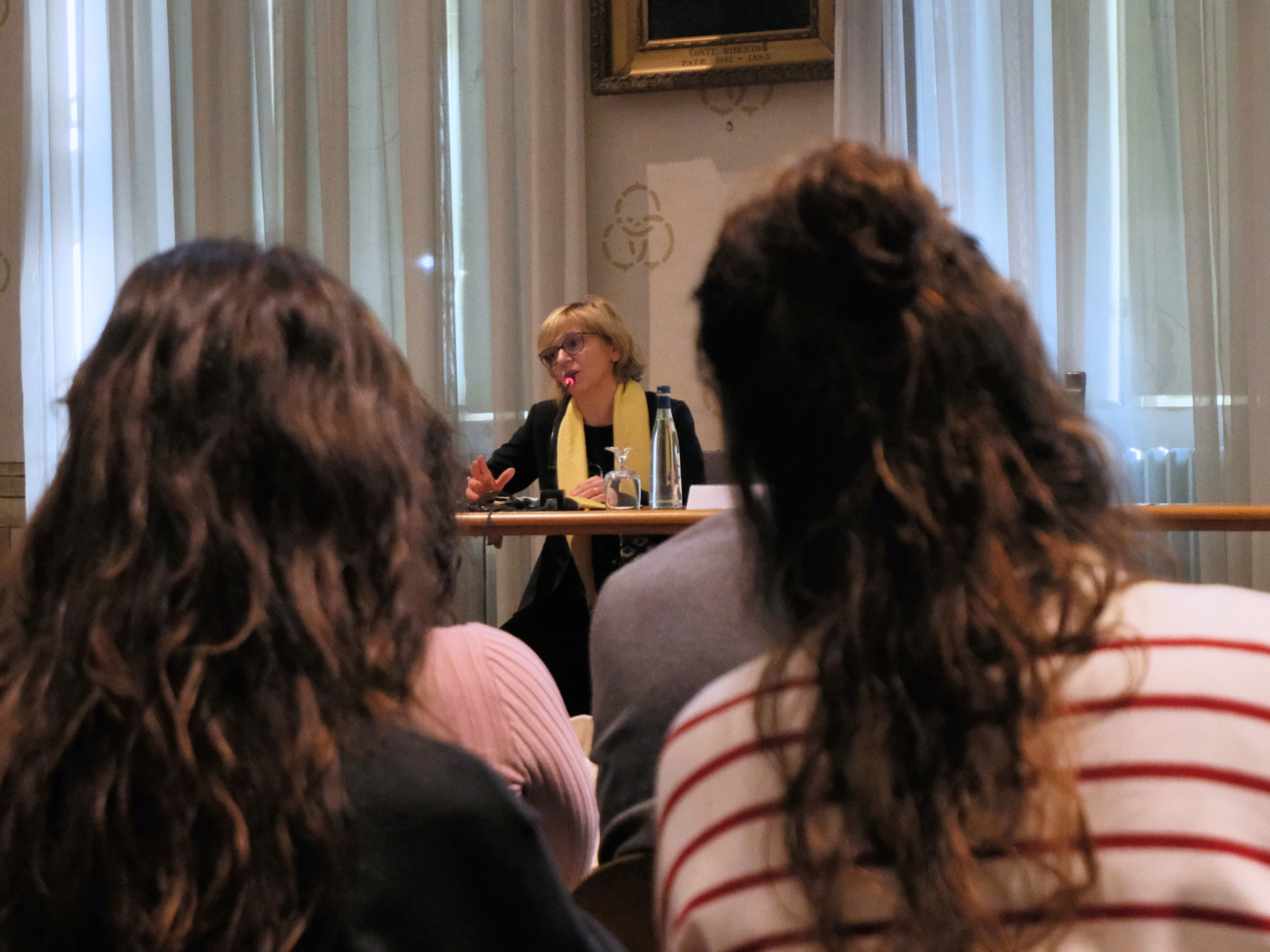
(English below) Lunedì 10 novembre 2025 ha preso il via la 29ª edizione del Master in Cooperation and Development dell’Università di Pavia. Afferente al Dipartimento di Scienze Politiche e Sociali, il programma internazionale e multidisciplinare prepara professionisti che operano nella cooperazione internazionale e nell’aiuto umanitario.
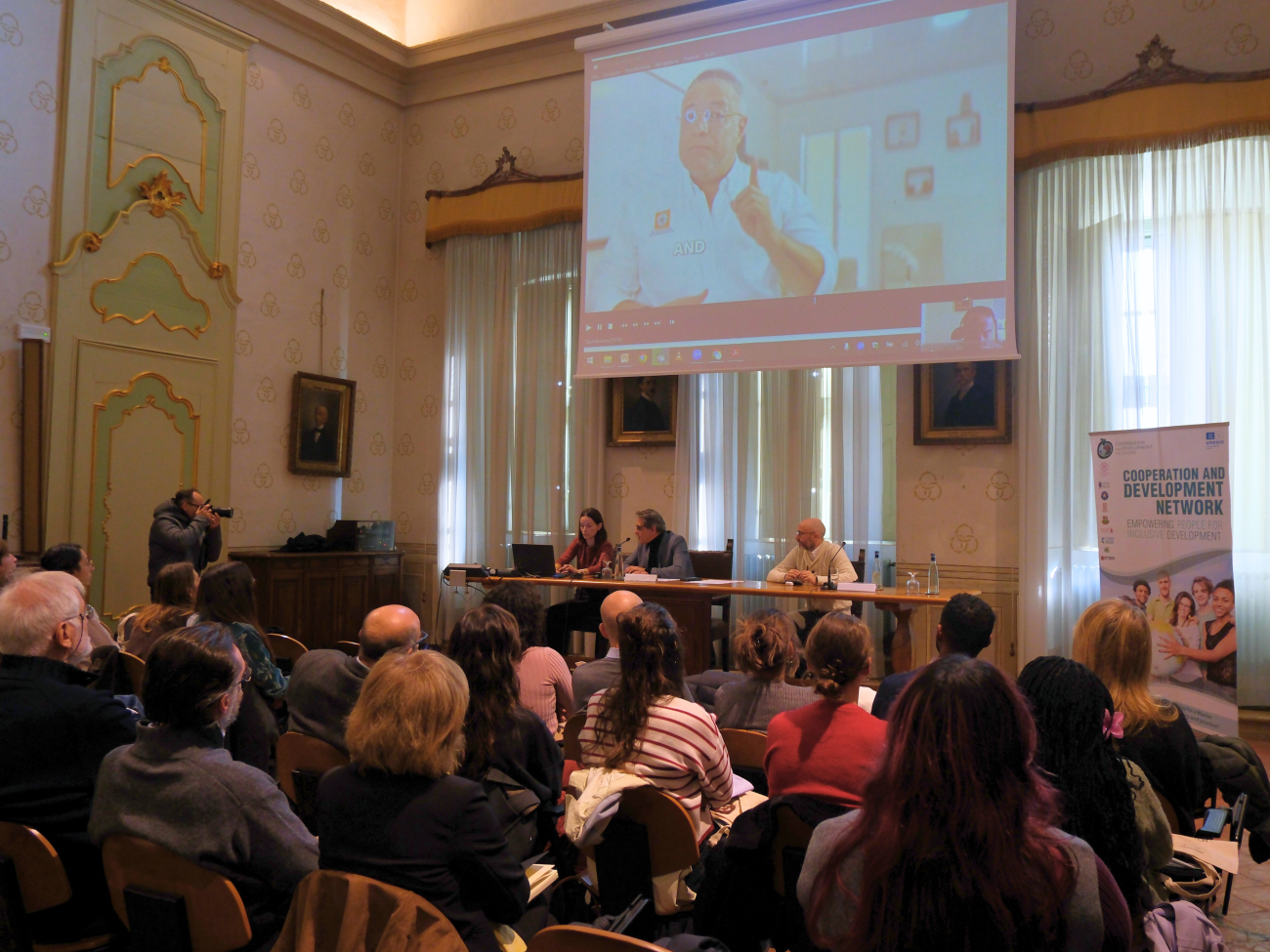
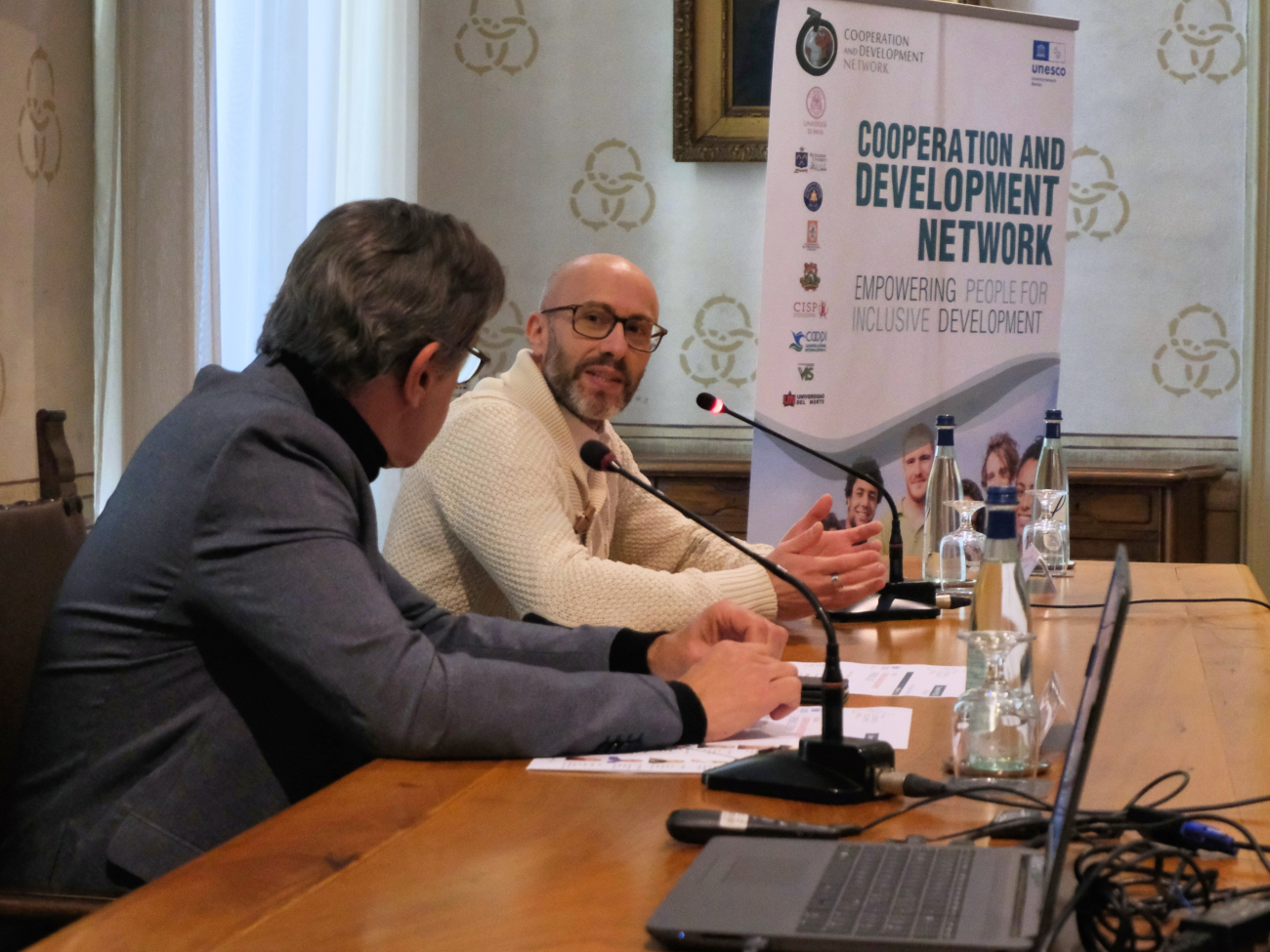
L’evento di apertura si è svolto nella Sala Bianca dell’Almo Collegio Borromeo, promotore del Master con l’Università di Pavia, che ospita gli studenti durante i primi otto mesi dedicati alla formazione teorica. La stretta collaborazione tra il mondo accademico e le organizzazioni non governative costituisce l’essenza di questo percorso annuale, che si completa con un tirocinio formativo sul campo da tre a sei mesi. Tale opportunità è resa possibile anche grazie al Cooperation and Development Network, una rete accademica che riunisce diversi programmi post-laurea presenti in Kenya, Palestina, Colombia, Nepal, Tunisia e tre tra le più importanti ONG italiane CISP, COOPI e VIS.
Studenti da quindici Paesi
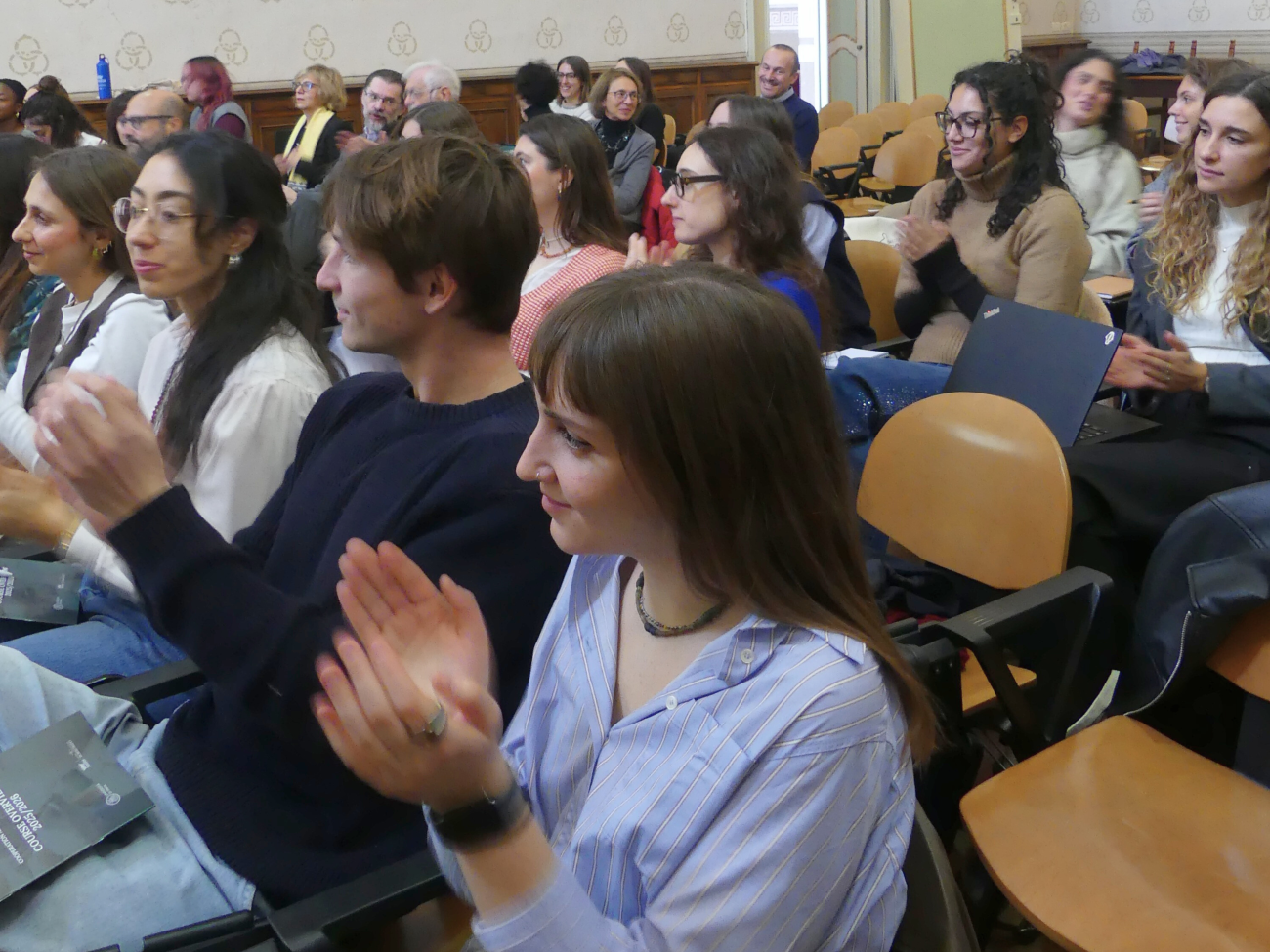
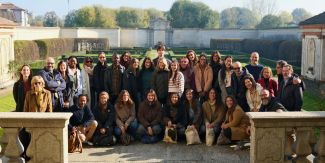
I corsi coinvolgono studenti provenienti da tutto il mondo, con background accademici e culturali differenti. Quest’anno il Master accoglie 32 matricole provenienti da 15 Paesi. Tra loro c’è Amir, originario del Sudan, che ha scelto questo percorso per approfondire le competenze maturate in agricoltura e sicurezza alimentare applicabili in contesti segnati da povertà e conflitti, come il suo Paese d’origine. Flavia si è laureata a Pavia in International Development and Economic Policy e ha deciso di proseguire con il Master per maturare gli strumenti necessari ad affrontare le sfide sociali e ambientali contemporanee. Gabriela ha maturato in Colombia una solida formazione in Scienze Politiche, ha scelto questo programma attratta dalla grande opportunità di ripensare ciò che deve essere fatto su scala internazionale, “in un mondo in cui nessuno può agire da solo”.
“Credere in un mondo diverso”
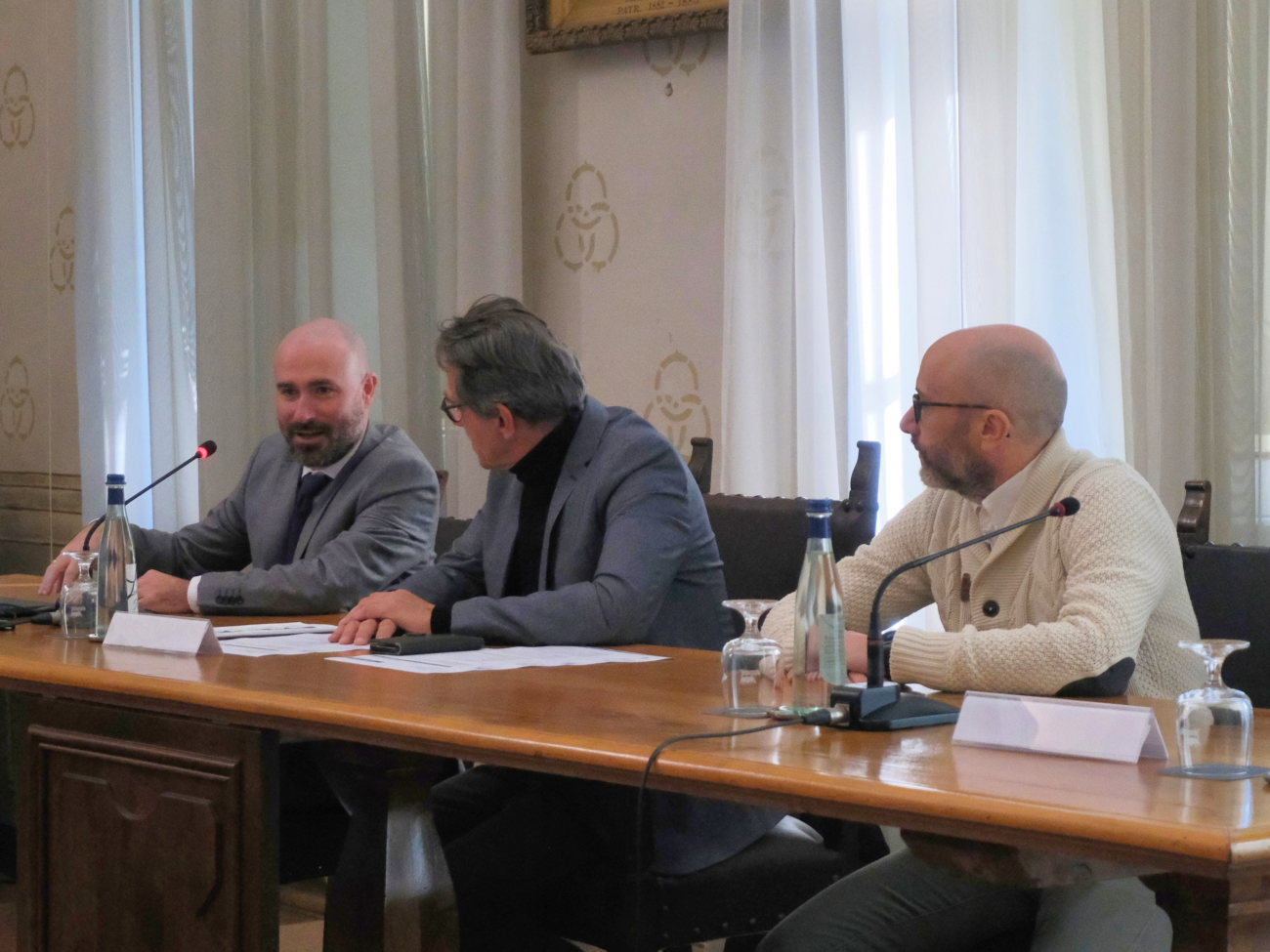
La cerimonia si è aperta con i saluti del Prorettore agli Affari Internazionali, Matteo Alvaro, che ha ricordato come «viviamo in tempi complessi, in cui le sfide globali - dai conflitti alle crisi economiche, dal cambiamento climatico ai diritti umani - richiedono forze concrete e una visione condivisa». Il Rettore dell’Almo Collegio Borromeo, Alberto Lolli, si è rivolto agli studenti: «La vostra presenza qui oggi è la prova che la speranza non è svanita: ha solo cambiato forma, diventando impegno, studio e solidarietà. Questo Master non è solo un programma accademico, ma un modo per credere nella possibilità di un mondo diverso».
Elisa Masi, Technical Officer for Human Development dell’Agenzia Italiana per la Cooperazione allo Sviluppo (AICS), ha ripercorso cooperazione e progetti costruiti con l’Università di Pavia, sottolineando l’importanza delle istituzioni accademiche nel lavorare a un futuro più sostenibile, in cui studenti come loro saranno protagonisti. Andrea Pichelli, Direttore GLOBEC (Center of Global Strategic Engagement) UniPv, ha sottolineato quindi il valore di alleanze e sinergie su scala internazionale, ricordando che «La cooperazione per lo sviluppo è uno stile di vita, e questo è il momento in cui iniziare a costruire le connessioni e le reti su cui si baserà il futuro».
Il Direttore del Master Marco Missaglia e la Coordinatrice Maria Benotti hanno illustrato il programma e le finalità del Master - storicamente il primo avviato presso l’Università di Pavia - che risponde a due domande fondamentali: perché e come. «Il primo passo - spiegano - è studiare natura e dinamiche delle disuguaglianze globali, affrontate attraverso la parte accademica del percorso. Il secondo è comprendere in che modo agire concretamente per contribuire al cambiamento, un aspetto che trova piena espressione nel tirocinio finale presso una delle realtà partner».
Ripensare la cooperazione
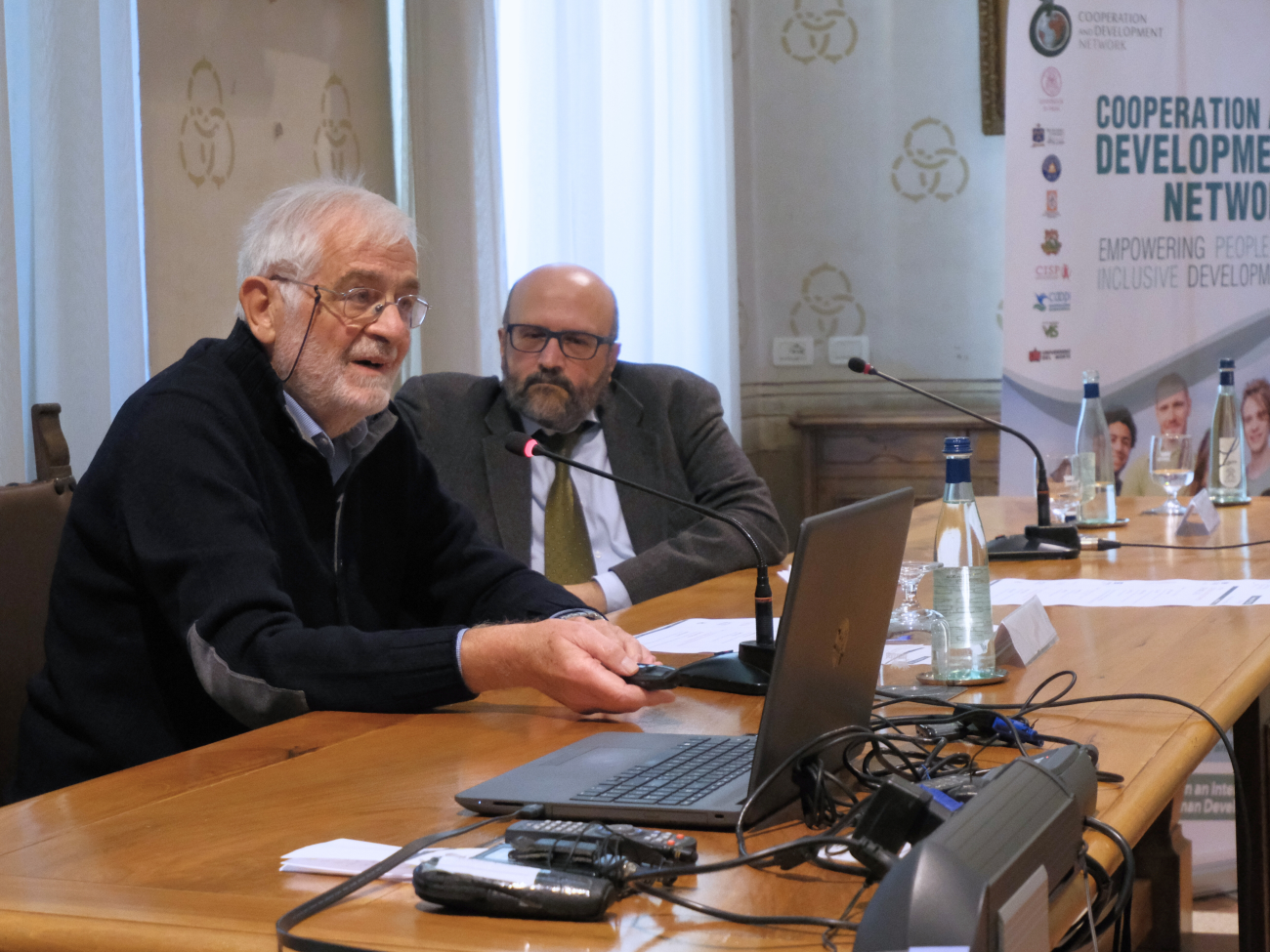
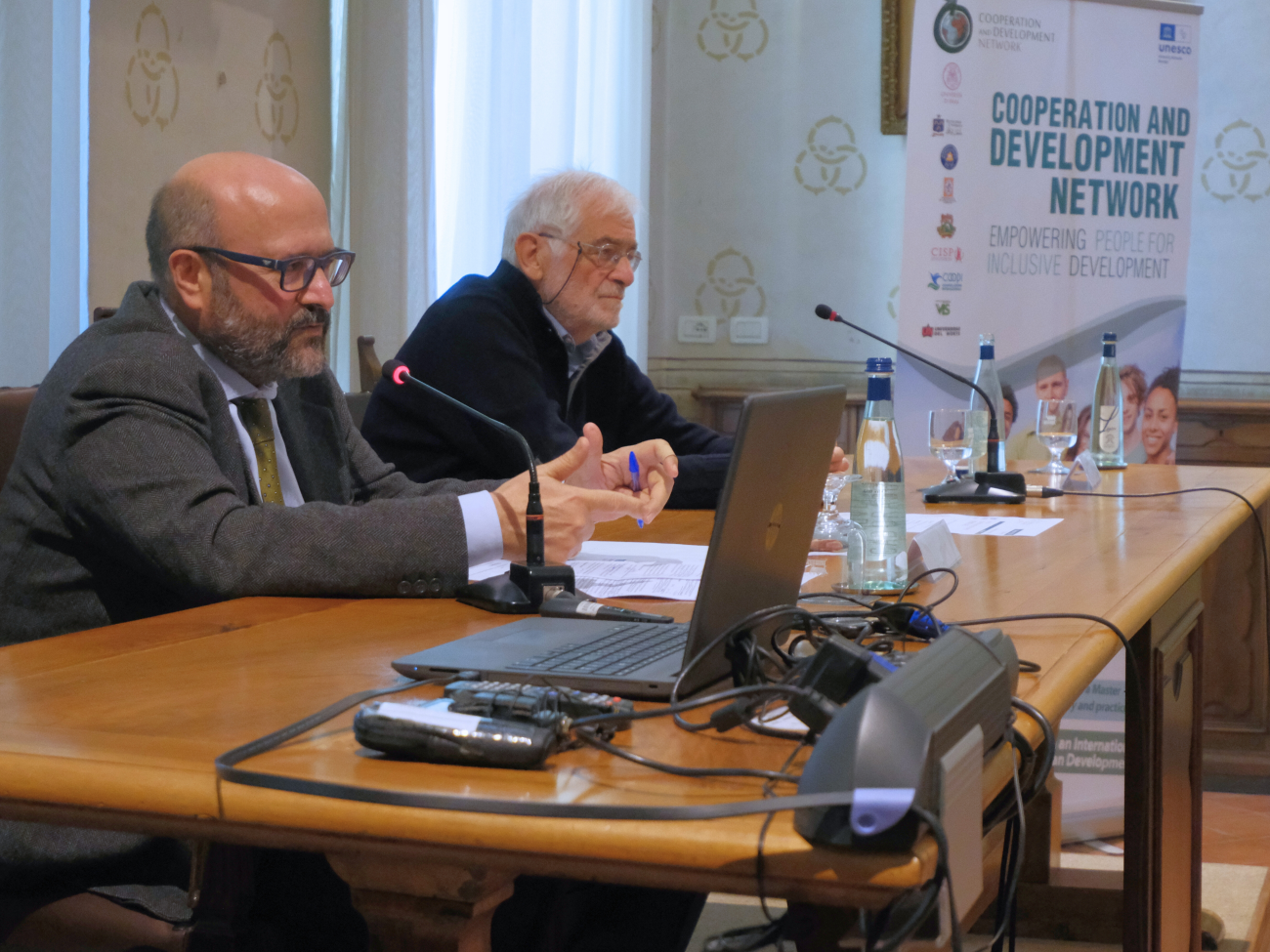
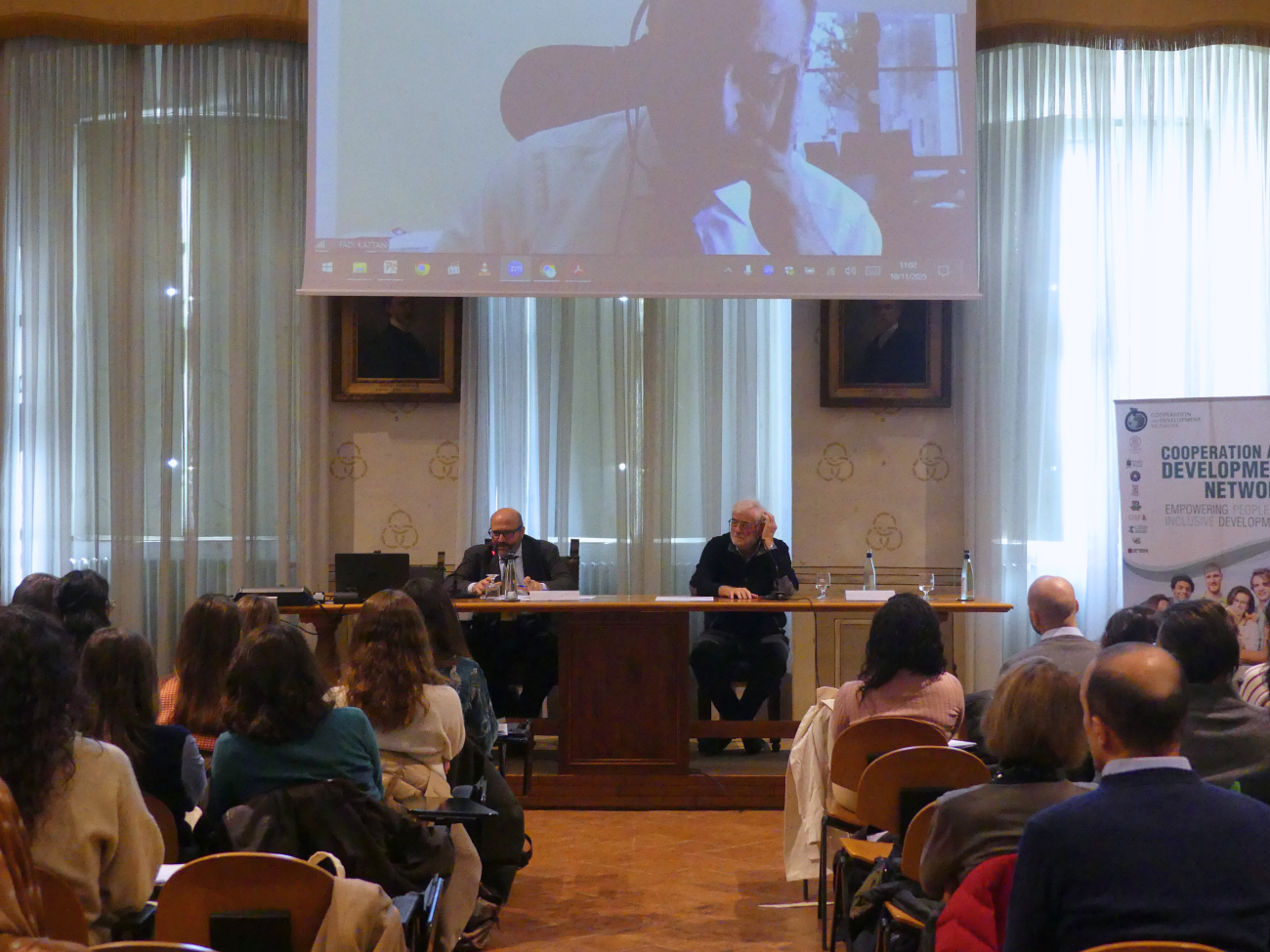
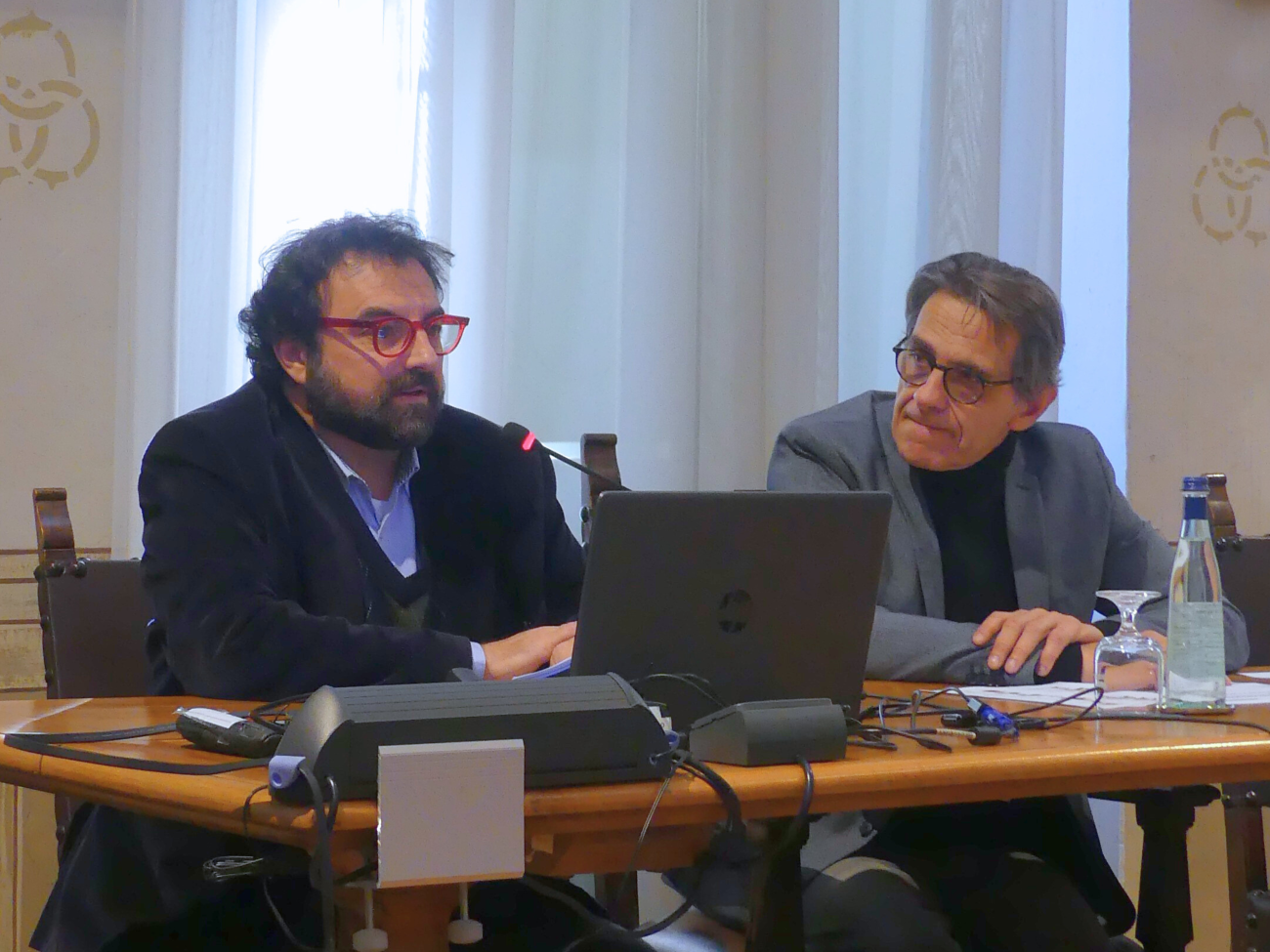
Dopo i saluti dalle università del Cooperation and Development Network e dei rappresentanti di CISP, COOPI e VIS - la mattinata si è conclusa con la lectio magistralis “Ripensare la cooperazione in tempo di crisi” tenuta da Sandro De Luca, Vicepresidente del CISP e Presidente del consorzio LINK 2007, e di Gianni Vaggi, fondatore del Master e referente dell’ UNESCO-UNITWIN Network.
«In un’epoca segnata da instabilità economica, nazionalismi e conflitti, l’isolamento non è una prospettiva ragionevole», afferma De Luca. «La solidarietà è l’ingrediente essenziale per ricostruire la reputazione e la credibilità della cooperazione».
Vaggi ha allargato la riflessione alla sostenibilità della cooperazione internazionale: «Nonostante lo scenario drammatico, segnato da tagli alle risorse, il sistema multilaterale sopravviverà, perché si fonda sulla realtà - bisogni, problemi, disuguaglianze - e su valori resilienti, che connettono l’umanità. La cooperazione non è solo un atto di risposta: è il modo per rendere questa prospettiva possibile».
***
Building Bridges in Times of Crisis: the 29th edition of the Master in Cooperation and Development opens in Pavia
On Monday, November 10, the 29th edition of the Master in Cooperation and Development at the University of Pavia was officially inaugurated. Hosted by the Department of Political and Social Sciences, this international and multidisciplinary program prepares professionals to work in the fields of international cooperation and humanitarian aid.
The opening ceremony took place in the Sala Bianca of Almo Collegio Borromeo, which, together with the University of Pavia, promotes the Master and hosts students during the first eight months of theoretical training. The close collaboration between academia and non-governmental organizations lies at the heart of this one-year program, which concludes with a three- to six-month field internship. This opportunity is made possible thanks to the Cooperation and Development Network, an academic network that brings together postgraduate programs based in Kenya, Palestine, Colombia, Nepal, and Tunisia, as well as three leading Italian NGOs: CISP, COOPI, and VIS.
Students from fifteen countries
The Master welcomes students from all over the world, with diverse academic and cultural backgrounds. This year, 32 new students from 15 countries have joined the program. Among them, Amir, from Sudan, chose this path to deepen his expertise in agriculture and food security. He is determined to develop practical solutions that can be applied in areas affected by poverty and conflict, including his home country. Flavia, who graduated from Pavia in International Development and Economic Policy, decided to enroll to gain the skills needed to address today’s social and environmental challenges. Gabriela, from Colombia, has a strong background in Political Science; she chose the program for its opportunity to “reshape what needs to be done” on a global scale, “in a world where no one can act alone.”
“A way to believe in a different world”
The ceremony opened with remarks from Matteo Alvaro, Pro-Rector for International Affairs: «We live in complex times - he says - where global challenges, from conflicts to economic crises, from climate change to human rights, require concrete action and a shared vision».
Alberto Lolli, Rector of Almo Collegio Borromeo, addressed the students: «Your presence here today is proof that hope has not disappeared. It has simply changed form, becoming commitment, study, and solidarity. This isn’t just an academic program, it’s a way to believe that it’s possible to build a different world».
Elisa Masi, Technical Officer for Human Development at the Italian Agency for Development Cooperation (AICS), recalled the projects and partnerships developed with the University of Pavia. She highlighted the crucial role of academic institutions in building a more sustainable future, one in which students like these will play a leading role.
Andrea Pichelli, Director of GLOBEC (Center for Global Strategic Engagement) at UniPv, underlined the importance of international alliances and synergies, reminding participants that «Cooperation for development is a way of life, and this is the moment to start building the connections and networks on which your future will rely».
Prof. Marco Missaglia (Master Director) and Maria Benotti (Master Coordinator), presented the program’s structure and objectives of the Master, historically the first established at the University of Pavia. «It seeks to answer two key questions: why and how” they noted. “The first step is to understand the nature and dynamics of global inequalities, explored through the academic part of the program. The second is to learn how to take concrete action to contribute to change, an aspect that finds full expression in the final internship with one of our partner organizations».
Rethinking cooperation
After greetings from the universities of the Cooperation and Development Network and representatives of CISP, COOPI, and VIS, the event concluded with the lectio magistralis “Rethinking Cooperation in Times of Crisis”, delivered by Sandro De Luca, Vice-President of CISP and President of LINK 2007, and Gianni Vaggi, founder of the Master and Coordinator of the UNESCO-UNITWIN Network.
«In an era marked by economic instability, nationalism, and conflict, isolation is not a reasonable option,” said De Luca. “Solidarity is the essential ingredient for rebuilding the reputation and credibility of cooperation.”
Vaggi broadened the reflection to the sustainability of international cooperation: “Despite the current difficult scenario, marked by resource cuts, the multilateral system will endure, because it is grounded in reality - needs, challenges, inequalities - and in resilient values that unite humanity. Cooperation is not merely a response; it is the way to make this vision possible».