Al via l’Africa-Europe Youth Academy, per formare nuovi giovani leader africani
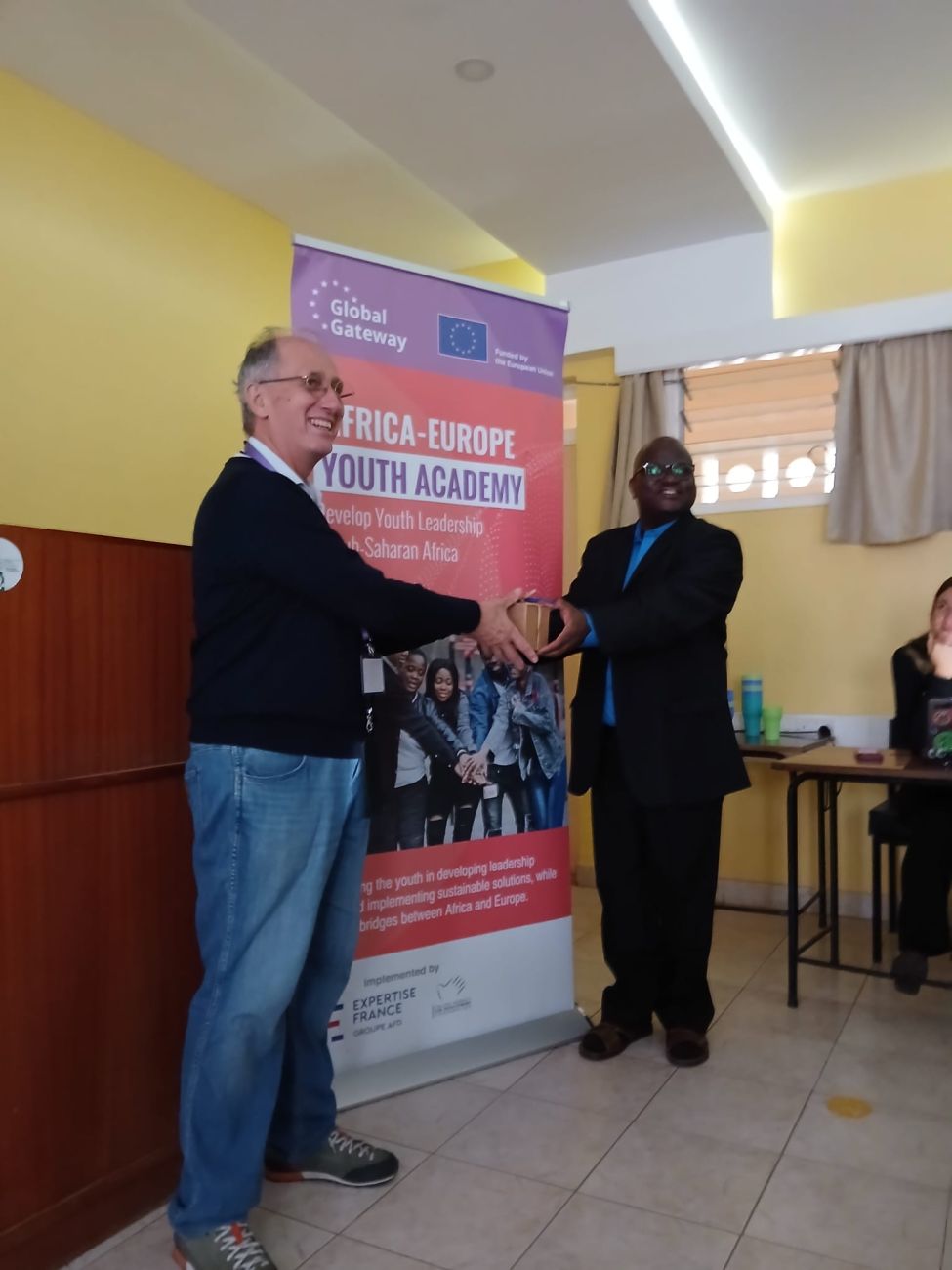
(English below) L’autunno 2026 segna l’avvio della Africa-Europe Youth Academy, iniziativa finanziata dall’Unione Europea per sostenere la formazione, la leadership e l’imprenditorialità di giovani tra i 18 e i 30 anni in circa 20 Paesi dell’Africa subsahariana. Implementata da Expertise France come capofila, in partnership con l’Agenzia Italiana per la Cooperazione allo Sviluppo (AICS), e col supporto dell’Università di Pavia, l’Università degli Studi di Torino e l’Istituto Universitario Europeo, l’iniziativa mira a coinvolgere oltre mille giovani leader provenienti da venti Paesi africani, offrendo loro competenze, opportunità e reti per costruire il proprio futuro e rafforzare i legami tra Africa ed Europa. L’Università di Pavia è responsabile del consorzio dedicato all’Africa orientale, che comprende Etiopia, Kenya, Uganda e Tanzania.
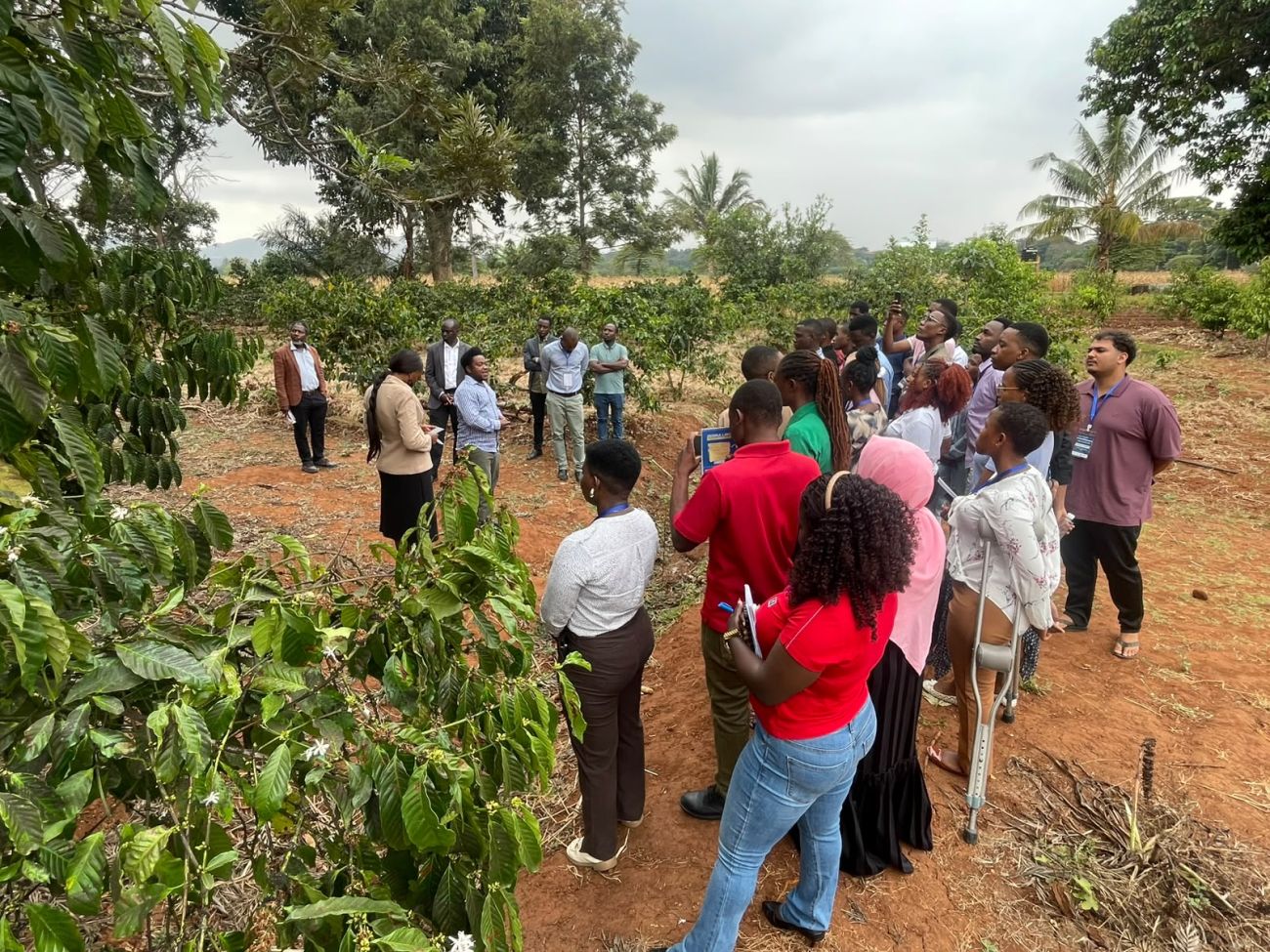
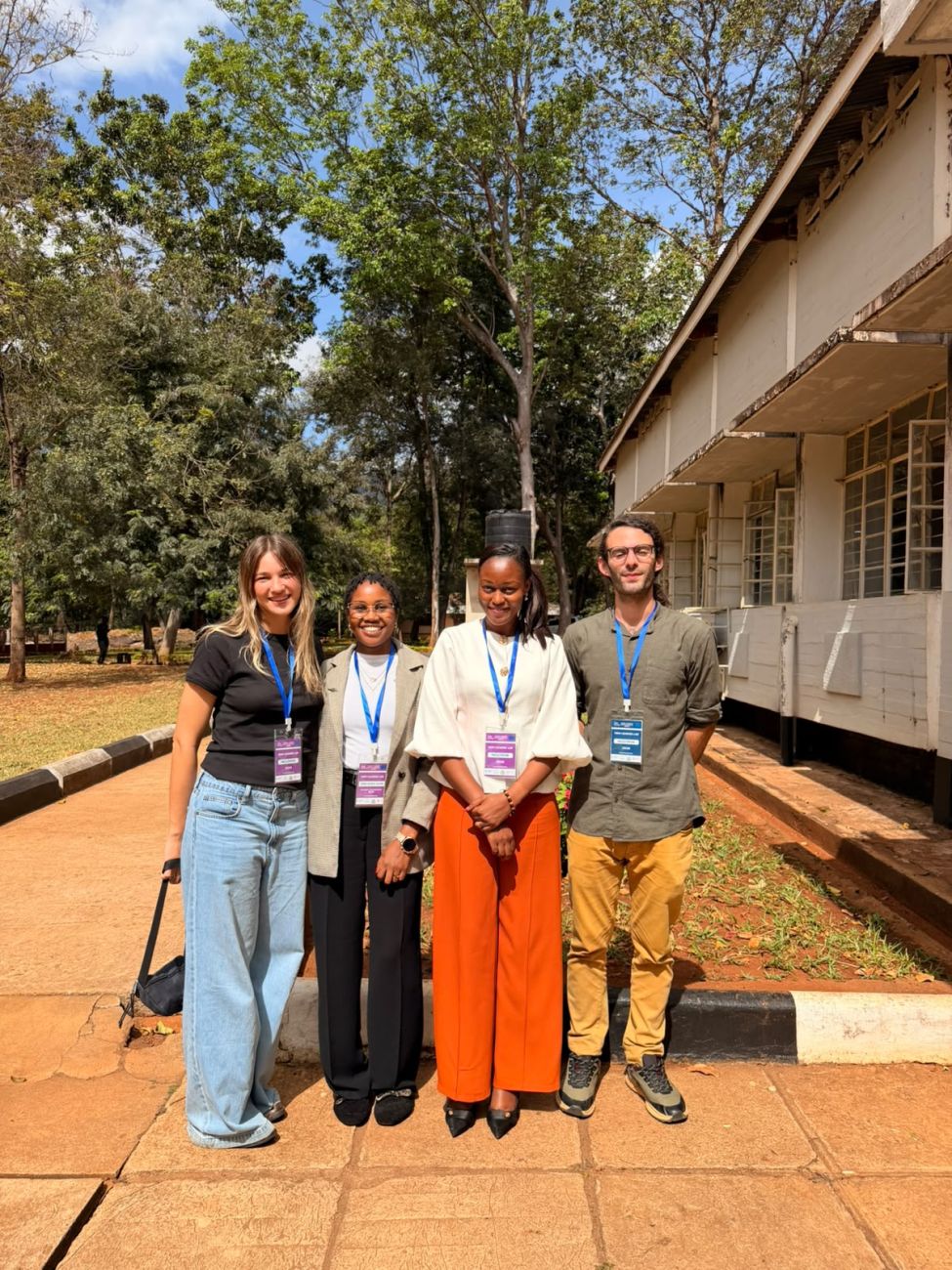
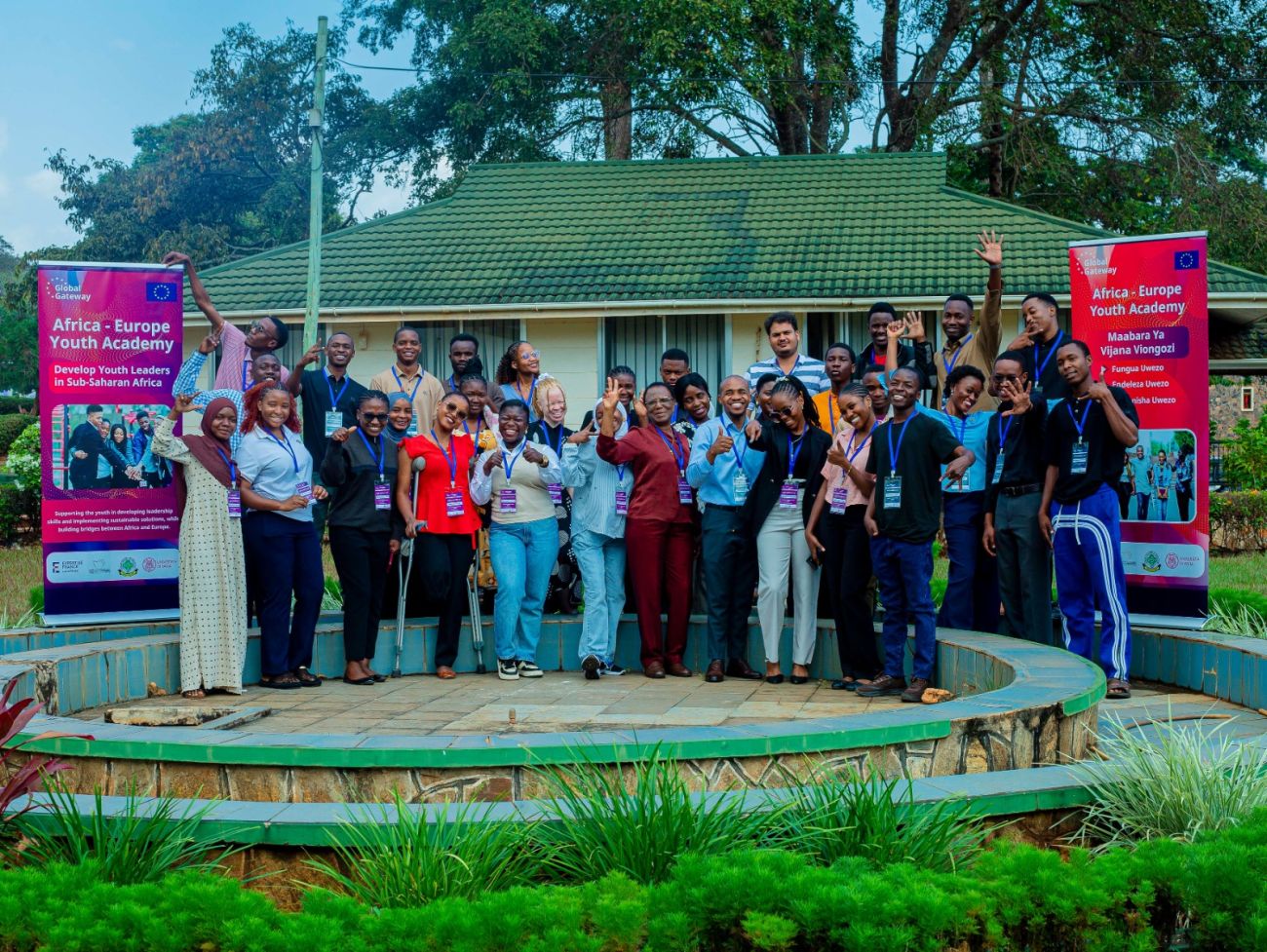
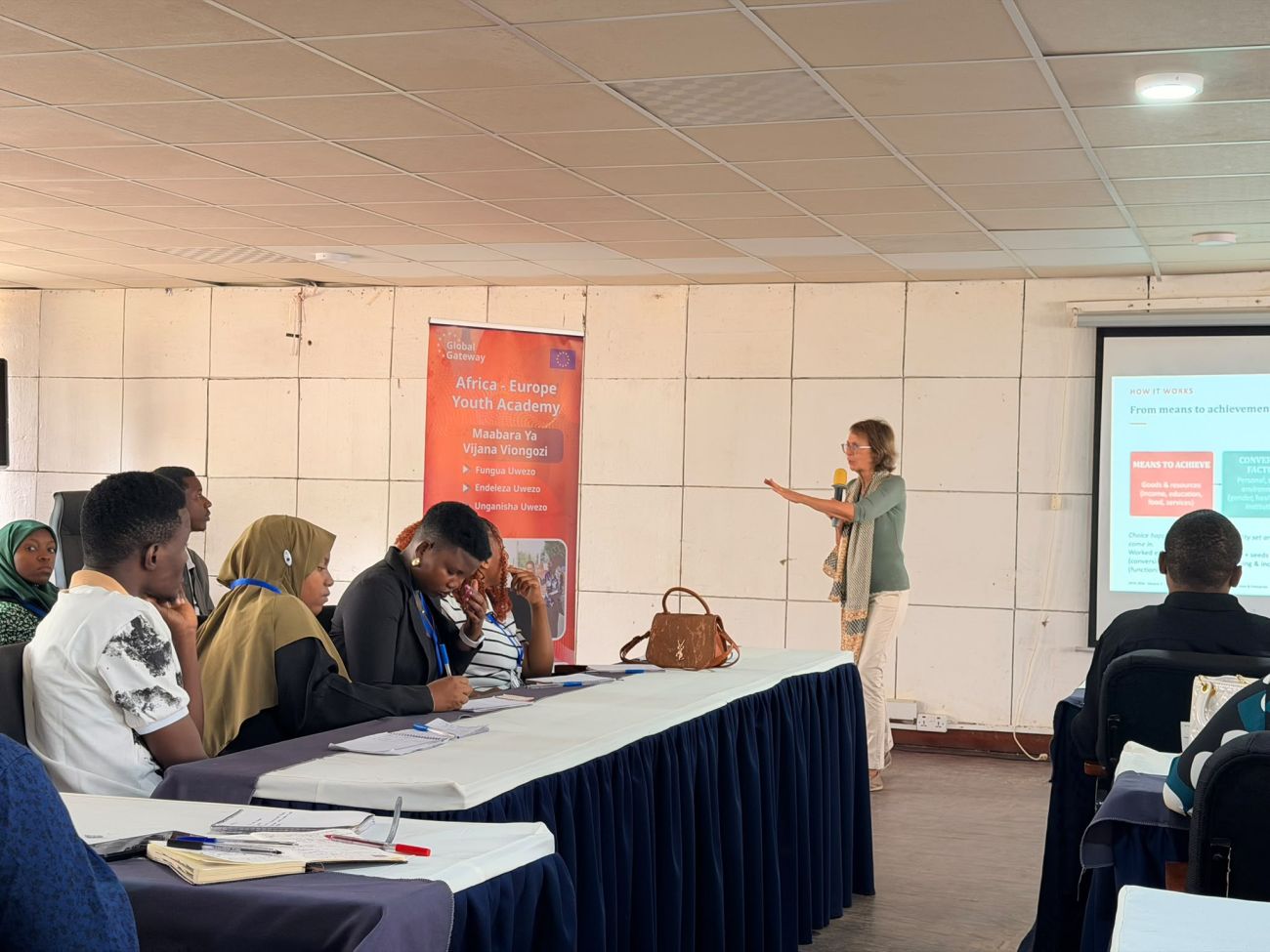
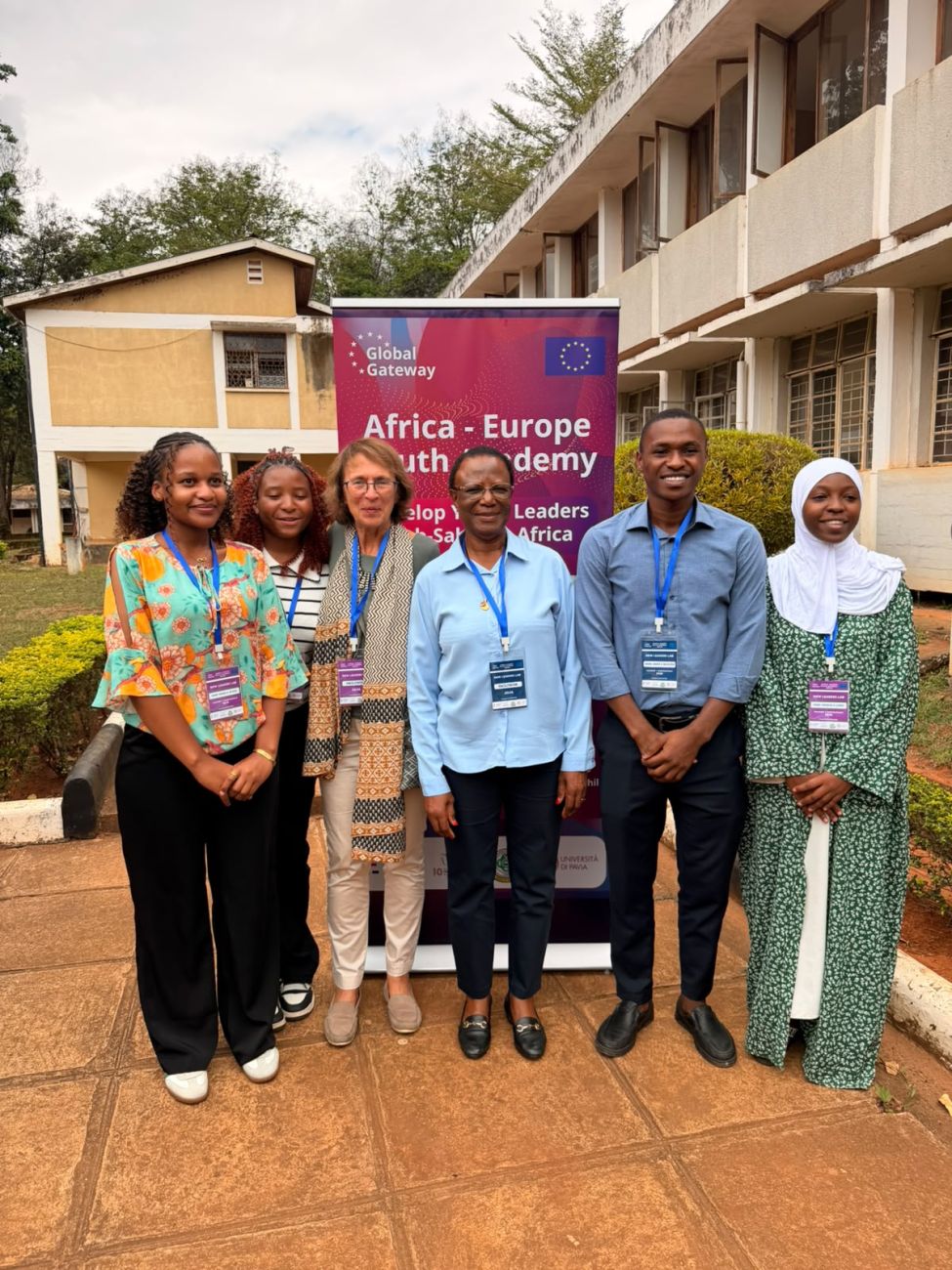
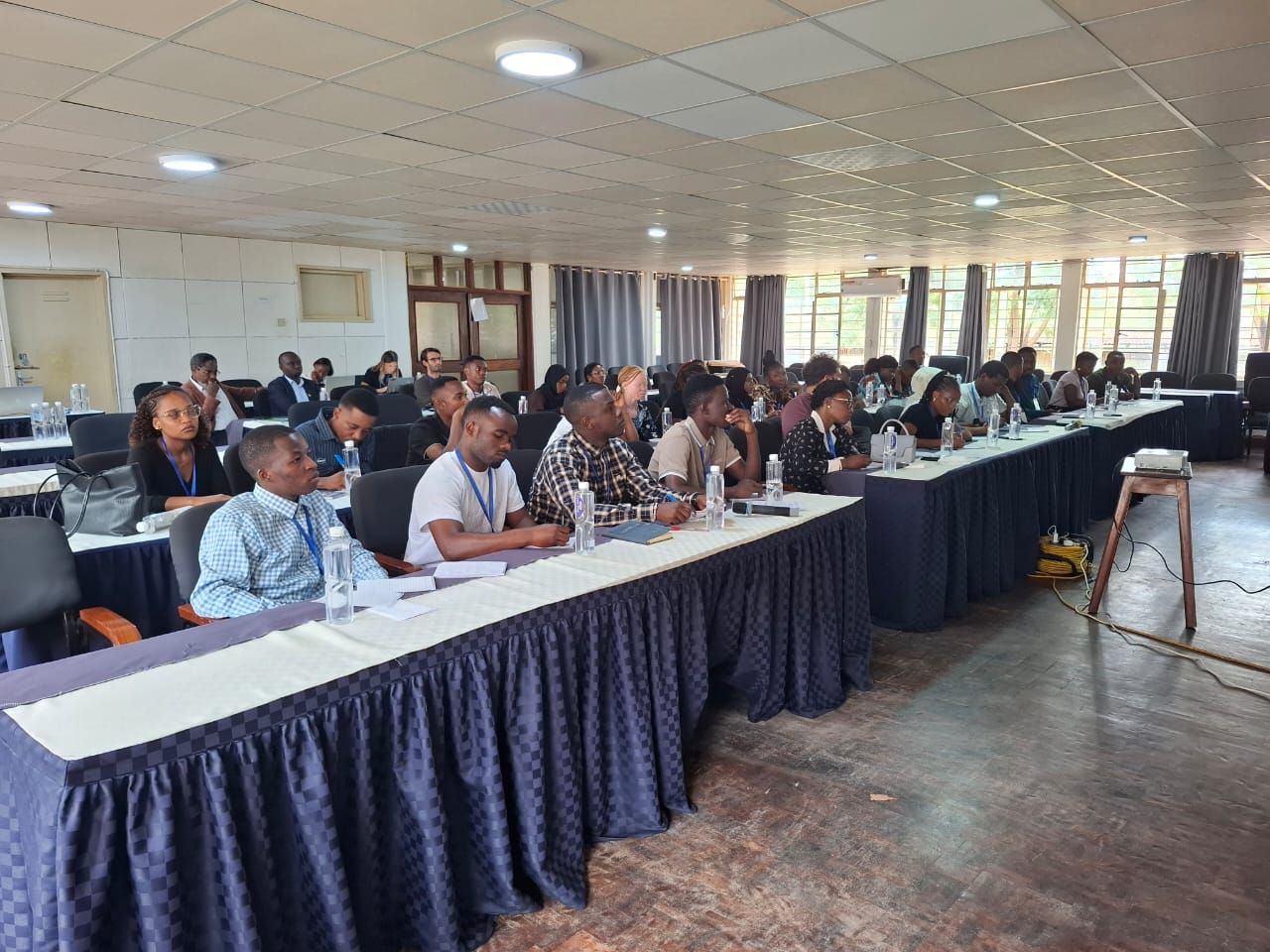
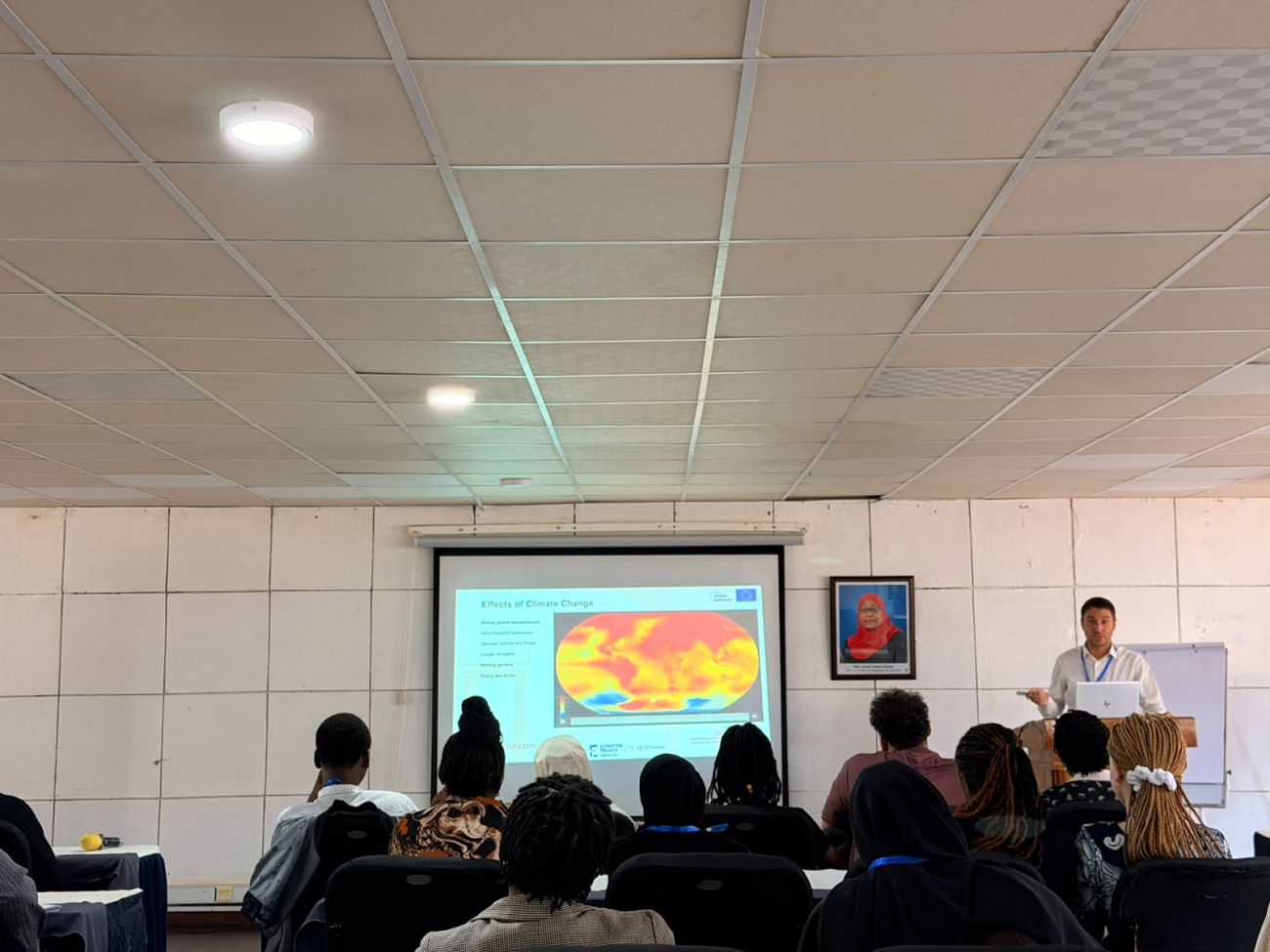
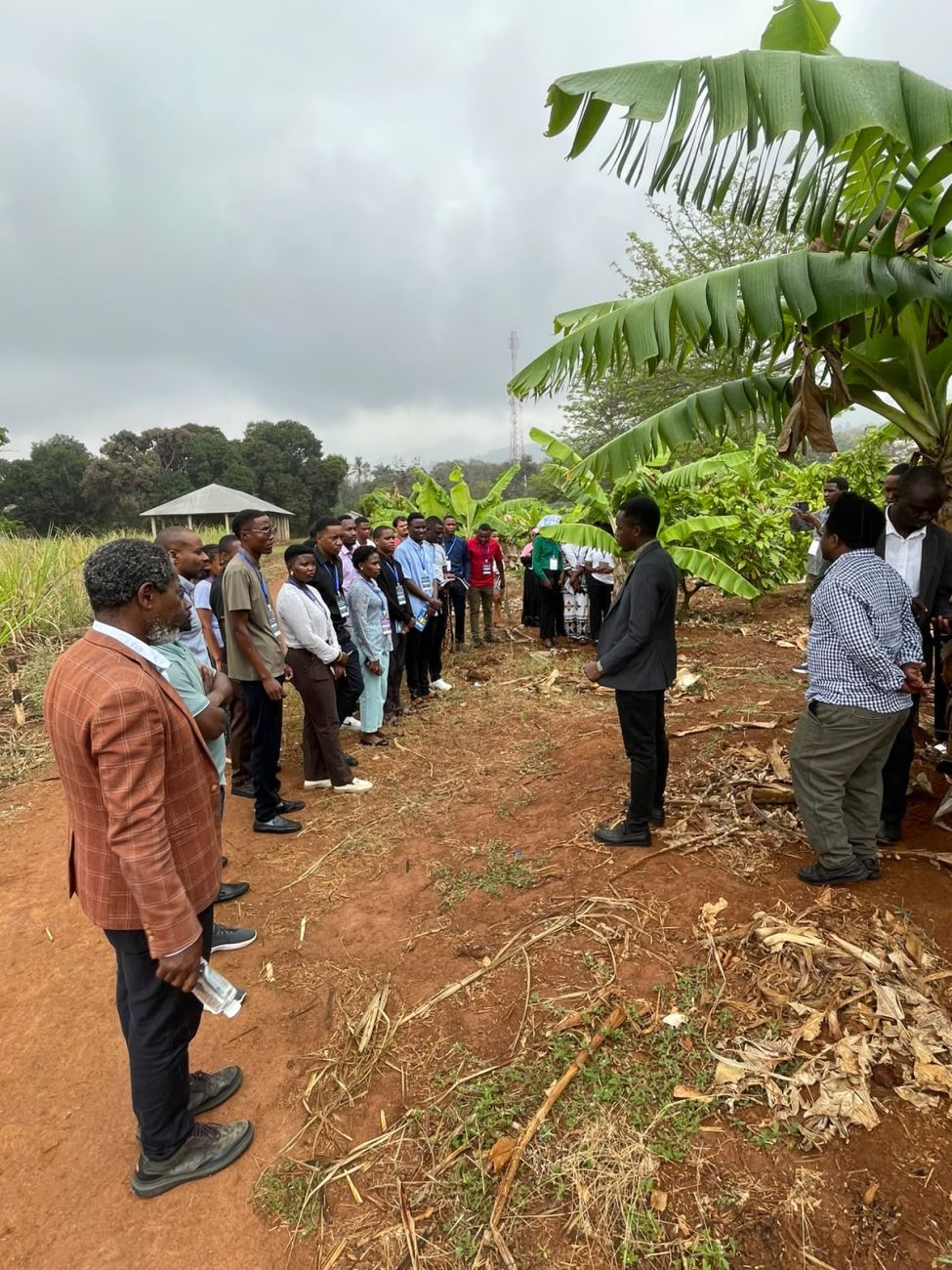
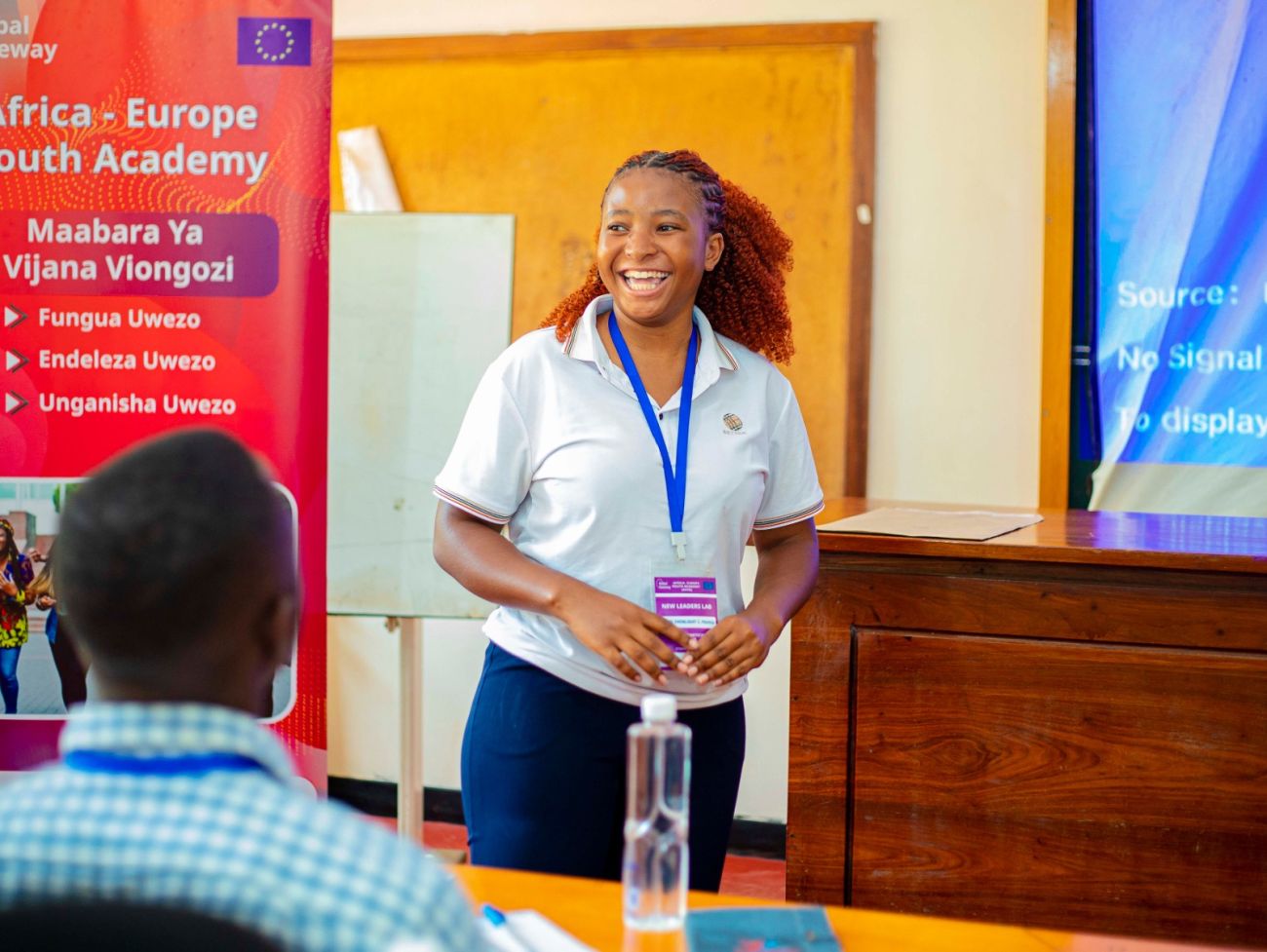
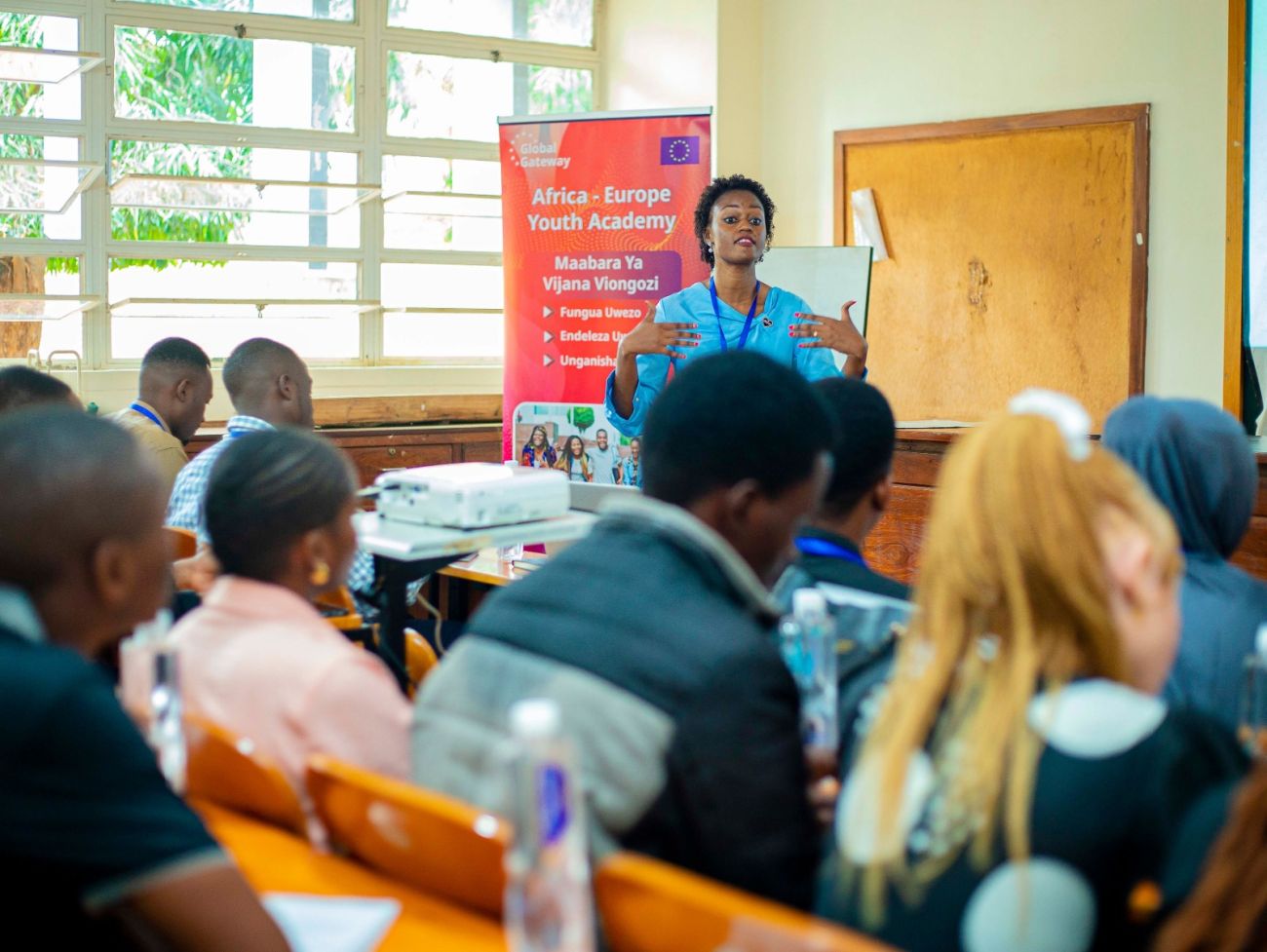
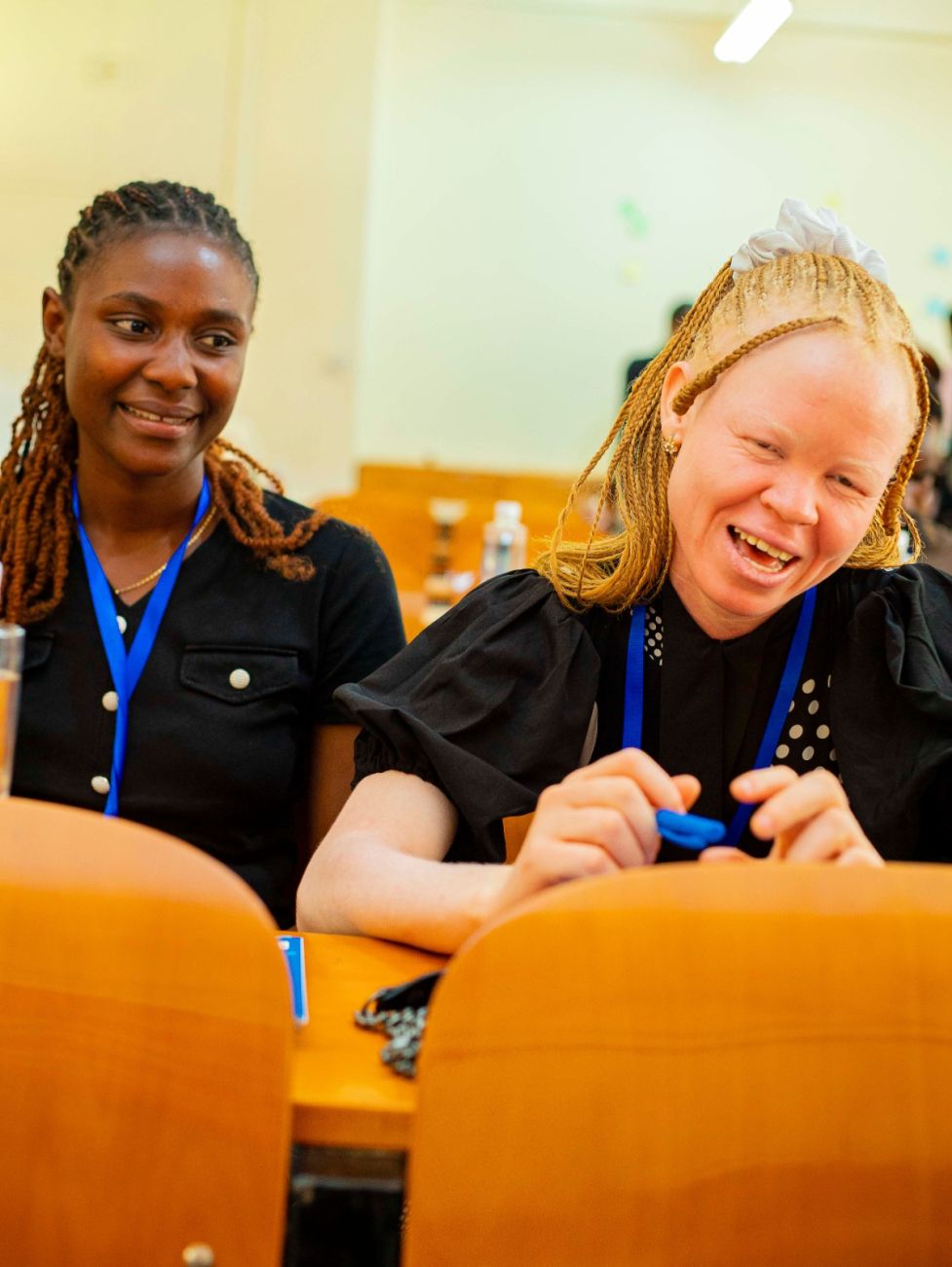
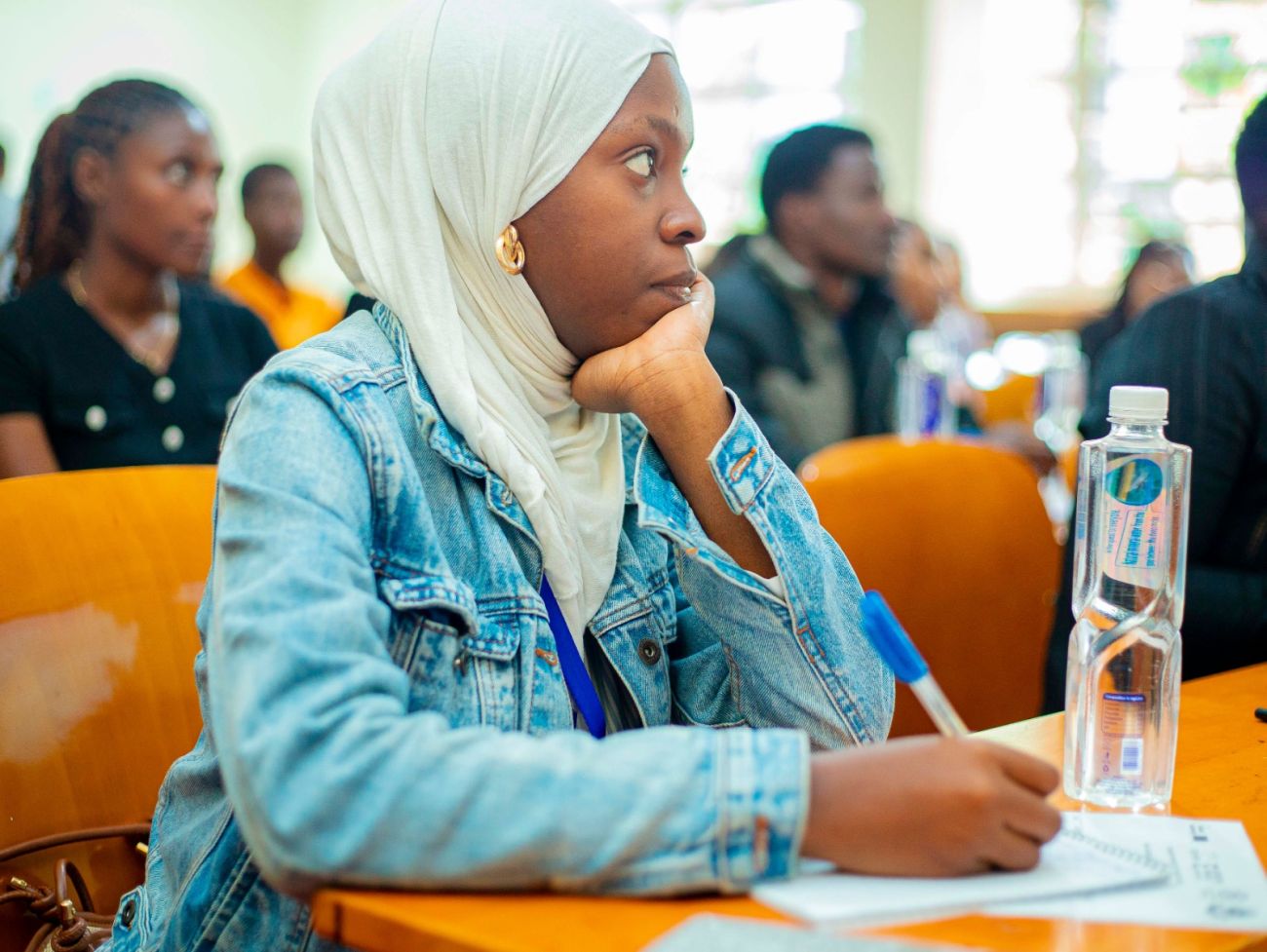
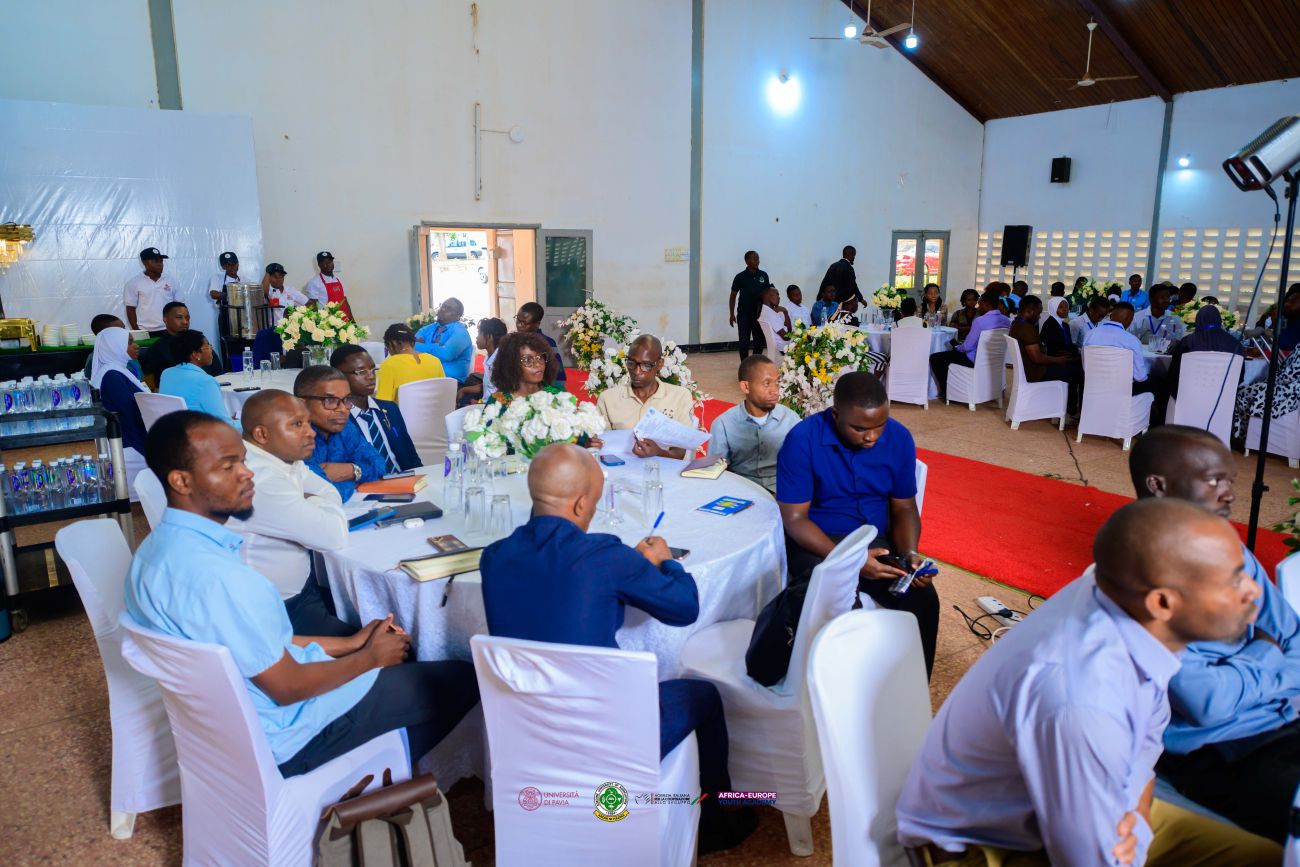
Proprio in quest'ultimo Paese si è tenuto a settembre il lancio ufficiale del primo New Leaders Lab, ospitato dalla Sokoine University of Agriculture. Al kick-off e alla successiva formazione ha preso parte una delegazione dell'Università di Pavia composta dalla prof.ssa Enrica Chiappero e dal prof. Simone Orsenigo e dai dottorandi Giacomo Baldesi e Ilaria Zambon. Al loro fianco i colleghi tanzaniani Innocent Sanga, Agness Charles Kandonga e la prof.ssa Joyce Kinabo, che hanno fornito un importante supporto alle attività didattiche. Il percorso ha coinvolto una coorte di 30 giovani - selezionati tra oltre 300 candidati - sui temi della leadership e dello sviluppo sostenibile.
Tanzania: primo New Leaders Lab e Hackathon
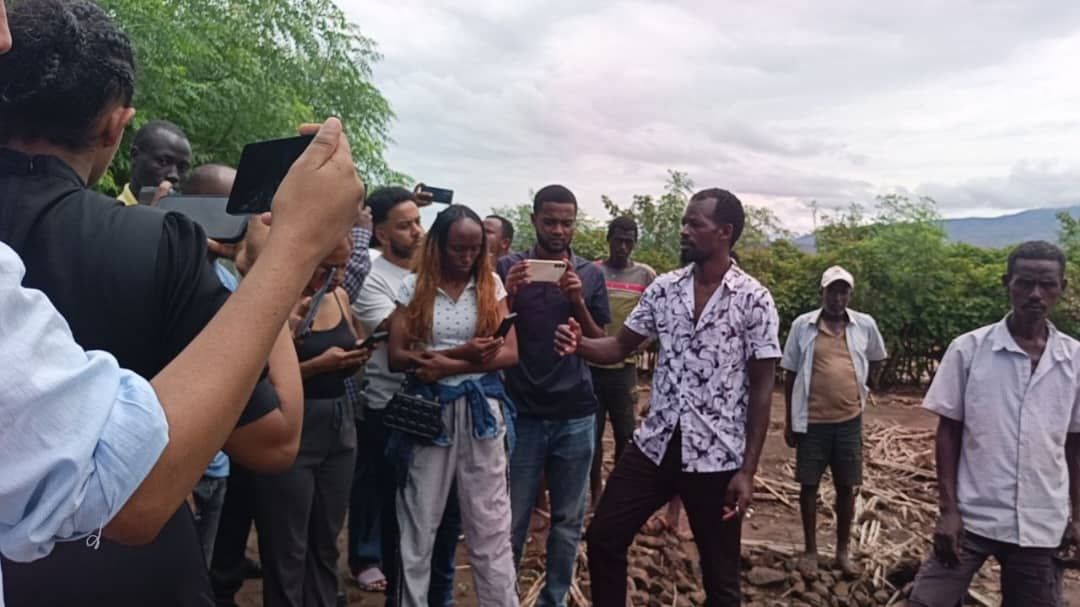
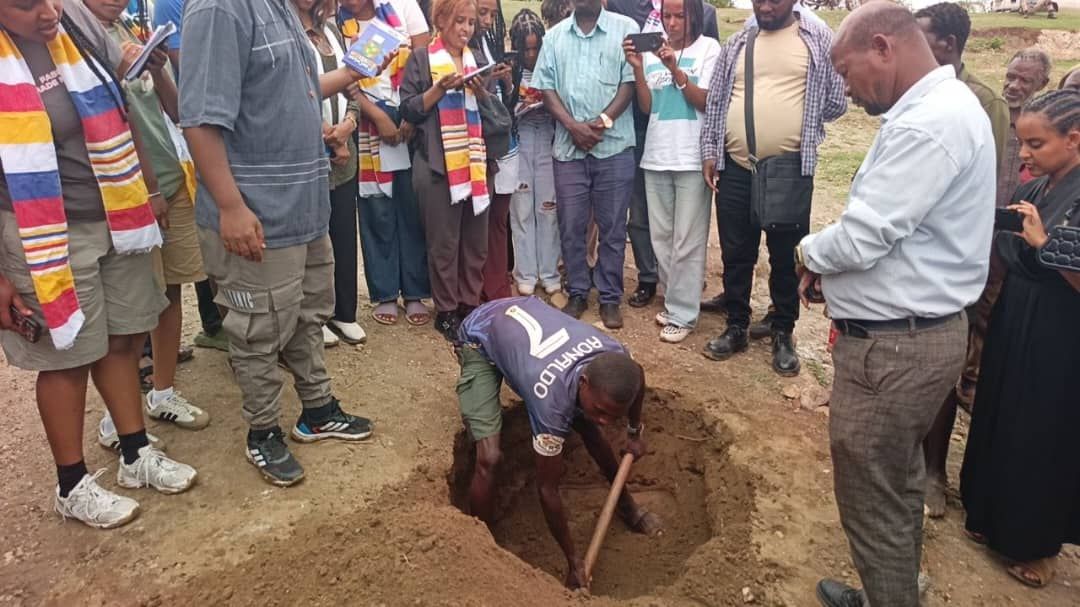
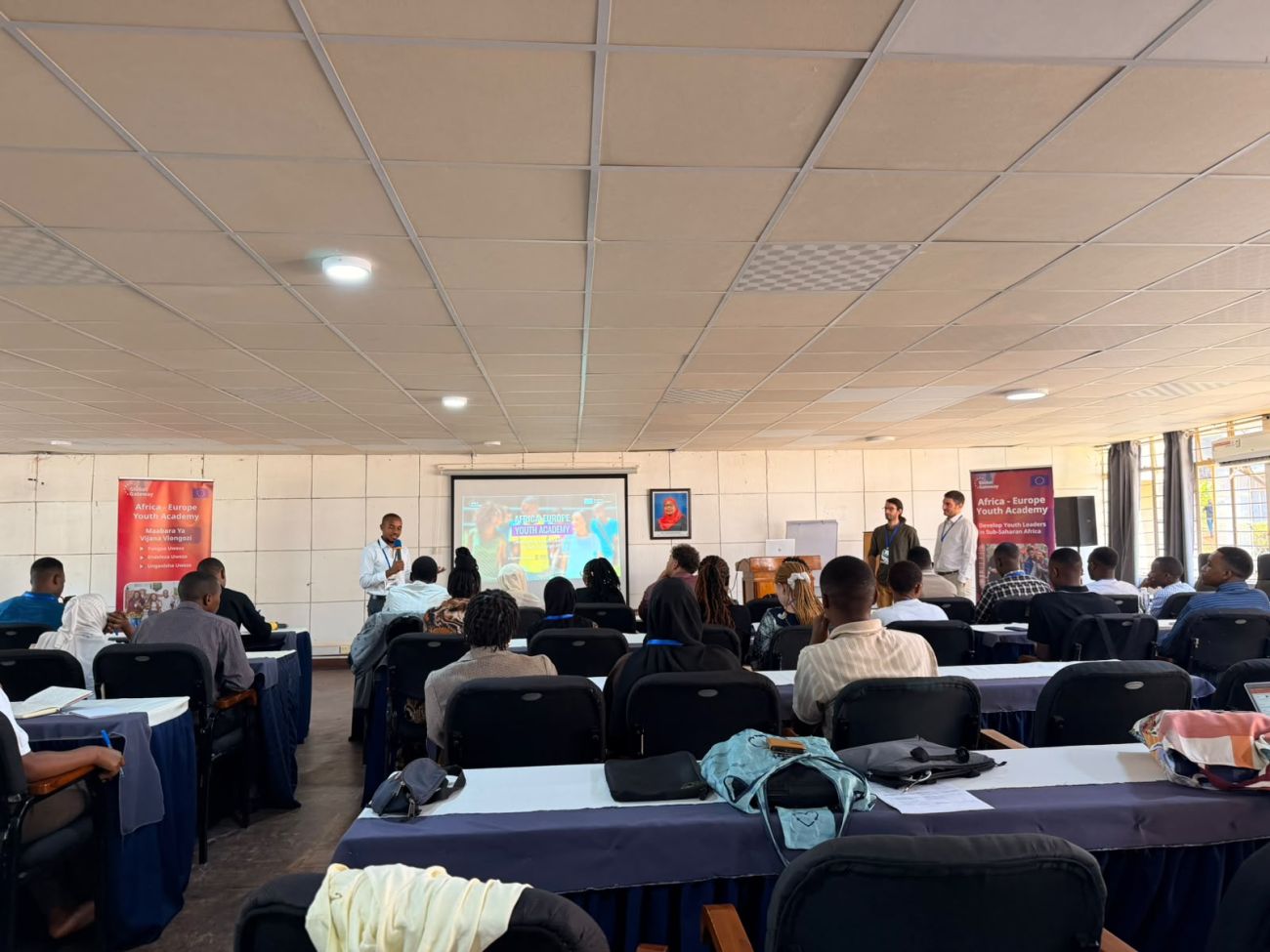
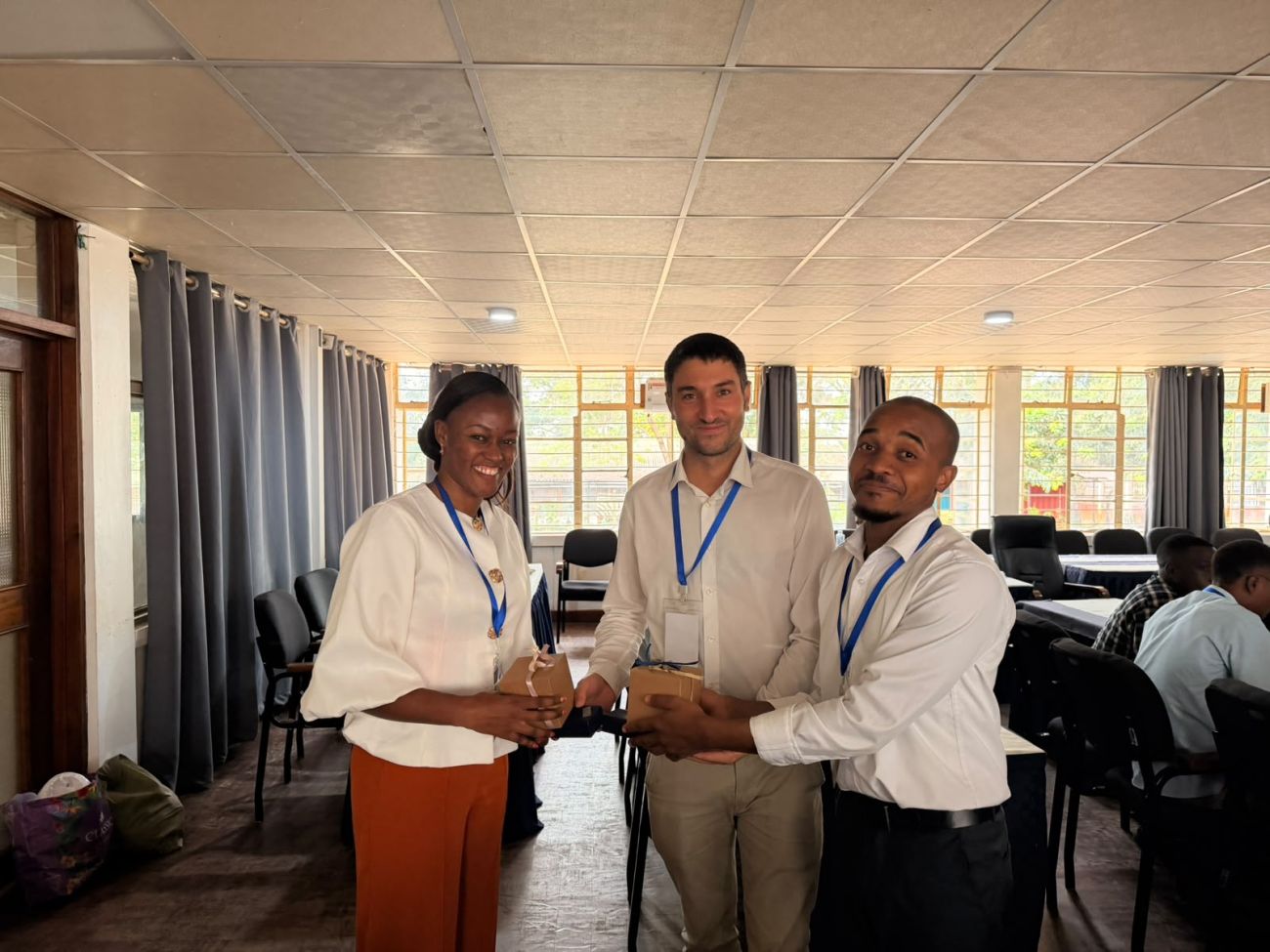
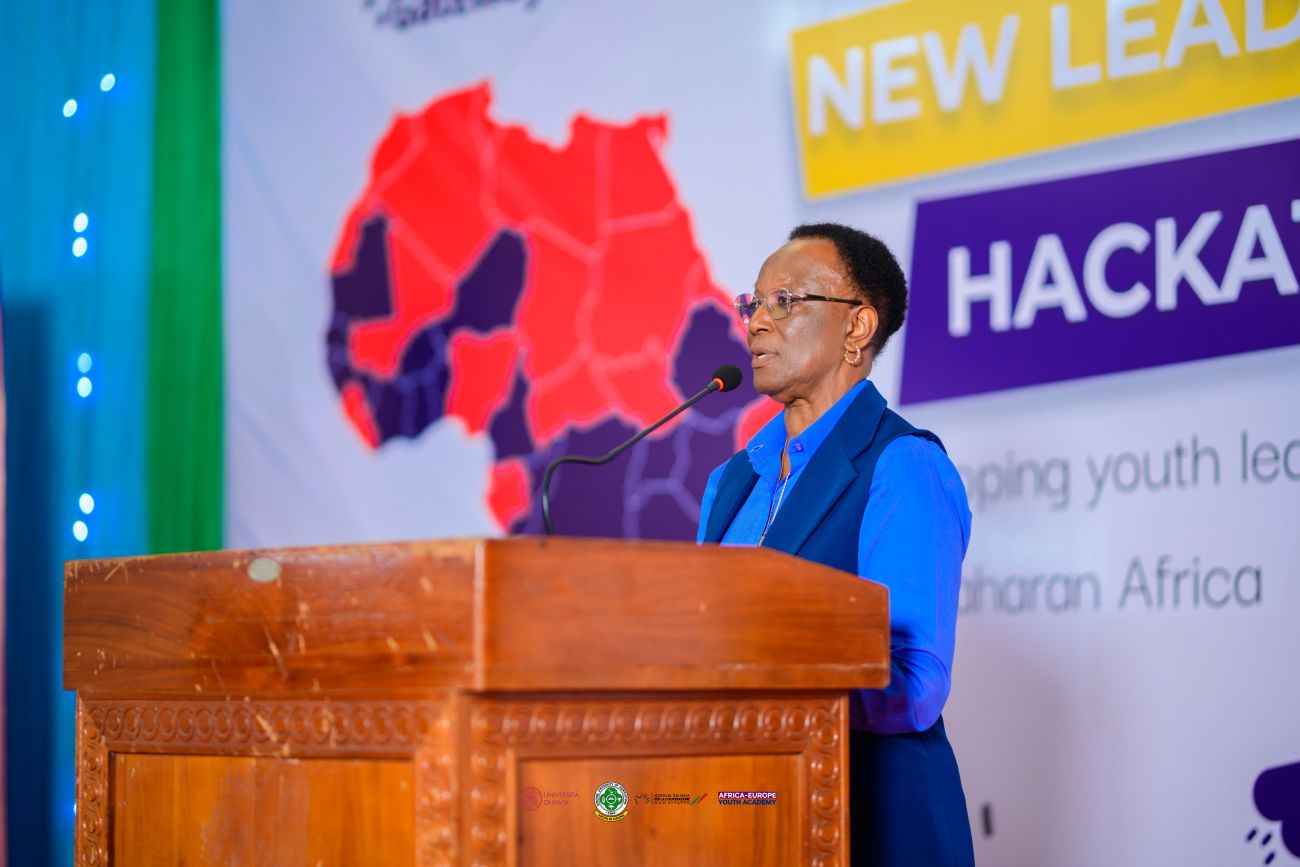
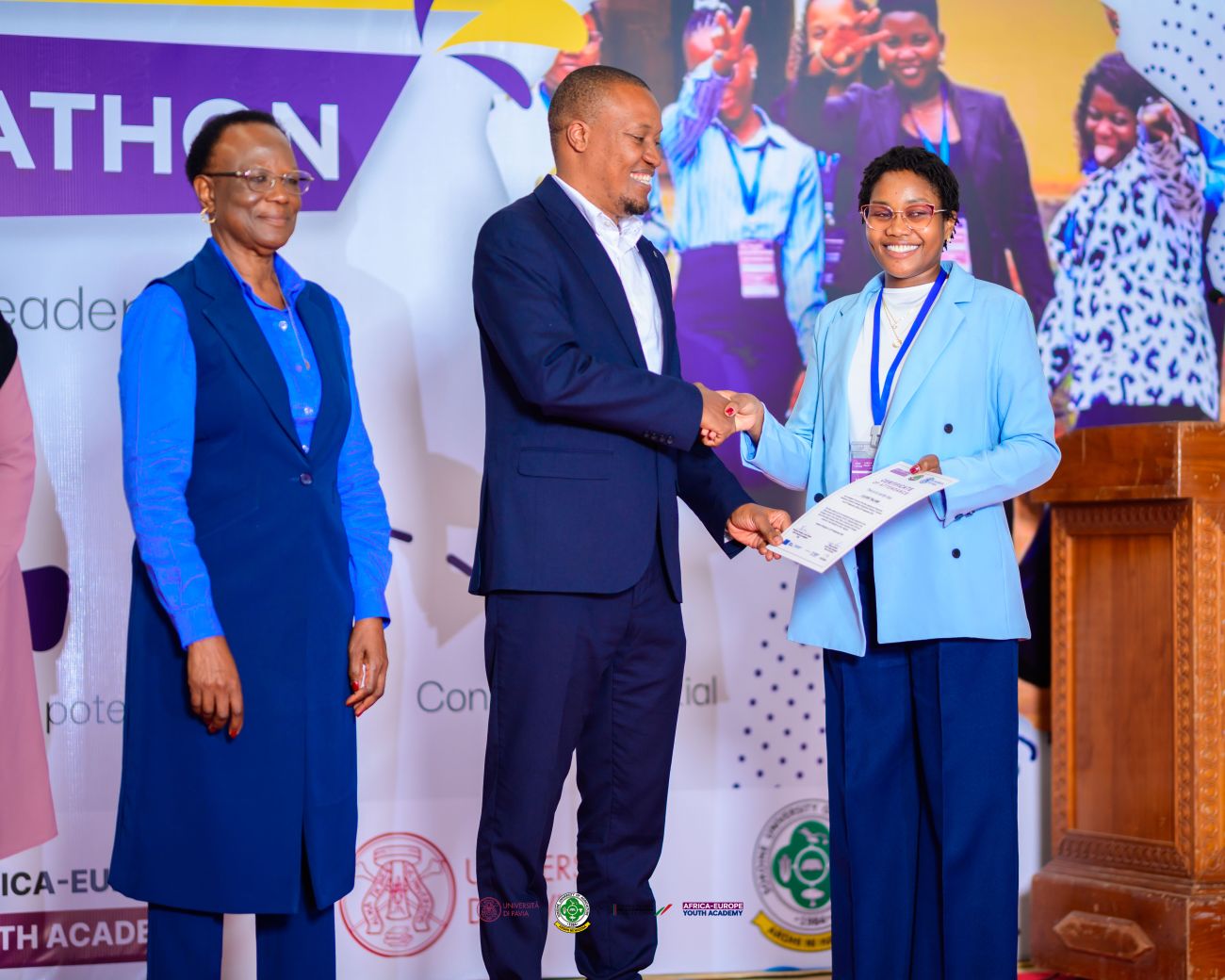
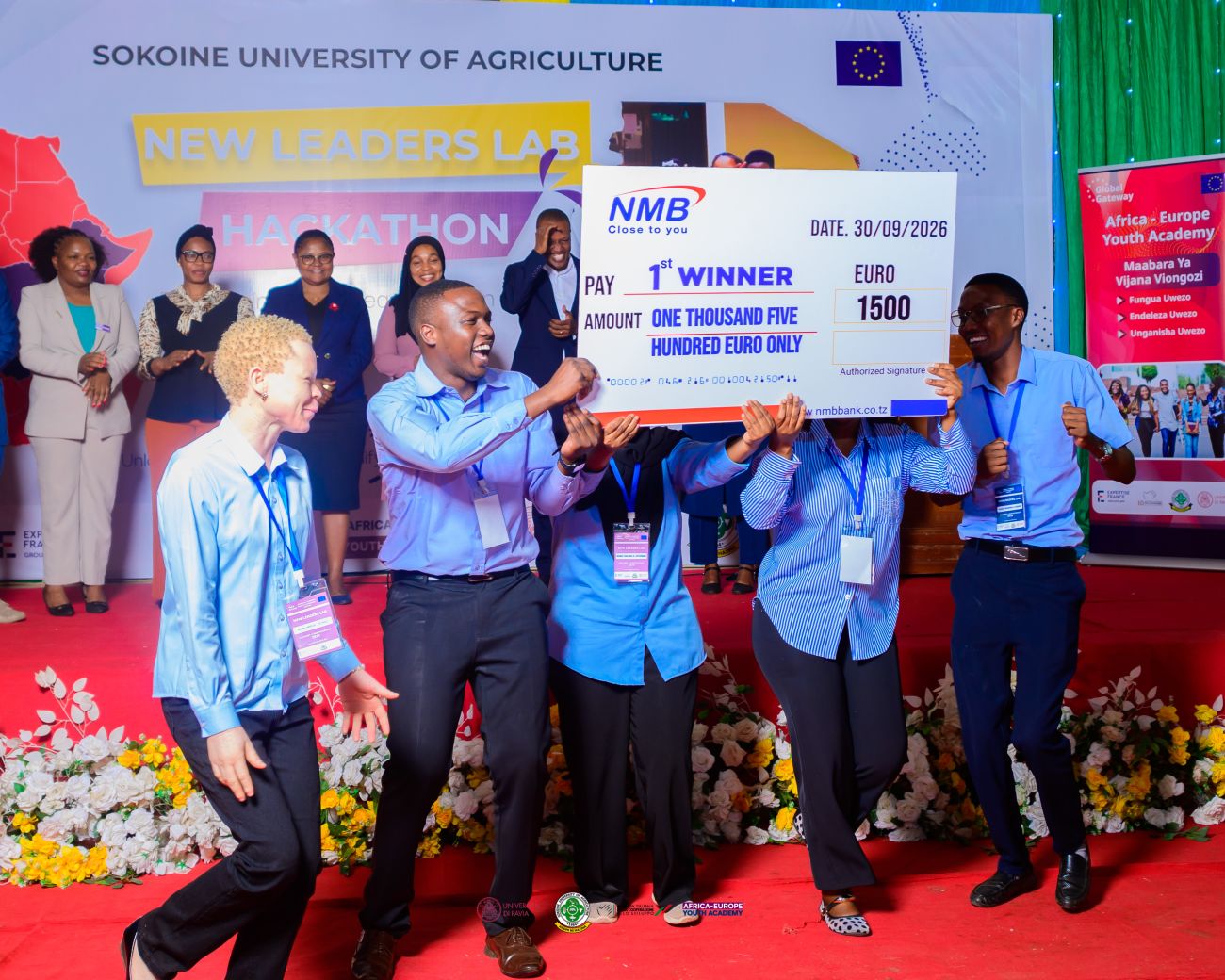
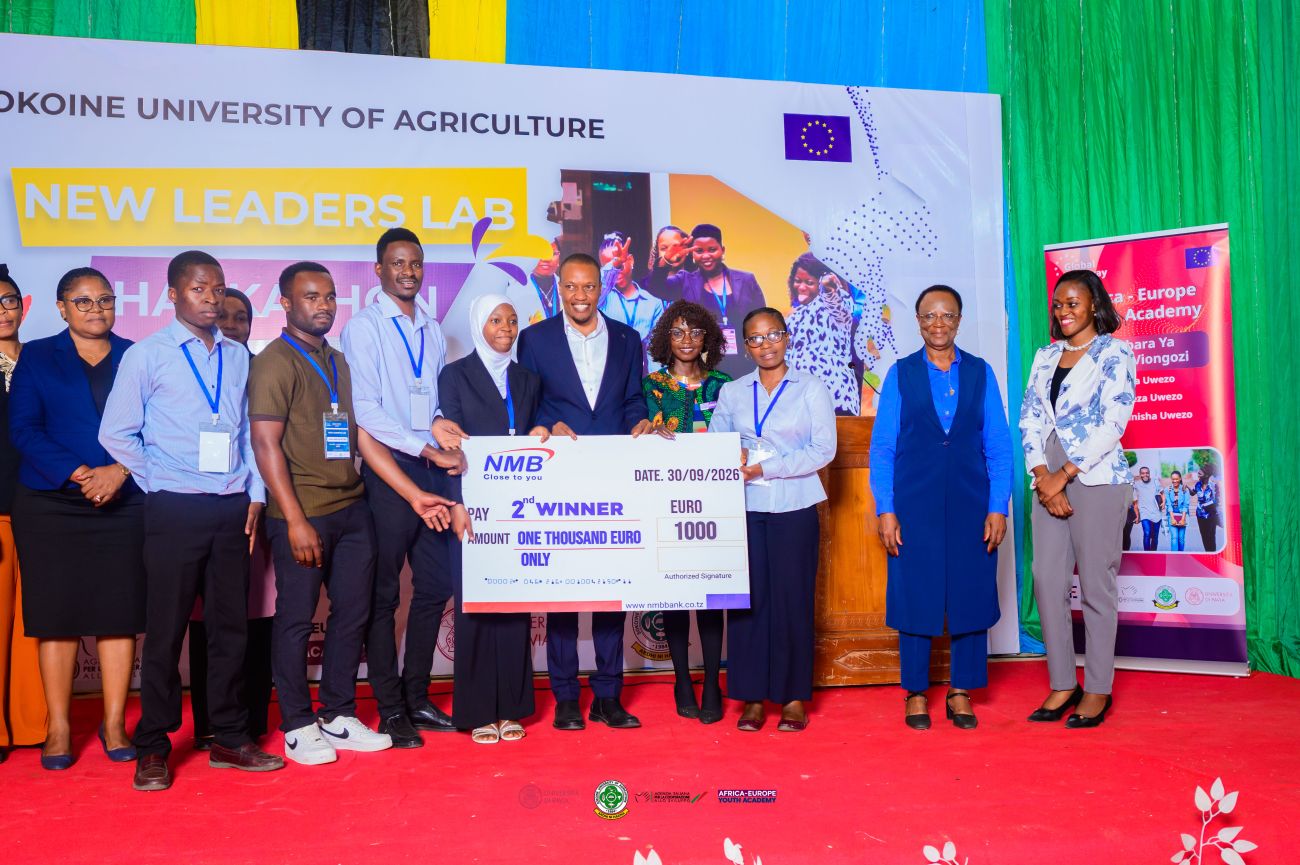
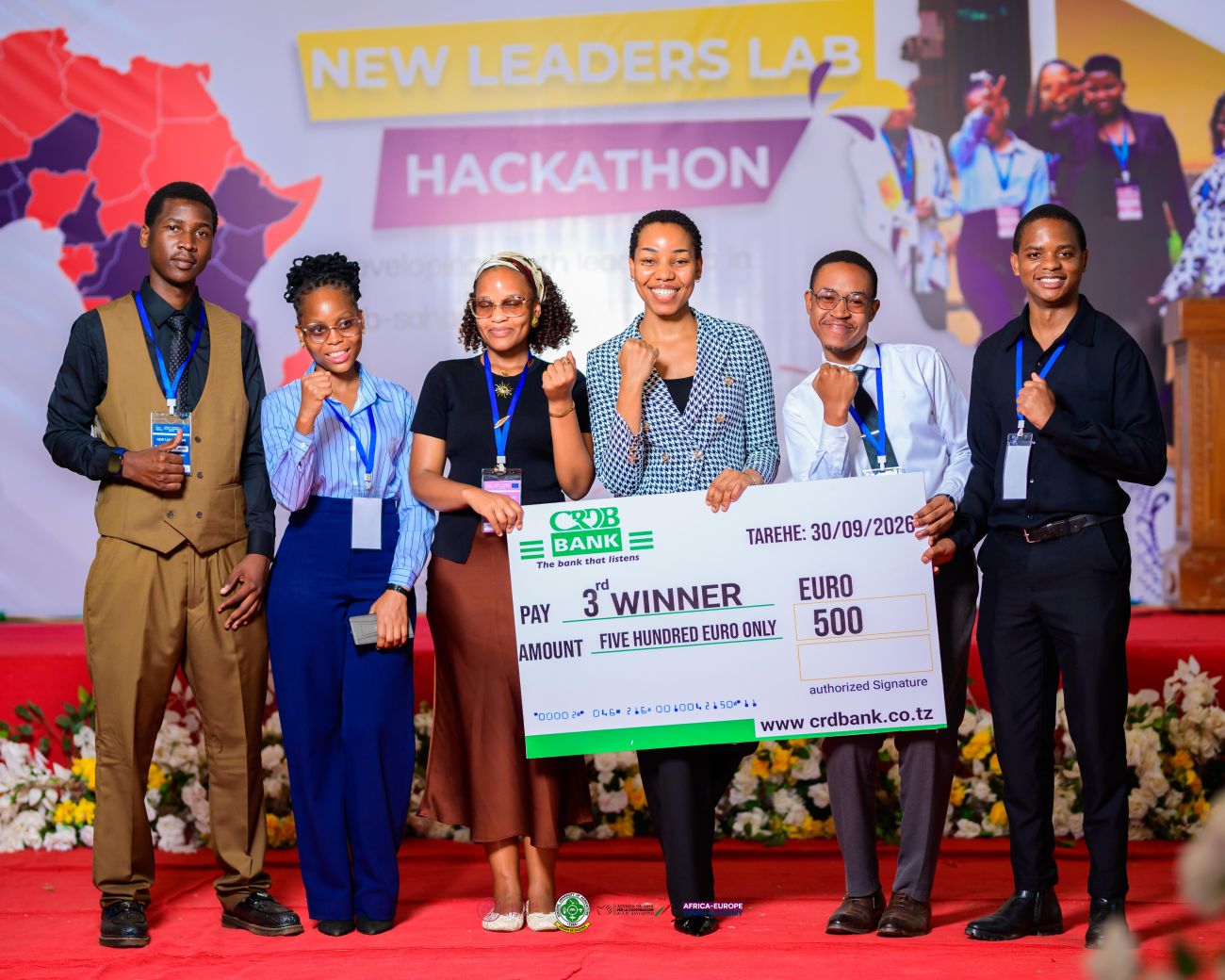
Inaugurata con l’intervento online della prof.ssa Carola Ricci, Delegata del Rettore alla Cooperazione internazionale e all’Africa, la formazione è culminata con una hackathon, competizione intensiva in cui i partecipanti, divisi in gruppi, hanno lavorato per tre giornate alla soluzione di problemi concreti inerenti al contesto locale. Supportati da tutor provenienti da ONG e istituzioni accademiche, i partecipanti hanno elaborato e presentato le proprie idee, mettendo in pratica le competenze acquisite durante il percorso formativo. I progetti risultati vincitori hanno ricevuto un premio simbolico in denaro, a riconoscimento delle soluzioni proposte e del lavoro svolto durante l’hackathon. Questa prima fase sarà seguita da sessioni di mentoring online a cura dello European university institute di Firenze, per supportare i ragazzi nello sviluppo delle singole idee progettuali. Un ulteriore modo per creare connessioni tra realtà diverse e favorire l’incontro tra culture attraverso la conoscenza e la collaborazione. Come ricorda lo slogan di AEYA: “Dove i giovani si incontrano, si inventa il futuro”.
Le sei squadre hanno presentato soluzioni per affrontare una sfida chiave del sistema alimentare al mercato di Mawenzi, quello degli sprechi e della gestione dei rifiuti. Tre le premiate: «Il gruppo “BioNova” - spiega Innocent Sanga - si è aggiudicato il primo posto presentando un'innovazione chiamata Bioseal, un rivestimento applicabile a frutta e verdura per proteggerne la freschezza e rallentare il deterioramento, mantenendo la qualità e riducendo le perdite post-raccolta. Al secondo posto, il gruppo “Ecoforge” ha presentato Eco-enzyme, pensata per trasformare le bucce di frutta e verdura in un detergente naturale e in un ammendante per il terreno. Infine, “Mavuno Safe” ha conquistato il terzo posto con Eco-Pectin Shield, un rivestimento commestibile naturale ricavato da bucce di frutta scartate, utilizzabile per ricoprire frutti come avocado e arance, oltre a ortaggi come pomodori e amaranto».
Kickoff in Kenia e prossime tappe
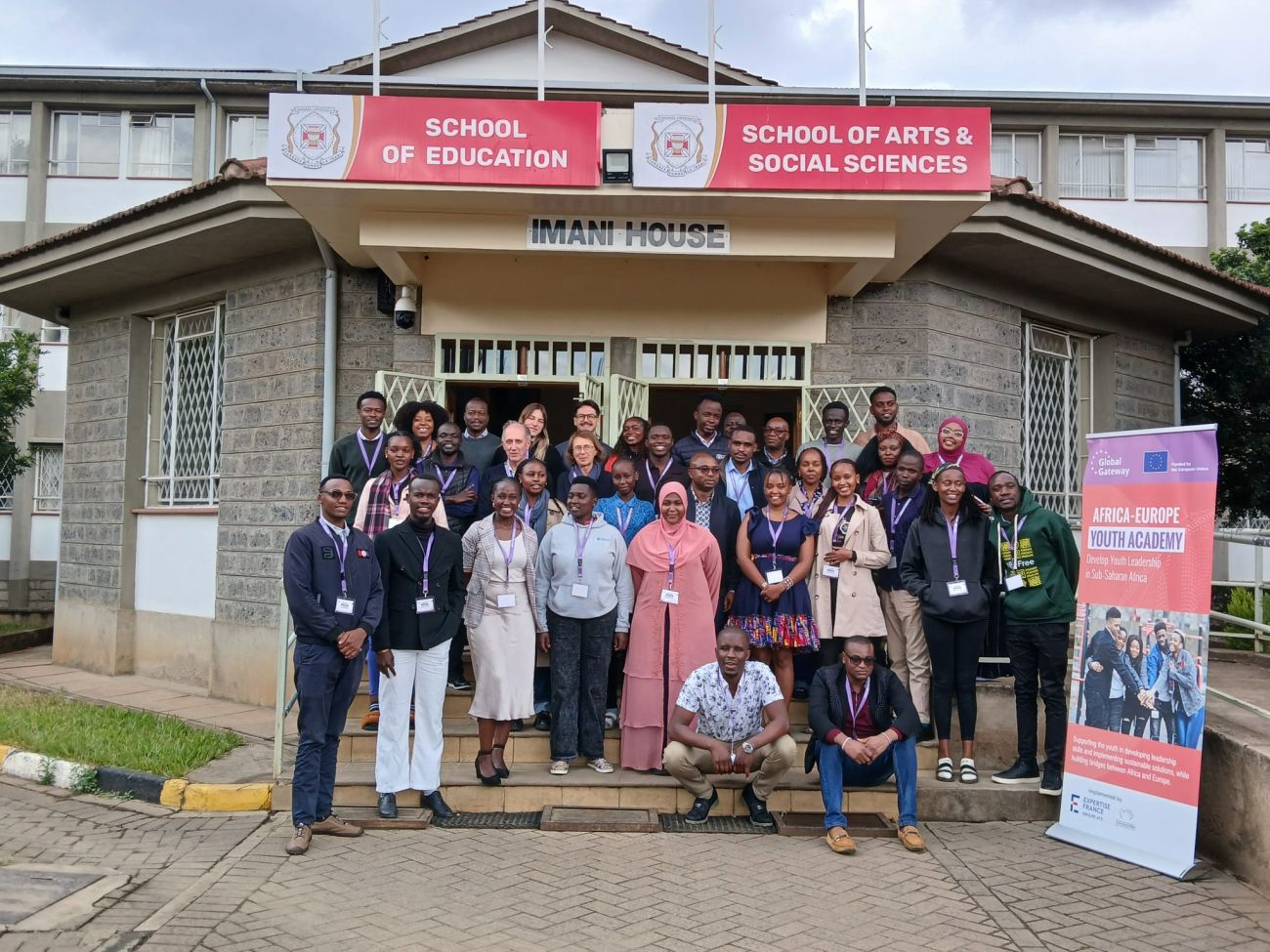
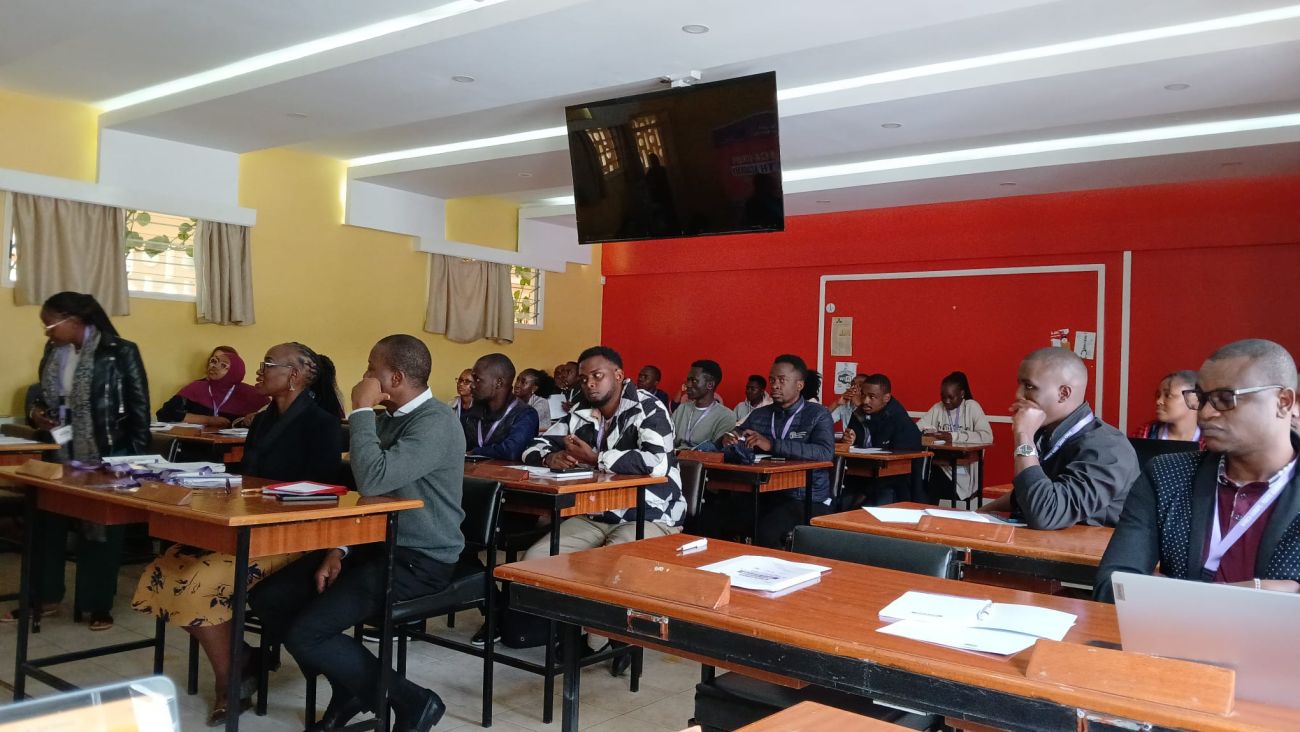
Dopo la Tanzania è stato il turno del Kenya, con l’avvio del New Leaders Lab presso la Tangaza University. In questo caso, la formazione è stata condotta dai proff. Enrica Chiappero e Graziano Rossi e dai dottorandi Andrea Giacomelli, Sara Boussetta e Ilaria Zambon, con il supporto dei colleghi kenioti Fratel Christophe Blawo Yata, Bernard Alagbe Domara (direttore dell’Institute for Social Transformation) e Jacob Jeketule Soko. Anche in Kenya il percorso culminerà con una hackathon in programma a fine novembre, durante la quale i partecipanti saranno chiamati a mettere in pratica le competenze acquisite attraverso il lavoro su problemi e soluzioni concrete. Nel mese di novembre, un nuovo team di docenti e staff dell’Università di Pavia raggiungerà l’Uganda per inaugurare il terzo New Leaders Lab.
Africa-Europe Youth Academy launches to train young African leaders.
Tanzania wraps up the first New Leaders Lab with the hackathon,
Kenya, Uganda and Ethiopia next.
Autumn 2026 marks the start of the Africa-Europe Youth Academy, a European Union-funded initiative with a budget of €15 million to support the training, leadership and entrepreneurship of young people aged 18 to 30 in around 20 Sub-Saharan African countries. Implemented by Expertise France as lead partner, in partnership with the Italian Agency for Development Cooperation (AICS), with the support of the University of Pavia through GLOBEC (Center for Global Strategic Engagement), the University of Turin and the European University Institute, the initiative aims to involve over a thousand young leaders from twenty African countries, offering them skills, opportunities and networks to build their own future and strengthen the ties between Africa and Europe. The University of Pavia leads the consortium for East Africa, which includes Ethiopia, Kenya, Uganda and Tanzania.
The official launch of the first New Leaders Lab took place in September, hosted by Sokoine University of Agriculture. A delegation from the University of Pavia travelled to Tanzania to take part in the training, with Profs. Enrica Chiappero and Simone Orsenigo, PhD students Giacomo Baldesi and Ilaria Zambon. The programme involved a cohort of 30 young people, selected from over 300 applicants, on the themes of leadership and sustainable development. Alongside them were their Tanzanian colleagues Innocent Sanga, Agness Charles Kandonga and Prof. Joyce Kinabo, who provided important support for the teaching activities.
Tanzania: Firts New Leaders Lab and Hackathon
Opened with an online speech by Prof. Carola Ricci, the Rector's Delegate for International Cooperation and Africa, the training culminated in a hackathon: an intensive competition in which participants, divided into groups, spent three days working on solutions to real-world problems. Supported by tutors from NGOs, institutional representatives and faculty members, the participants developed and presented their ideas, putting into practice the skills acquired during the training programme. The winning projects received a symbolic cash prize in recognition of the solutions proposed and the work carried out during the hackathon. This first phase will be followed by online mentoring sessions run by the European University Institute in Florence, to support the participants in developing their individual project ideas. It is a further way to create connections between different realities and foster encounters between cultures through knowledge and collaboration. As the AEYA slogan reminds us: "Where young people meet, futures are invented".
The six teams presented solutions to a key food system challenge at the Mawenzi market: the one of food waste and waste management. Three were awarded prizes: "The 'BioNova' team - explains Innocent Sanga - won first place with an innovation called Bioseal, a coating that can be applied to fruit and vegetables to protect their freshness and slow spoilage, maintaining quality and reducing post-harvest losses. In second place, the 'Ecoforge' team presented the Eco-enzyme initiative, which turns fruit and vegetable peels into a natural cleaning product and a soil conditioner. Finally, 'Mavuno Safe' took third place with its innovative idea, Eco-Pectin Shield, a natural edible coating made from discarded fruit peels, which can be used to coat fruits such as avocados and oranges, as well as vegetables such as tomatoes and amaranth."
Kickoff in Kenya and Next Steps
After Tanzania, it was Kenya's turn, with the opening of the New Leaders Lab at Tangaza University. Here, the training was led by Profs. Enrica Chiappero and Graziano Rossi and PhD students Andrea Giacomelli, Sara Boussetta and Ilaria Zambon, with the support of their Kenyan colleagues Brother Christophe Blawo Yata, Bernard Alagbe Domara (Director of the Institute for Social Transformation) and Jacob Jeketule Soko. In the country, more than 1200 young leaders applied to participate in the New Leaders Lab. In Kenya too, the programme will culminate in a hackathon, scheduled for the end of November, during which participants will be asked to put the skills they have acquired into practice by working on real-world problems and solutions. In November, a new team of faculty and staff from the University of Pavia will travel to Uganda to inaugurate the third New Leaders Lab.