


All’Università di Pavia l'assemblea del progetto Horizon «ProtAct-Us» sulle conseguenze fisiche e mentali degli incidenti stradali
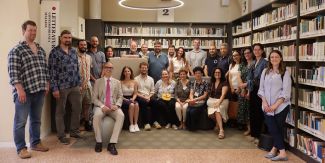
(English below) Si è conclusa con successo la General Assembly del progetto europeo “ProtAct-Us from long-term consequences of road crashes”, tenutasi il 9 e il 10 giugno 2'026 all’Università di Pavia.
Vincitore del finanziamento HORIZON-CL5-2023-D6-01-12: New ways of reducing serious injuries and the long-term consequences of road crashes e sostenuto dall’Organizzazione Mondiale della Sanità, il progetto ProtAct-Us è finalizzato a indagare le conseguenze a lungo termine sulla salute fisica e mentale degli individui coinvolti in incidenti stradali.
L’Università di Pavia, unico centro partecipante italiano, è rappresentata dal gruppo di ricerca dell’Unità di Biostatistica del Dipartimento di Sanità Pubblica, Medicina Sperimentale e Forense, composto dalle dottoresse Ottavia Ferraro, Anna Morandi, Manuela Anelli e Vittoria Ercoli e coordinato dalla professoressa Cristina Montomoli.
La General Assembly ha riunito i rappresentanti di università e centri di ricerca partecipanti al progetto provenienti da vari Paesi europei – Austria, Germania, Francia, Belgio, Grecia, Spagna e Portogallo –, che nella cornice dell’Aula Bottigella di Palazzo San Tommaso hanno fatto il punto sull’avanzamento del progetto, discusso i risultati finora ottenuti e fissato obiettivi per le ricerche future, nell’ottica di sviluppare efficaci strategie di prevenzione degli effetti a lungo termine sulla salute a seguito degli incidenti su strada.
In occasione dell’evento i partecipanti hanno avuto l’opportunità di incontrare il Rettore, che nei locali della Biblioteca di Studi Umanistici ha portato il suo saluto dando avvio ai lavori; di ammirare la storica Aula Scarpa e i cortili della sede centrale dell’Università e di visitare le piazze del centro storico e la chiesa di San Teodoro.
L’incontro ha così rappresentato un’importante occasione di confronto scientifico tra i partner del consorzio, così come un momento di conoscenza e condivisione del patrimonio storico, artistico e culturale della città di Pavia e del suo Ateneo. L’integrazione tra attività scientifiche e momenti dedicati alla scoperta del contesto culturale locale ha reso la General Assembly un’esperienza particolarmente proficua per tutti i partecipanti, rafforzandone ulteriormente i rapporti di collaborazione internazionale, uno dei punti di forza del progetto ProtAct-Us.

***
The University of Pavia hosts the General Assembly of the European ProtAct-Us project on the long-term consequences of road crashes
The General Assembly of the European project “ProtAct-Us from Long-Term Consequences of Road Crashes”, held on 9 and 10 June at the University of Pavia, concluded successfully.
Funded under the HORIZON-CL5-2023-D6-01-12 call, New ways of reducing serious injuries and the long-term consequences of road crashes, and supported by the World Health Organization, the ProtAct-Us project aims to investigate the long-term physical and mental health consequences experienced by individuals involved in road traffic crashes.
The University of Pavia, the only Italian institution participating in the consortium, is represented by the research group of the Biostatistics Unit within the Department of Public Health, Experimental and Forensic Medicine, including Doctors Ottavia Ferraro, Anna Morandi, Manuela Anelli, and Vittoria Ercoli and coordinated by Professor Cristina Montomoli.
The General Assembly brought together representatives from the universities and research centres involved in the project from several European countries – Austria, Germany, France, Belgium, Greece, Spain, and Portugal. Hosted in the Aula Bottigella at Palazzo San Tommaso, participants reviewed the project’s progress, discussed the results achieved so far, and defined objectives for future research activities aimed at developing effective strategies to prevent the long-term health consequences of road traffic crashes.
During the event, participants had the opportunity to meet the Rector of the University of Pavia, who officially opened the proceedings with a welcome address delivered at the Humanities Library. They also visited the historic Aula Scarpa and the courtyards of the University’s main campus, as well as several landmarks in Pavia’s historic city centre, including the Church of San Teodoro.
The meeting provided an important opportunity for scientific exchange among consortium partners, while also allowing participants to discover and share in the historical, artistic, and cultural heritage of both the city of Pavia and its University. The integration of scientific activities with opportunities to explore the local cultural context made the General Assembly a particularly rewarding experience for all participants, further strengthening the international collaborations that underpin the ProtAct-Us project.